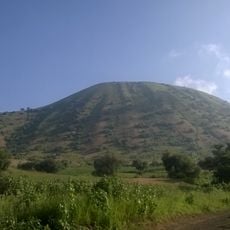
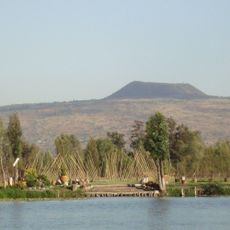
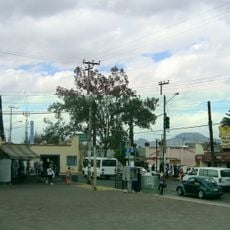
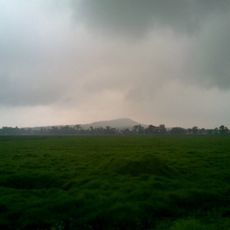
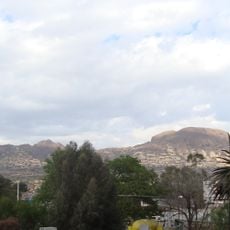
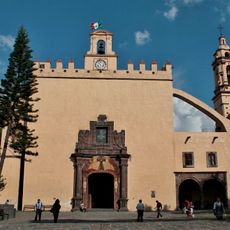
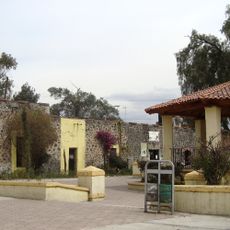
Lake Chalco, Former endorheic lake in Valley of Mexico region, Mexico.
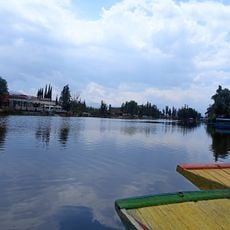
Lake Chalco was a freshwater lake in the Valley of Mexico, fed by artesian springs along its south shore. Its western limit was the island of Cuitlahuac, now Tláhuac, where Lake Xochimilco began. The lake is now almost completely drained; the only remaining flooded portion is the Tláhuac wetlands.
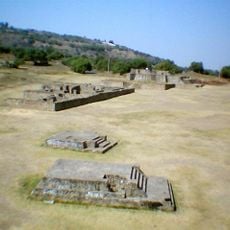
Around 500 BC the Chalco shore was the Basin of Mexico's most densely settled area, with about 21,810 inhabitants at 109.1 people per hectare. After 1400 AD the Aztec Triple Alliance under Itzcoatl conquered the southern lakes to expand chinampa farming and feed Tenochtitlan. Drainage began in the Aztec era and continued into the 20th century; in the late 1860s a land speculator's draining triggered the Julio López Chávez campesino revolt, put down by federal troops.
The lake held deep meaning for Aztec people as a source of food and fresh water for their communities. Local families historically depended on its waters and the surrounding land for their daily lives.
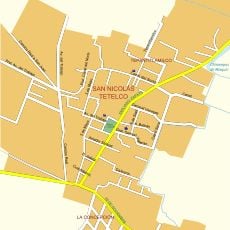
The lake itself is gone: its bed now lies under the built-up area of Chalco and Valle de Chalco Solidaridad, east of Mexico City. The only part still holding water is the Tláhuac wetlands, at the former lake's western limit, where the island of Cuitlahuac once separated it from Lake Xochimilco. Reach the area by road from Mexico City; expect drained, urban ground rather than a shoreline.
The area still shows traces of an irrigation system built hundreds of years ago for growing crops in water. These old structures remain partially visible and demonstrate the engineering skill of ancient societies.
The community of curious travelers
AroundUs brings together thousands of curated places, local tips, and hidden gems, enriched daily by 94,535 contributors worldwide.