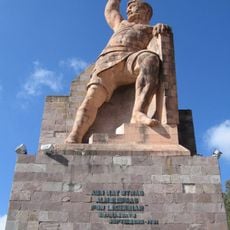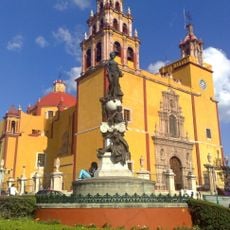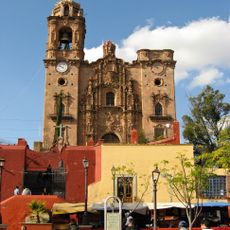
Guanajuato City, Colonial capital in central Mexico.
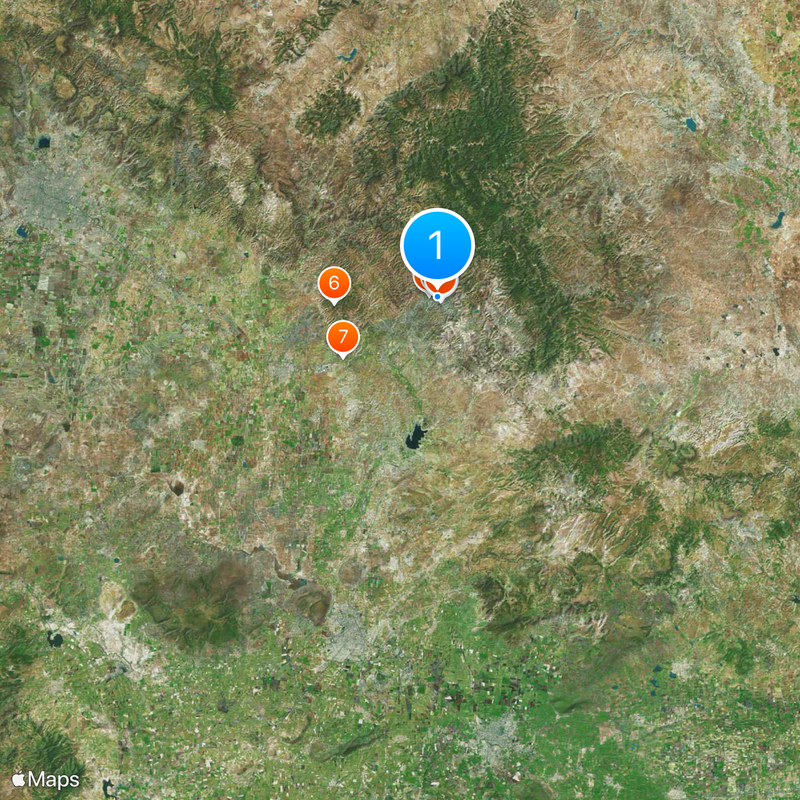
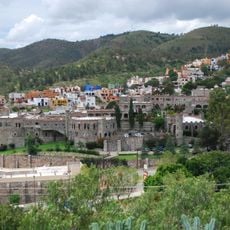
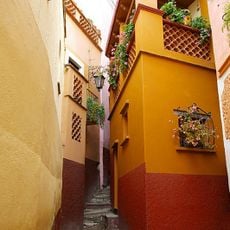
Guanajuato City is a colonial capital in central Mexico that spreads over steep slopes at the meeting point of three ravines. Narrow streets wind between buildings, while underground tunnels run through the mountainous terrain at 2045 meters above sea level.
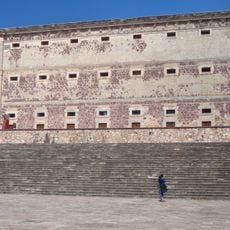
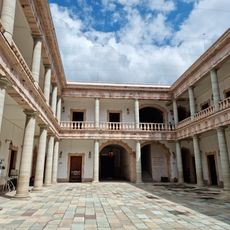
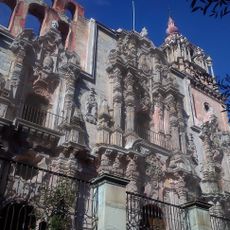
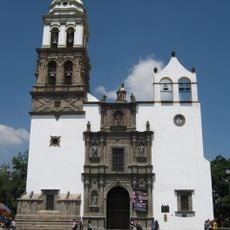
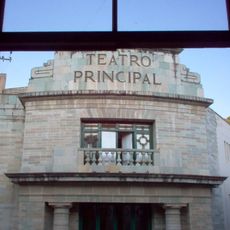
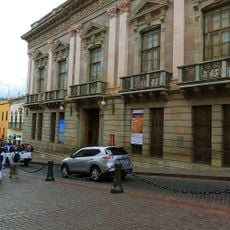
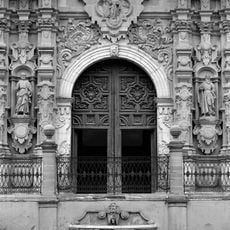
The settlement began in 1554 as a mining site for silver extraction and grew into one of the three largest silver producers worldwide. The wealth from the mines funded the construction of colonial architecture that remains today.
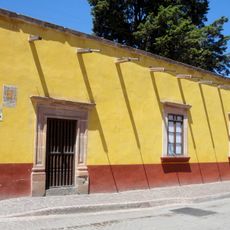
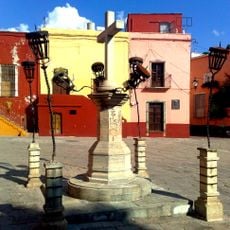
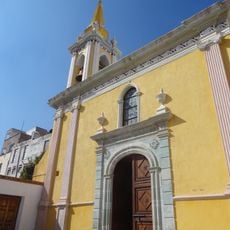
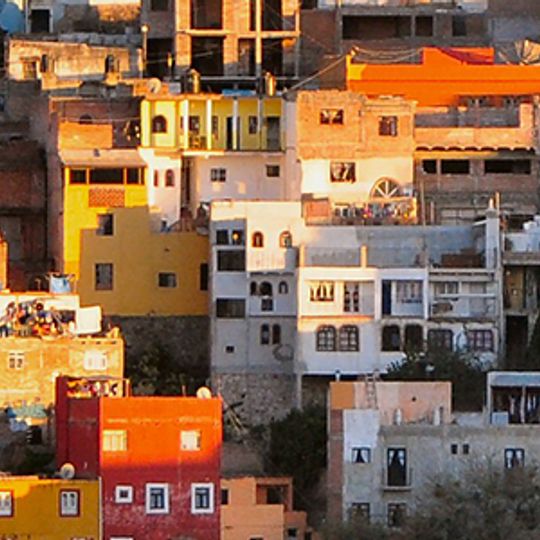
The name comes from the Purépecha word "Kuanasï juáta," meaning "place of frogs," recalling the wetland landscape before settlement. Today the hillside houses painted in bright colors shape the view, and residents gather in small plazas for conversation in the evening.
The tunnel passages below the historic center were originally built for flood control and now form a transport system for pedestrians and vehicles. The routes pass through lit sections that make crossing the town easier and offer shortcuts between the steep slopes.
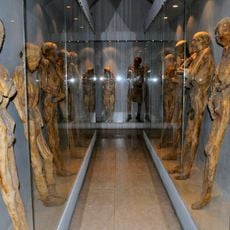
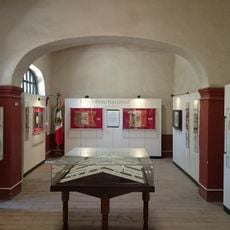
The Mummy Museum displays naturally preserved bodies from the local cemetery, offering insights into burial practices of the 19th century. The dry air and mineral-rich soils of the region contributed to preservation, allowing researchers to study details about clothing and living conditions.
The community of curious travelers
AroundUs brings together thousands of curated places, local tips, and hidden gems, enriched daily by 90,989 contributors worldwide.