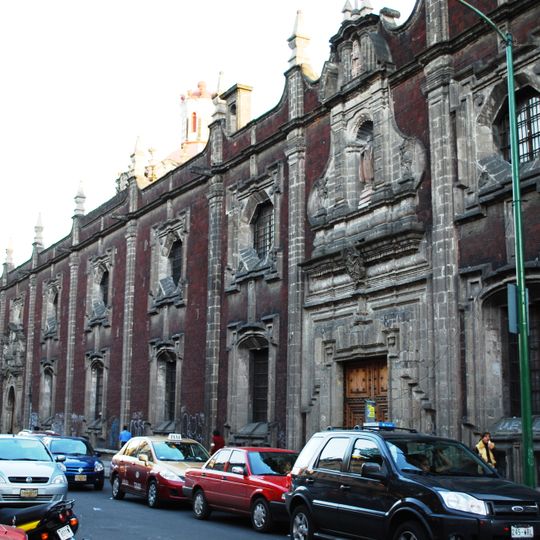
Colegio de San Ignacio de Loyola Vizcaínas, Educational institution in Mexico City, Mexico
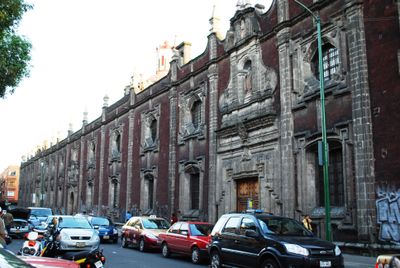
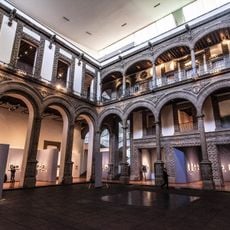
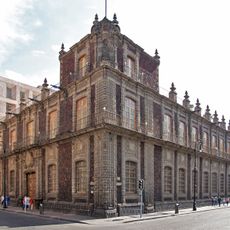
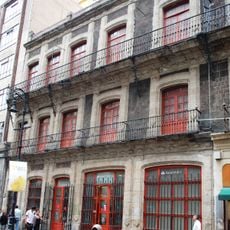
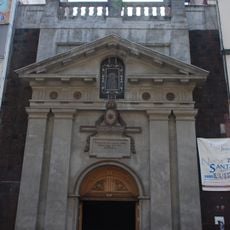
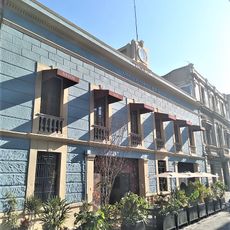
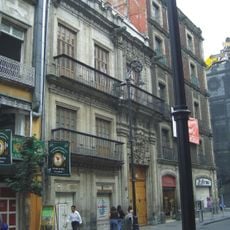
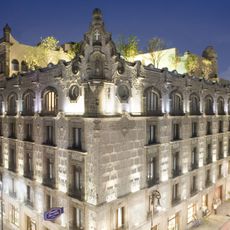
The Colegio de San Ignacio de Loyola Vizcaínas is a religious school in the historic center of Mexico City that has operated since the 18th century and now serves students from preschool through high school. The building spans an entire city block with dark stone walls and baroque architectural details including pilasters and ornamental spires that define its character.
The school was founded in 1732 by the Cofradía Nuestra Señora de Aránzazu, a brotherhood of Basque merchants from Spanish regions including Guipúzcoa and Navarra, to protect orphaned girls and vulnerable women. The original design by architect Pedro Bueno Basori was completed by Miguel José de Rivera after Bueno's death.
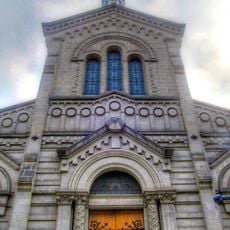
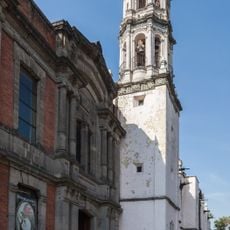
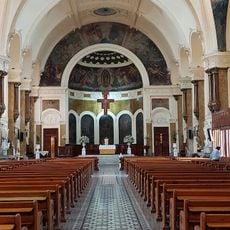
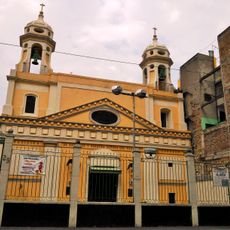
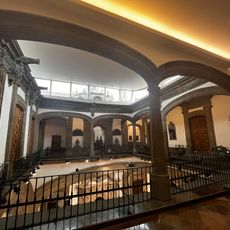
The school was originally founded as a sanctuary for orphaned girls and widows in the 18th century, and this community-focused identity remains visible today. Religious ceremonies and gatherings still take place here, connecting students to their faith while serving as a gathering space for the neighborhood.
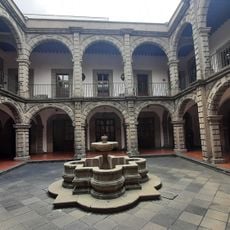
The building does not open regularly for tourist visits but can be rented for private events such as weddings, concerts, and corporate gatherings. The expansive central courtyard accommodates up to 1,200 people, while a small chapel holds approximately 350 guests.
The school's archives were recognized by UNESCO as Memory of the World for preserving valuable documents about the history of female education in Mexico during the colonial period and beyond. Notably, Josefa Ortiz de Domínguez, a key figure in Mexico's independence struggle, studied here.
The community of curious travelers
AroundUs brings together thousands of curated places, local tips, and hidden gems, enriched daily by 92,374 contributors worldwide.