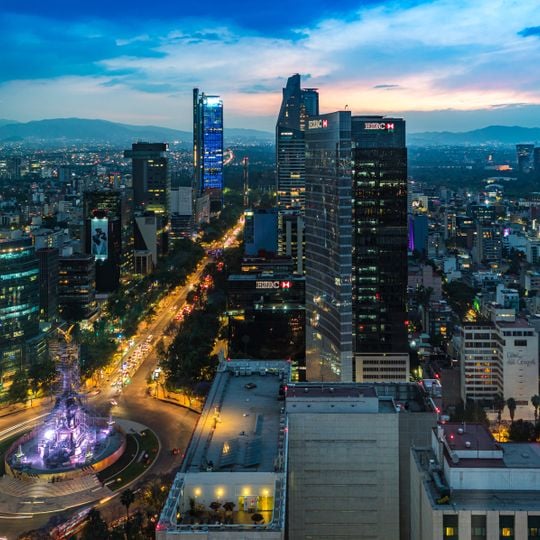
Greater Mexico City, Metropolitan area in Valley of Mexico, Mexico
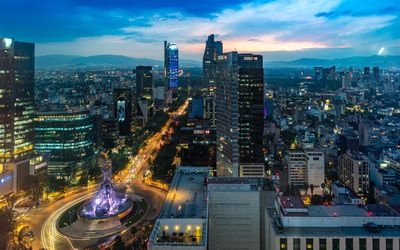
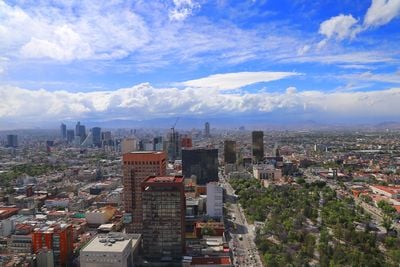
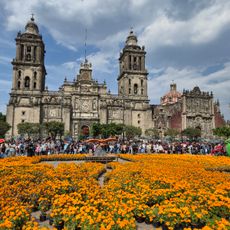
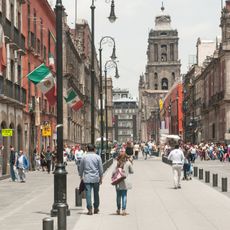
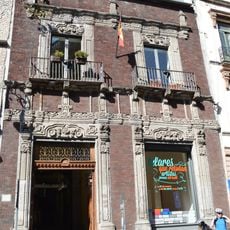
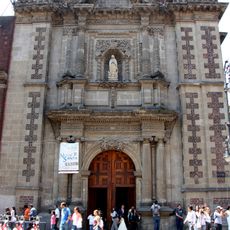
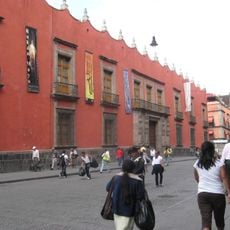
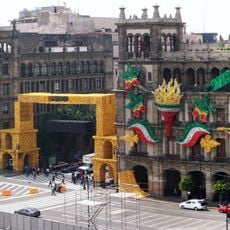
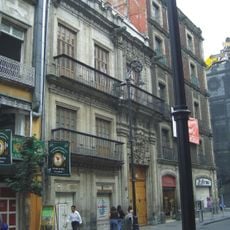
Greater Mexico City extends across the entire Valley of Mexico and includes the capital along with dozens of surrounding municipalities in three states. The built-up area reaches from the volcanic slopes in the south to the dry plains in the north, connecting historic centers with modern residential and industrial zones.
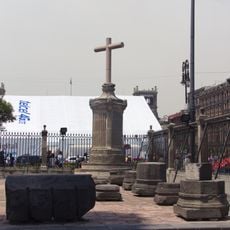
The Aztec city of Tenochtitlan was founded on islands in Lake Texcoco and became the capital of the viceroyalty after the Spanish conquest in 1521. Rapid growth began in the 1940s and peaked in the following decades as industry drew millions from across the country.
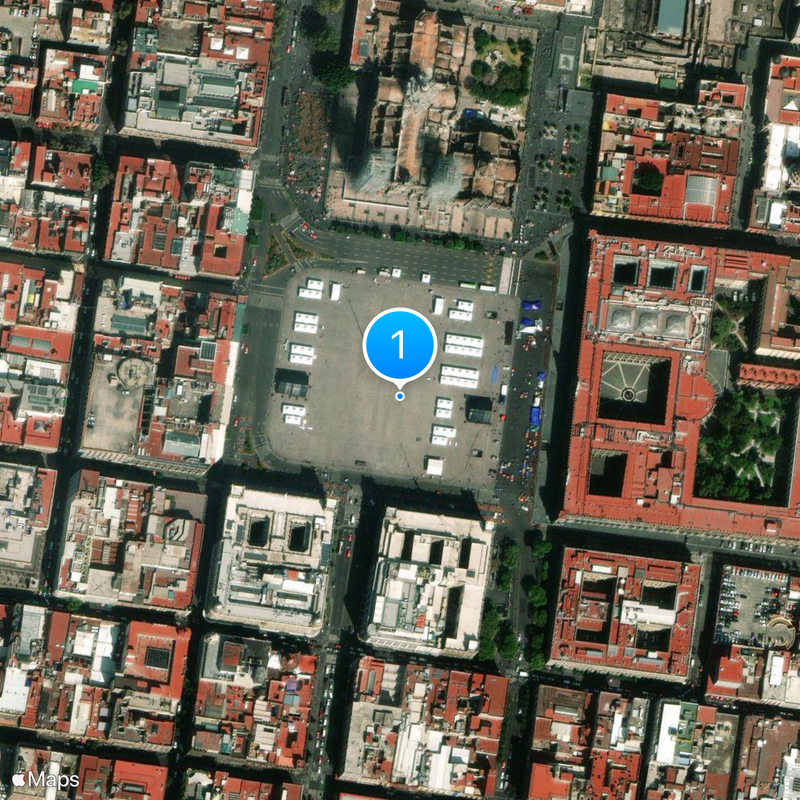
The capital sits on the bed of a former lake and many streets still follow the paths of ancient Aztec causeways and canals from Tenochtitlan. Residents often speak of the different delegations and municipalities as distinct neighborhoods with their own character and traditions.
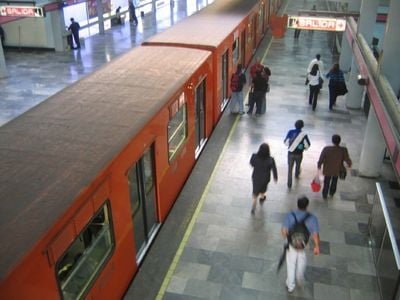
Getting around within the region often requires a combination of metro, bus, and shared vans as distances can be considerable. On days with high pollution levels, vehicle restrictions based on license plate numbers apply to both locals and visitors.
The region sits more than 2,200 meters (7,200 feet) above sea level, which makes the air thinner and shortens breath during physical effort. The wide plains were once covered by five interconnected lakes, the last remnant of which can still be seen today in Xochimilco.
The community of curious travelers
AroundUs brings together thousands of curated places, local tips, and hidden gems, enriched daily by 90,755 contributors worldwide.