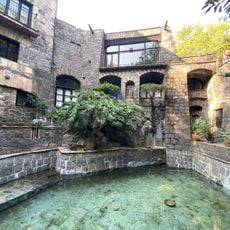
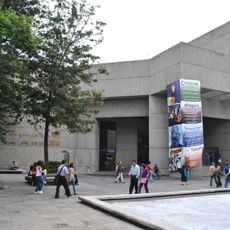
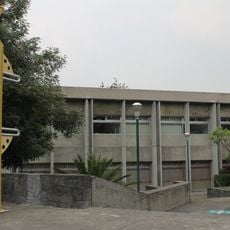
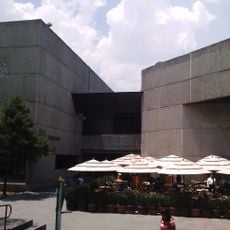
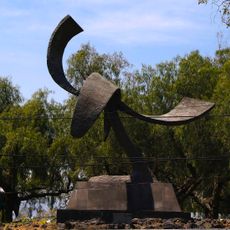
Copilco, Archaeological site in Coyoacán, Mexico City, Mexico.
Copilco is an archaeological site in the southwestern part of Mexico City, featuring excavated burial grounds, stone pavements, and clay artifacts. The remains lie beneath layers of volcanic rock that sealed the site after a major eruption.
The settlement was occupied between around 500 BCE and 100 CE, when volcanic eruptions from Xitle buried the area under lava. That sudden event sealed the site and kept its remains intact for centuries.
Copilco was a farming community whose people grew maize and gathered food from the surrounding forests and waterways. The clay objects found on site give visitors a direct sense of how ordinary daily life looked at the time.
The site sits in the southwestern part of Mexico City and is most easily reached by public transport or on foot from nearby neighborhoods. Sturdy footwear is a good idea, as parts of the ground can be uneven.
Manuel Gamio uncovered the site in 1917, finding burial pits with pottery and human remains preserved under volcanic ash, in what became one of the earliest formal excavations in Mexico. His work here helped establish the study of pre-Hispanic archaeology in the country.
The community of curious travelers
AroundUs brings together thousands of curated places, local tips, and hidden gems, enriched daily by 91,336 contributors worldwide.