La Joya, Archaeological site in Boca del Río, Mexico
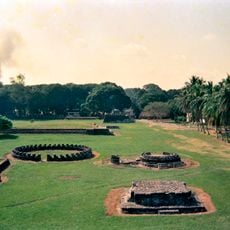
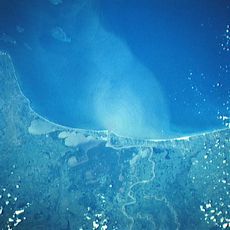
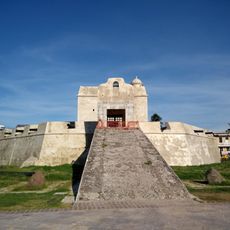
La Joya is an archaeological site near the confluence of the Jamapa and Cotaxtla Rivers in central Veracruz, displaying several earthen structures across the landscape. The main pyramid stands 26 meters tall and features a ball court in its southern section, with additional buildings distributed throughout the grounds.
The site was discovered in 1935 and shows evidence of continuous human occupation from 1200 BCE through the Classical period around 1000 CE. The two-phase construction of the main pyramid reflects important architectural developments during this long span of time.
The local name reflects the area's agricultural value, and today visitors can see how the builders adapted their methods to work with local river clay and seasonal flooding patterns.
The grounds are best accessed during the dry season, as the area becomes wetter during rainy months and trails become harder to traverse. Sturdy footwear is important, and bringing water and sun protection is recommended, as there is little shade or shelter on the site.
The structures were built mainly from packed earth and adobe bricks with a specialized coating that protected them from tropical moisture, making them different from dry-region sites. This building method allowed the structures to survive in one of Mexico's rainiest areas.
The community of curious travelers
AroundUs brings together thousands of curated places, local tips, and hidden gems, enriched daily by 92,310 contributors worldwide.