Lake Bacalar, Freshwater lake near Bacalar, Mexico
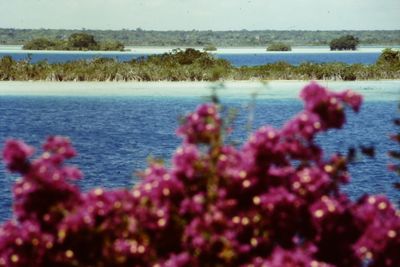
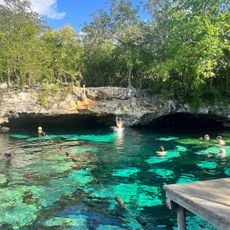
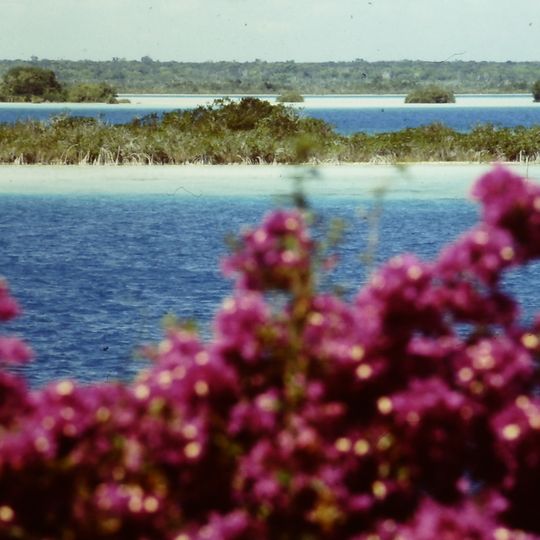
Lake Bacalar is a long, narrow freshwater lake in southern Quintana Roo, about 60 km from north to south and 2 km at its widest. Its blue tones come from a white limestone bottom and varying depths; three cenotes overflowed to form the single lake. It is the second largest freshwater lake in Mexico after Lake Chapala.
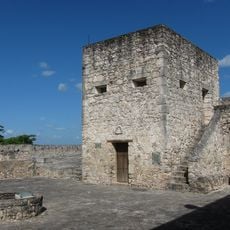
Bacalar is the oldest settlement in Quintana Roo; its name comes from the Maya "Bakhalal", meaning "surrounded by reeds". Spanish colonizers refounded the town and built the Fuerte de San Felipe to defend it against English pirates and rebellious Maya. The lagoon, linked through the Estero de Chac to the Río Hondo and Chetumal Bay, allowed communication and development in southern Quintana Roo.
The name comes from the Maya "Bakhalal", meaning "surrounded by reeds", and the town on the western shore, Bacalar, is the oldest settlement in Quintana Roo. The Spanish refounded it and built the Fuerte de San Felipe to defend against English pirates and rebellious Maya; the fort is now visited as a tourist attraction.
The lake lies 35 km north of Chetumal, beside the town of Bacalar, and is reached by road along its western shore. Its narrow, long shape means the northern and southern ends differ in depth and colour. Some stretches are protected because of the stromatolites, so ask locally before swimming or anchoring in those areas.
The lake holds the world's most extensive freshwater stromatolite system, calcium-carbonate structures dated to between 6,000 and 10,000 years old. They have declined as tourism has grown, so some parts of the water are protected. Mexico's federal environmental agency issued a pollution alert for the lake in November 2015 after illegal dumping and inadequate wastewater treatment.
The community of curious travelers
AroundUs brings together thousands of curated places, local tips, and hidden gems, enriched daily by 94,114 contributors worldwide.