See the monuments around you in AROpen chests in the app
Around Us is built for your phone — point your camera at the streets and discover the monuments and places around you in augmented reality.Around Us is built for your phone — chests unlock when you walk, explore and capture nearby places.
Discover Mexico: sculpture gardens, caves, islands and Mayan ruins
Mexico offers much more than the usual travel spots. This collection includes sculpture gardens, caves, islands, colonial towns, volcanoes, Mayan sites, oases, lakes, and protected areas across the country. You will find mineral pools in Oaxaca, desert landscapes in Sonora, underground caves, car-free islands, and hidden Maya ruins in the jungle. These places show how diverse Mexico is: its striking landforms, its pre-Hispanic roots, and villages where old customs are still alive. From tropical waterfalls to volcanoes that appeared overnight, from white sands to thick forests, each place tells a different story and gives an honest experience far from common tourist routes.
Discover Mexico: sculpture gardens, caves, islands and Mayan ruins
Mexico offers much more than the usual travel spots. This collection includes sculpture gardens, caves, islands, colonial towns, volcanoes, Mayan sites, oases, lakes, and protected areas across the country. You will find mineral pools in Oaxaca, desert landscapes in Sonora, underground caves, car-free islands, and hidden Maya ruins in the jungle. These places show how diverse Mexico is: its striking landforms, its pre-Hispanic roots, and villages where old customs are still alive. From tropical waterfalls to volcanoes that appeared overnight, from white sands to thick forests, each place tells a different story and gives an honest experience far from common tourist routes.
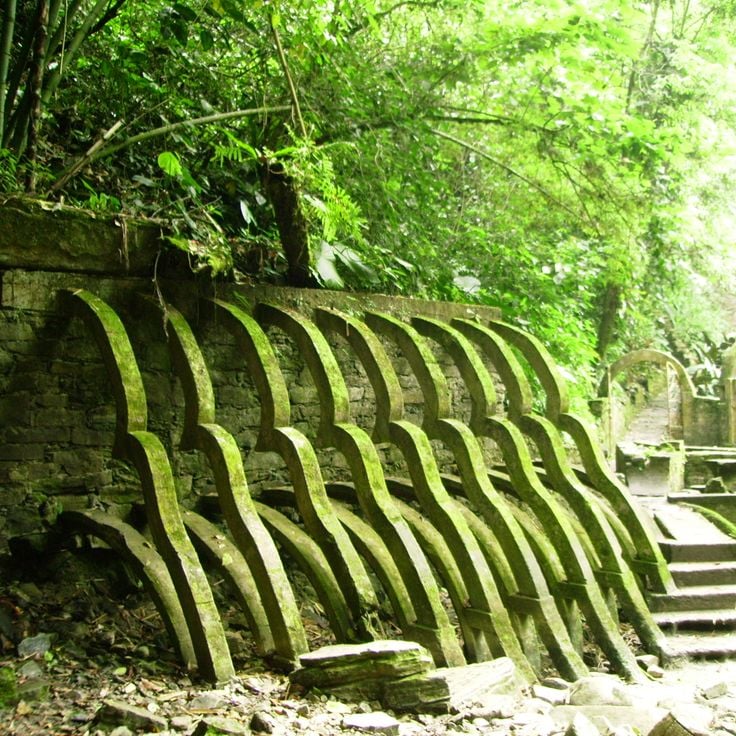
Las Pozas is a garden filled with concrete structures that rise dramatically among waterfalls and tropical plants deep in the jungle. English artist Edward James created this place between 1949 and 1984, building staircases, bridges, and platforms that seem to lead nowhere. The structures feel otherworldly as they blend with flowing water and thick vegetation, like walking through a dream. The garden merges human creation with wild nature, showing how imagination can thrive in untamed places.
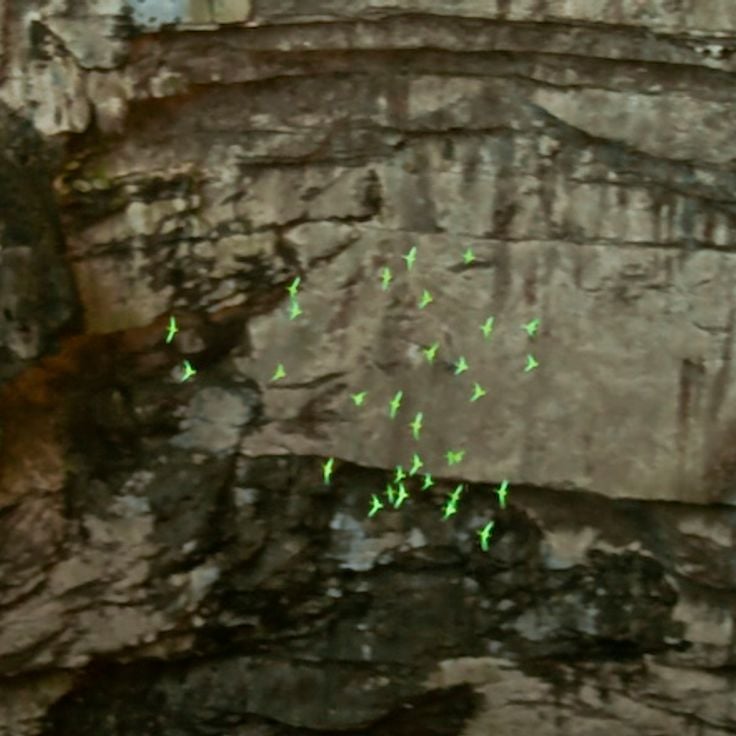
The Swallow Cave in San Luis Potosí is a remarkable limestone sinkhole that plunges more than 370 meters deep into the earth. Thousands of parrots and swifts fly in and out daily, creating an extraordinary natural display, especially at dawn and dusk. This cave illustrates Mexico's geological diversity and offers visitors a rare glimpse into an underground ecosystem in action. The constant movement of birds through the cavern demonstrates how nature adapts to unusual environments, making this location a striking example of the country's natural wonders.
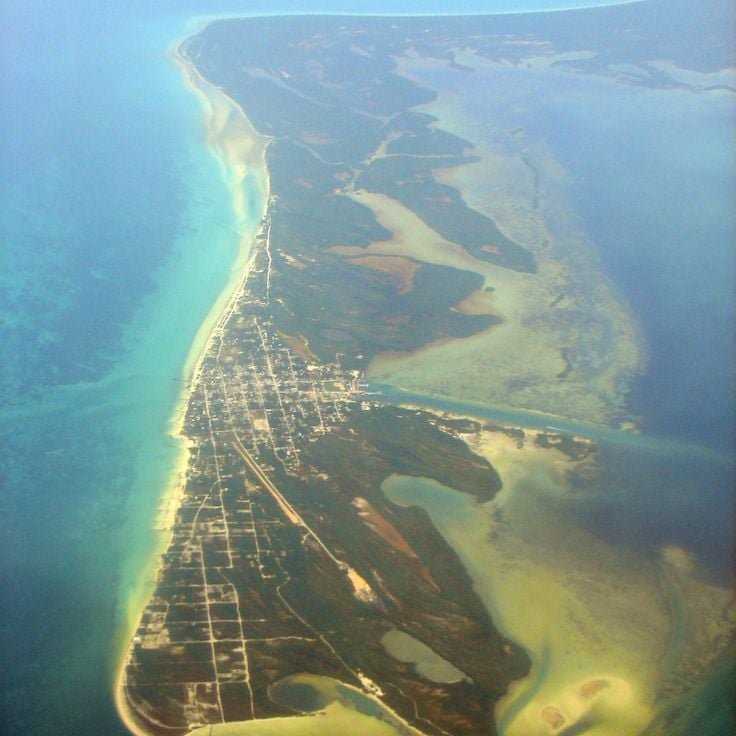
Isla Holbox is a car-free island where sandy paths connect the community and white beaches meet shallow turquoise waters. As part of a collection exploring Mexico's diverse landscapes and natural wonders, this island represents a different kind of experience: a place where life moves at a gentler pace and nature remains undisturbed. Between June and September, whale sharks arrive in the waters around the island, drawing visitors who want to witness these gentle giants in their natural habitat.
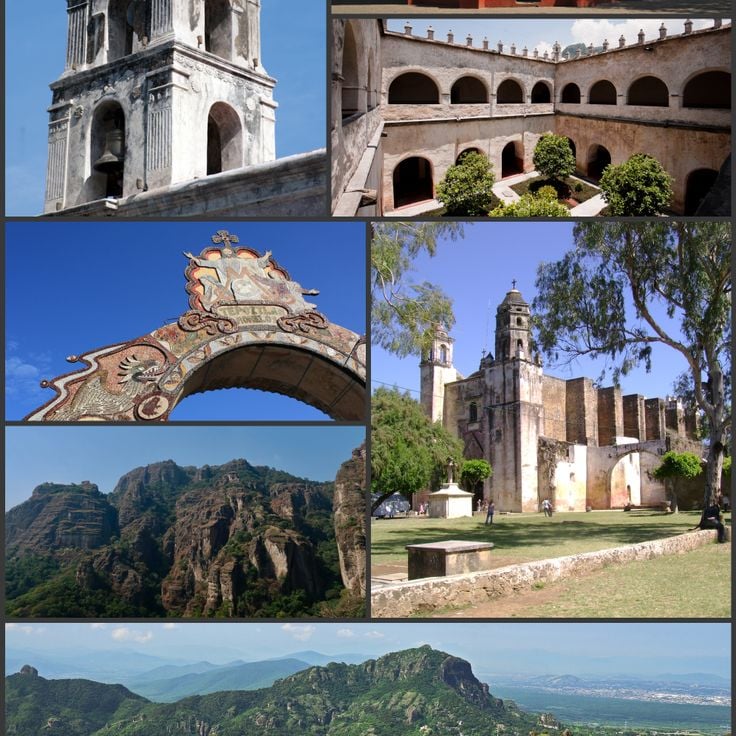
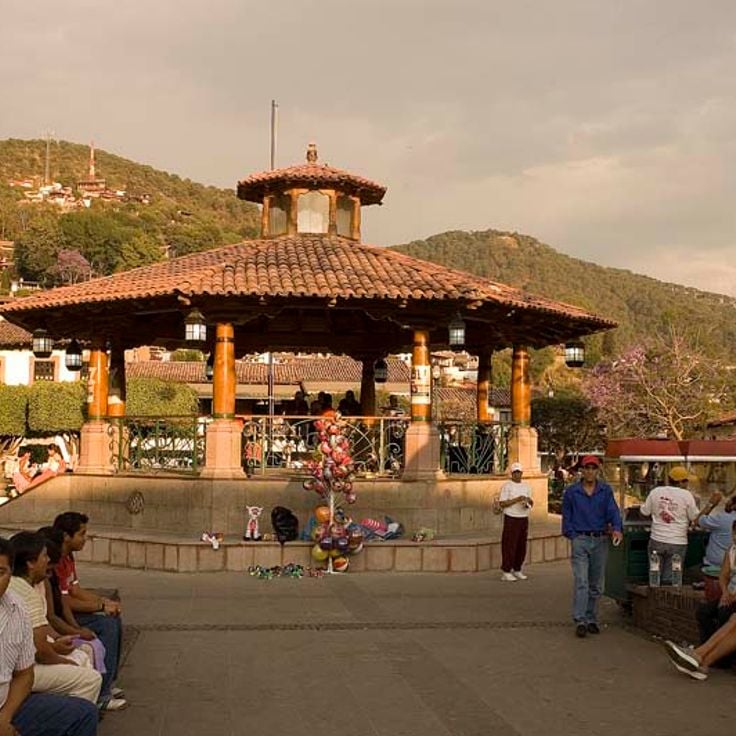
Tepoztlán is a village in Morelos where Mexican traditions are woven into daily life. The settlement sits beneath the Tepozteco mountain, crowned by an ancient Aztec pyramid that can be reached by hiking through the surrounding landscape. Local markets fill the town center with handcrafted goods and traditional foods prepared by residents. Walking through the narrow streets, you encounter colorful buildings and the rhythms of a community that has maintained its ways for generations. This place offers a view of Mexico beyond the typical tourist destinations.
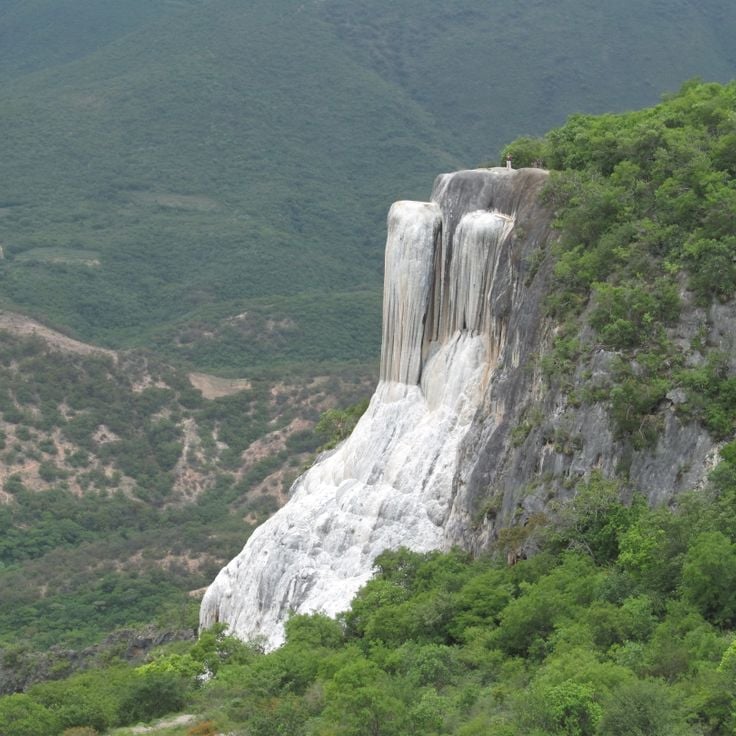
Hierve el Agua features natural pools and cascades formed by mineral-rich limestone deposits. Located at 2000 meters elevation in the mountains of Oaxaca, this site draws water from underground springs that emerge warm and mineral-laden. Over time, these waters have shaped distinctive terraced formations that resemble frozen waterfalls. Visitors can bathe in the natural pools while enjoying views of the surrounding landscape. The site attracts both locals and travelers seeking a different kind of experience.
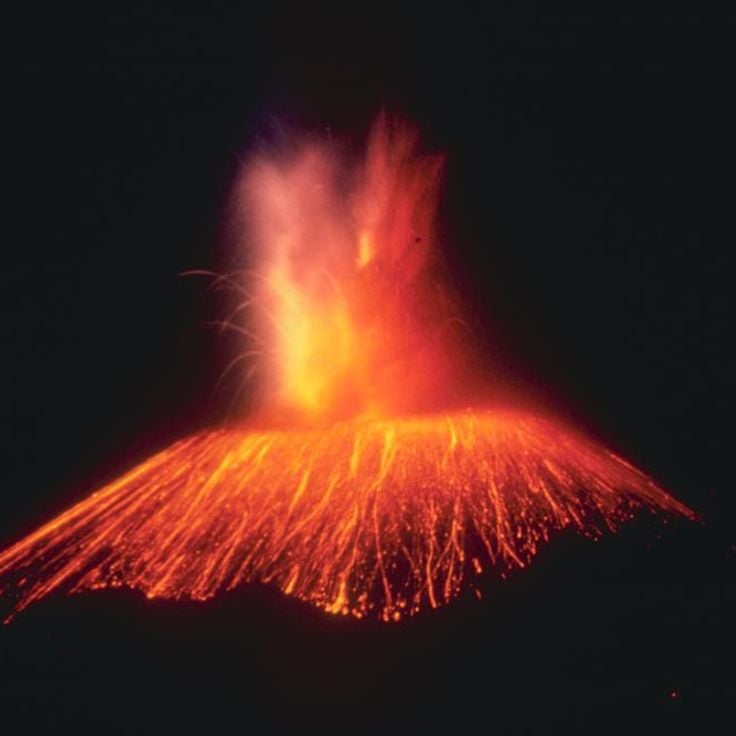
This volcano emerged suddenly in 1943 in a cornfield and has been inactive since 1952. It rises 424 meters above the landscape of Michoacán. The Paricutín shows how the Earth can change in an instant – one day everything was ordinary, the next day a new mountain pushed up from the ground. Today visitors can hike or ride on horseback to the crater and see the land buried by the eruption. Nearby stands the old village of San Juan Parangaricutiro, where the church steeple still rises from the ash.
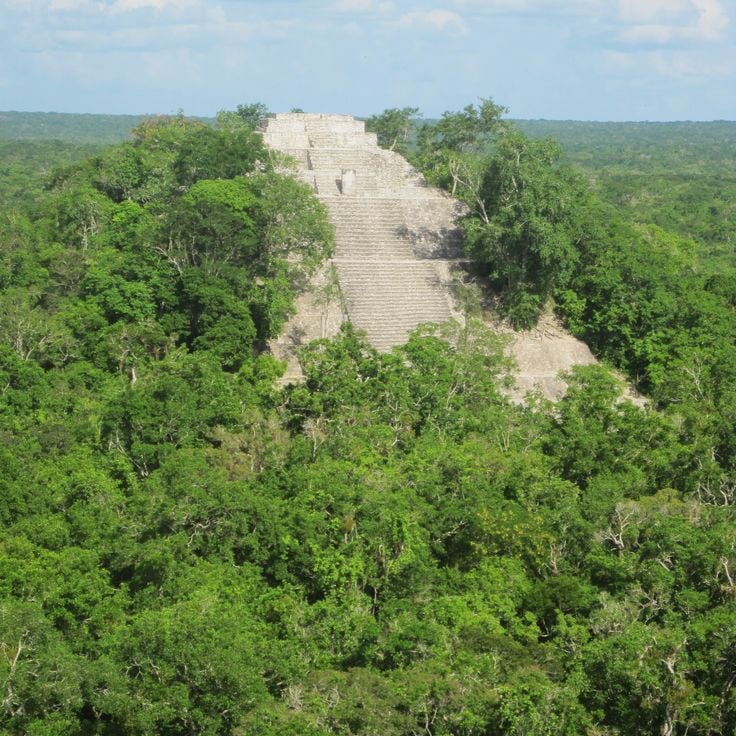
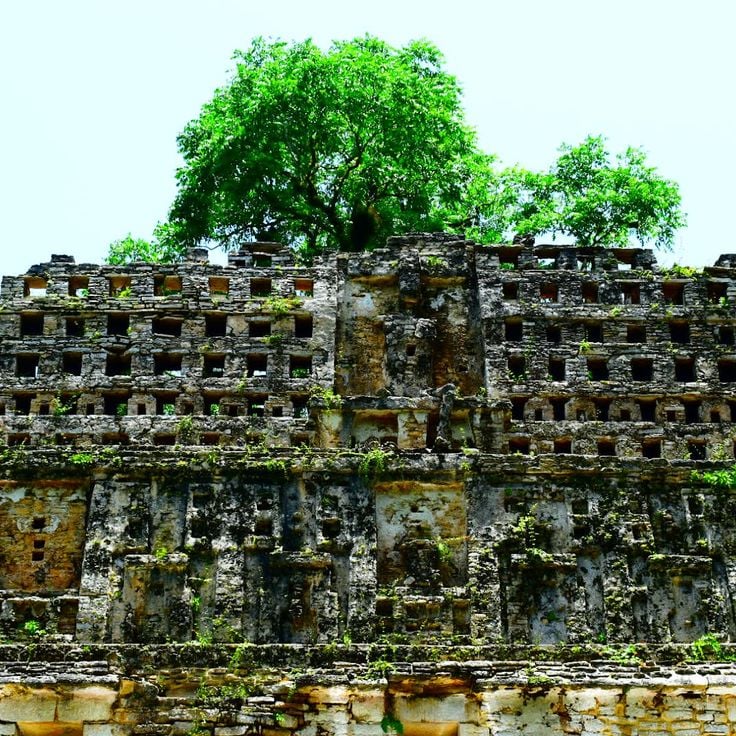
The lost city of Calakmul is one of the largest Maya ruins hidden deep within the jungle of Campeche. Over 6500 structures spread across this vast site, most covered or surrounded by dense forest. Two towering pyramids rise above the canopy, their stone faces still visible after centuries. Walking through Calakmul, you see the scale of what the ancient Maya built and how nature has slowly reclaimed much of it.
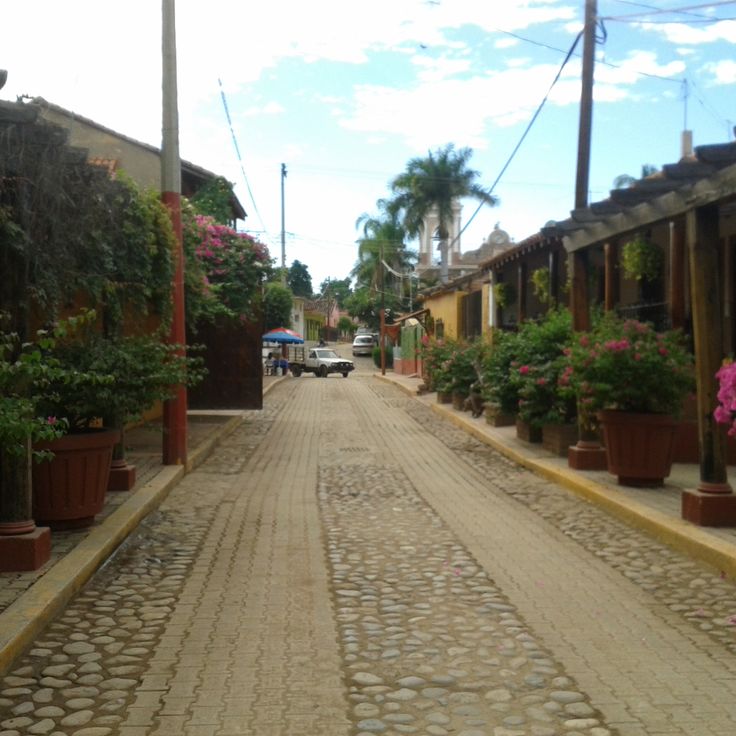
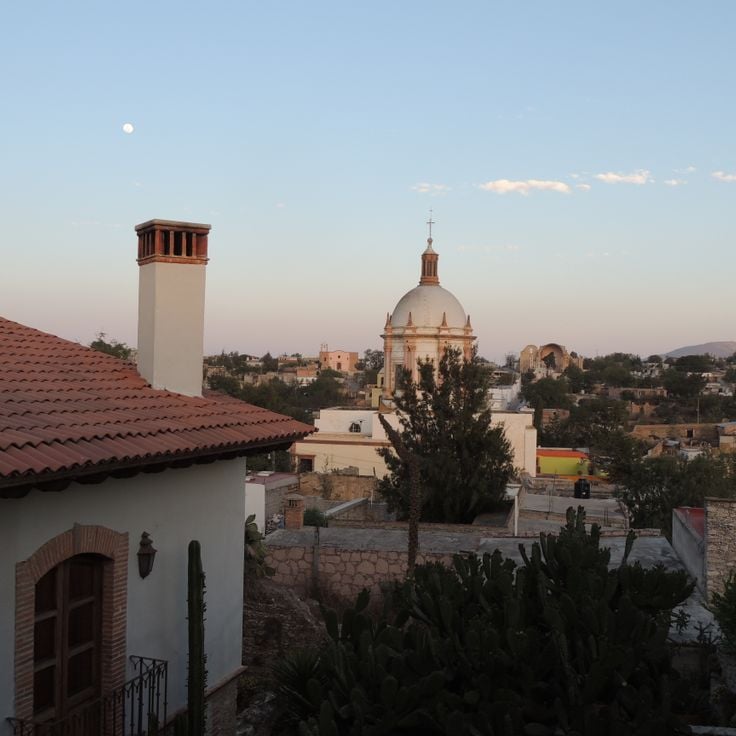
El Quelite is a small colonial village in Sinaloa with roughly 1850 residents. The town keeps its historic character with red tile roofs that crown whitewashed buildings. It belongs in this collection because it is one of those places where local traditions continue and regional food remains central to daily life. Walking through its narrow streets, you see how life here has unfolded and still does.
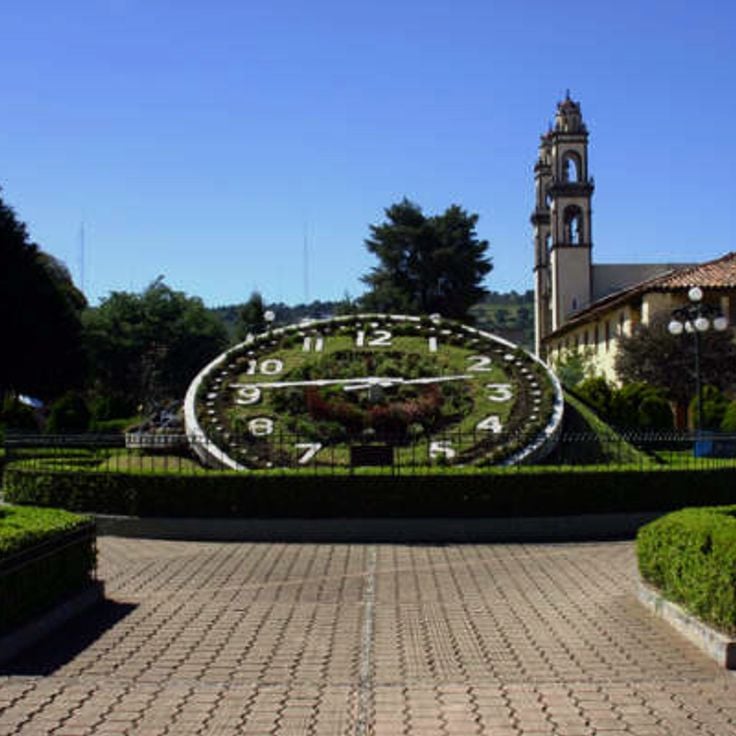
Zacatlán de las Manzanas is a town in the highlands of Puebla known for growing apples and transforming them into cider. The walls of the houses display large murals with historical patterns. Walking through the streets, you see the past told through painted designs on buildings. This town is part of a collection of Mexican destinations that showcase the country's diverse landscape and heritage, from underground caves to ancient ruins hidden in jungles.
Cuatro Ciénegas is a desert oasis where natural springs create green spaces that sustain plants and animals found nowhere else on Earth. Water flows from underground sources, forming small lakes and wetlands where life flourishes in the midst of arid surroundings. This refuge reveals how water shapes survival in harsh landscapes.
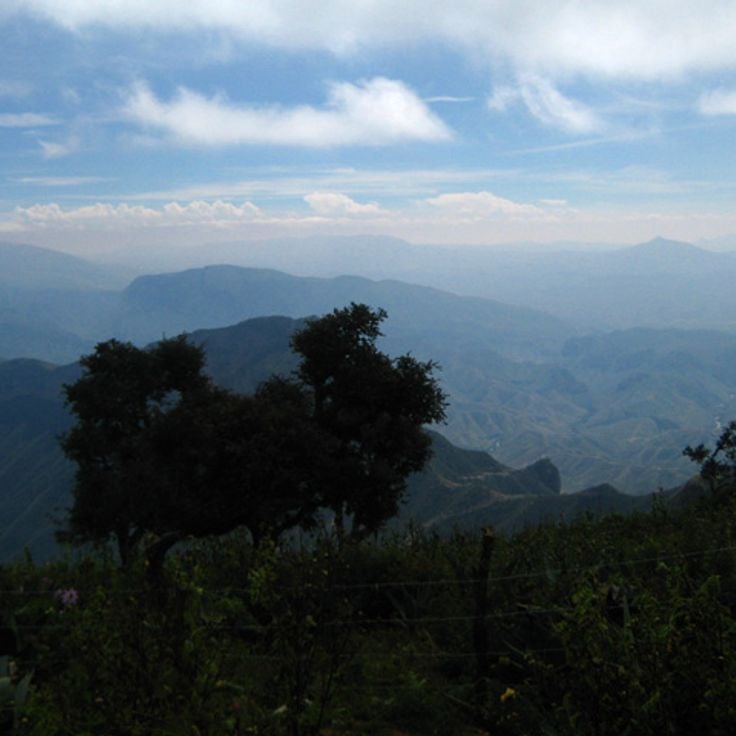
The Sierra Gorda Biosphere Reserve protects mountains and valleys in Querétaro with diverse climates and vegetation. Historic mission buildings stand among the forest and remind visitors of the region's colonial past. The reserve is home to many animals and plant species. Walking through these lands, you encounter dense forests, open valleys, and streams flowing down hillsides. Local communities still maintain traditions here, and the landscape changes as you move through different elevations.
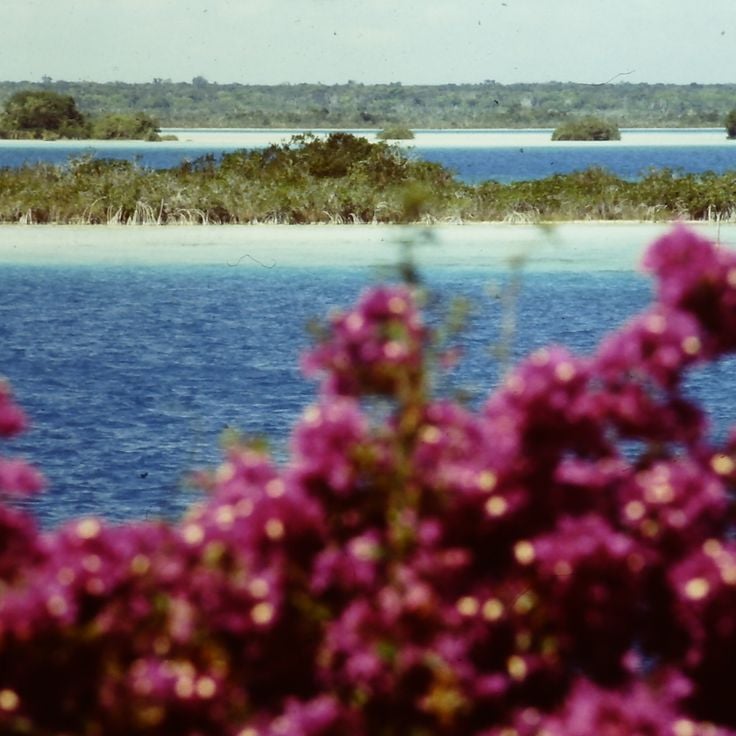
Laguna Bacalar in Quintana Roo displays shifting blue tones across its surface. The water changes color depending on its depth, moving from pale turquoise in shallow areas to deeper blue where the lake bed drops away. Limestone deposits settled at the bottom refract light and create these varied hues. Visitors can observe how the water's color tells the story of the lake's underwater landscape, revealing the geological character of this region.
Valle de Bravo sits on the shore of a lake in the State of Mexico and offers visitors a peaceful town with many recreational activities. The place is a center for paragliding and hosts sanctuaries where monarch butterflies spend the winter. This destination fits the collection's range, which features natural wonders and authentic experiences away from typical tourist routes.
San Sebastián Bernal is a village dominated by one of the world's tallest monoliths. This enormous rock formation rises dramatically from the surrounding land and defines the character of the place. The village itself retains a colonial charm with narrow streets, colorful houses, and a relaxed pace of life. Visitors walk through the lanes, visit the local church, and take in views of the remarkable stone. The community maintains its traditions, and the area draws people seeking to experience history and nature together.
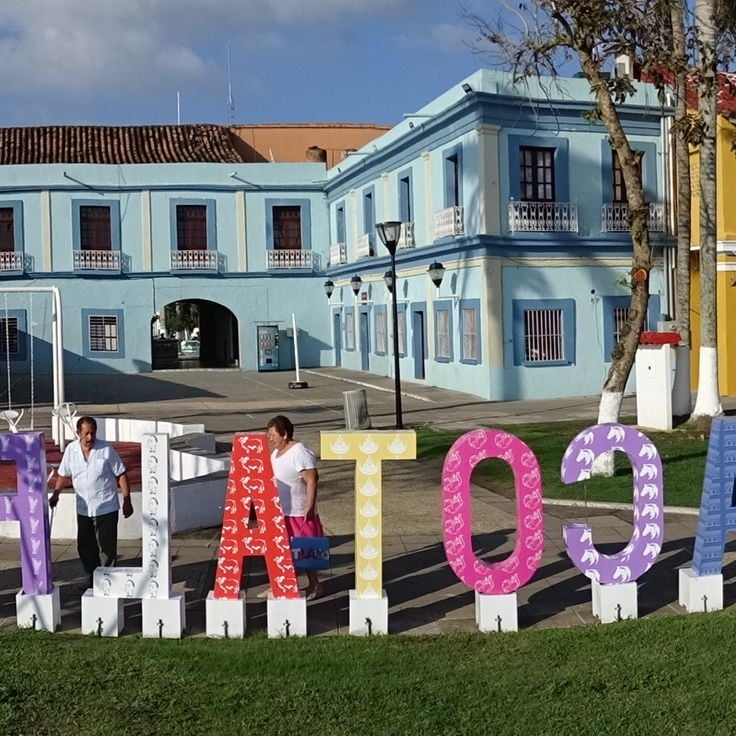
Tlacotalpan is a busy port city in Veracruz with colonial architecture that has survived through the centuries. Walking through its streets, you see colorful buildings and the pulse of a community tied to the water. The people here keep traditions alive through festivals and daily life along the riverfront. This city tells the story of a place where trade brought people together and shaped the way life unfolds on the banks.
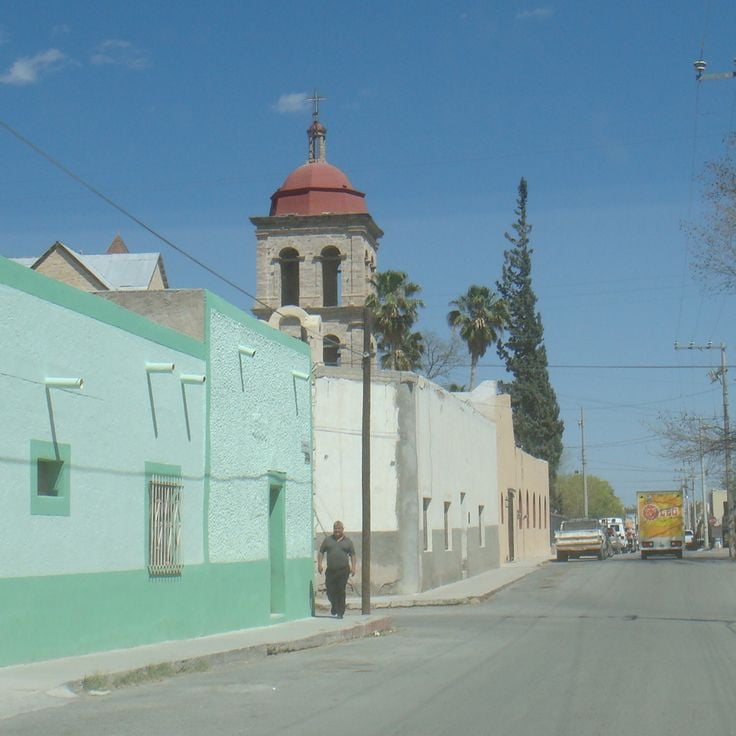
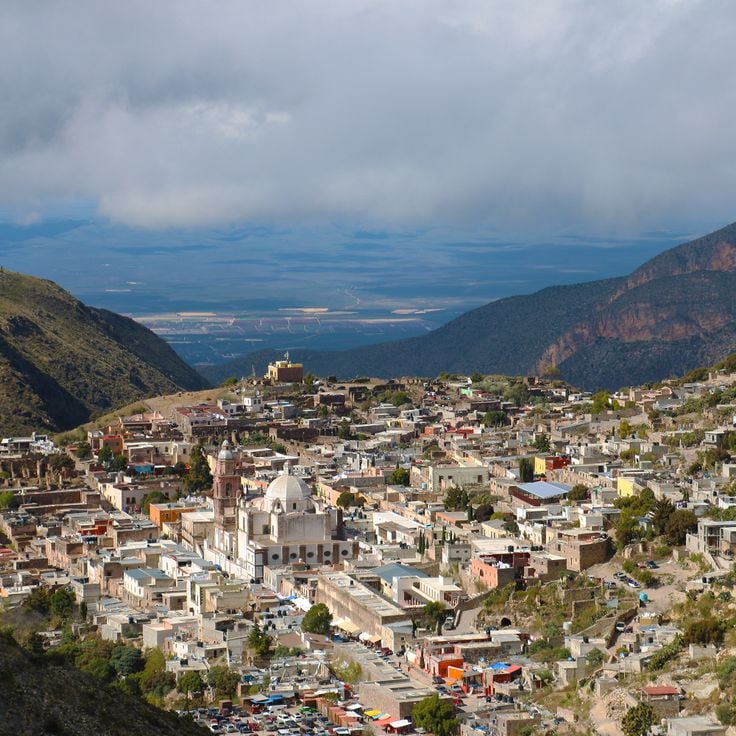
Real de Catorce is a mountain town at 8,850 feet (2,700 meters) elevation in the highlands of San Luis Potosí. The town served as an important silver mining center in the 18th century and continues to shape the character of the region. Cobblestone streets run through the old town, passing colonial buildings from the height of the mining era. Today, Real de Catorce is a place where the history of silver mining remains visible and where visitors can experience the architecture and landscape of the mountain region.
El Pinacate Desert Reserve in Sonora shows Mexico's geological power. More than 400 volcanic craters mark this landscape, some formed thousands of years ago. Black lava rocks create sharp contrasts against the light-colored dunes. The place reveals how volcanic forces shape the earth and leaves visitors with deep impressions of raw natural landscapes.
Celestún is a fishing village on the Yucatán Peninsula coastline, surrounded by mangrove forests and salt marshes. Flocks of pink flamingos inhabit the lagoons and wetlands throughout the area. The landscape is shaped by its wild character: dense mangrove channels wind through the settlement, with salt marshes stretching beyond. Daily life in Celestún revolves around fishing and the rhythms of the sea. The village balances its working harbor with protection of the natural ecosystems that shelter migratory birds and flamingos.
Huatulco is a coastal town in Oaxaca where the Copalita River flows through lush surroundings. The area offers trails through dense forests and coffee plantations that dot the green hillsides. This town combines natural exploration with local life, reflecting the agricultural traditions of the region.
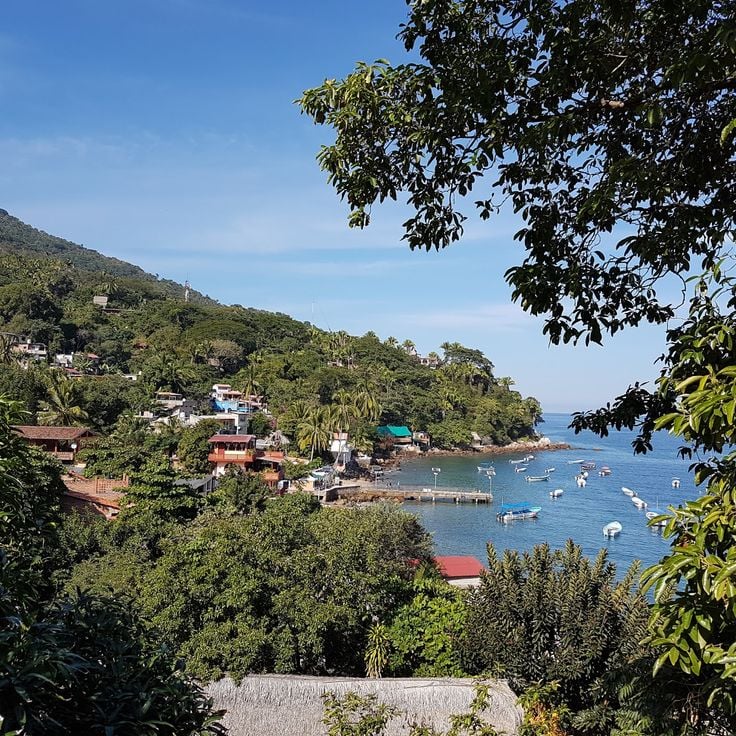
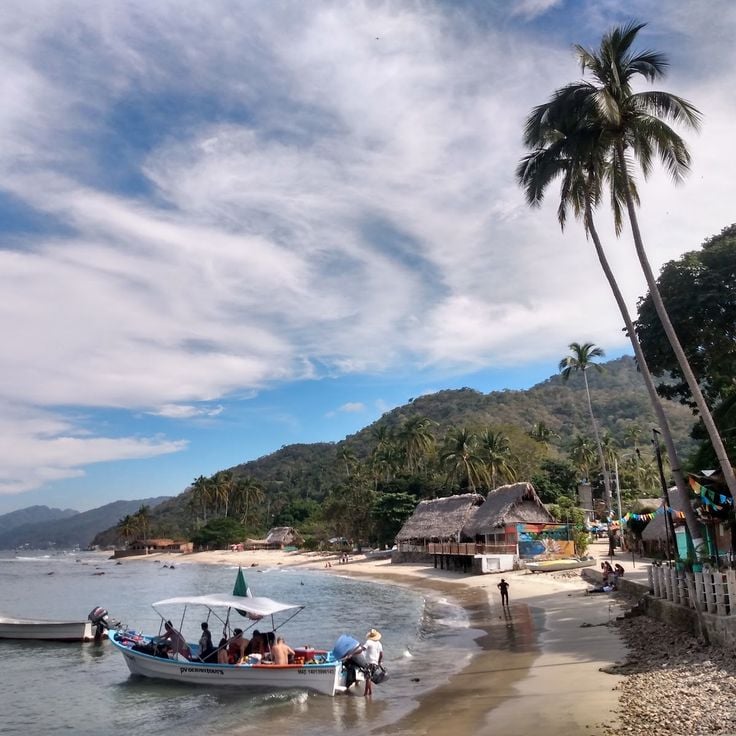
Yelapa is a village on the Pacific coast accessible only by boat, nestled in a bay in Jalisco. The settlement has no roads for cars and maintains a slow-paced way of life. Houses scatter across hillsides overlooking the beach, and the sea shapes daily rhythms here. This place draws people who want to step away from crowds and experience nature without modern intrusions. During whale migration seasons, visitors come to watch these large marine animals pass through the bay.
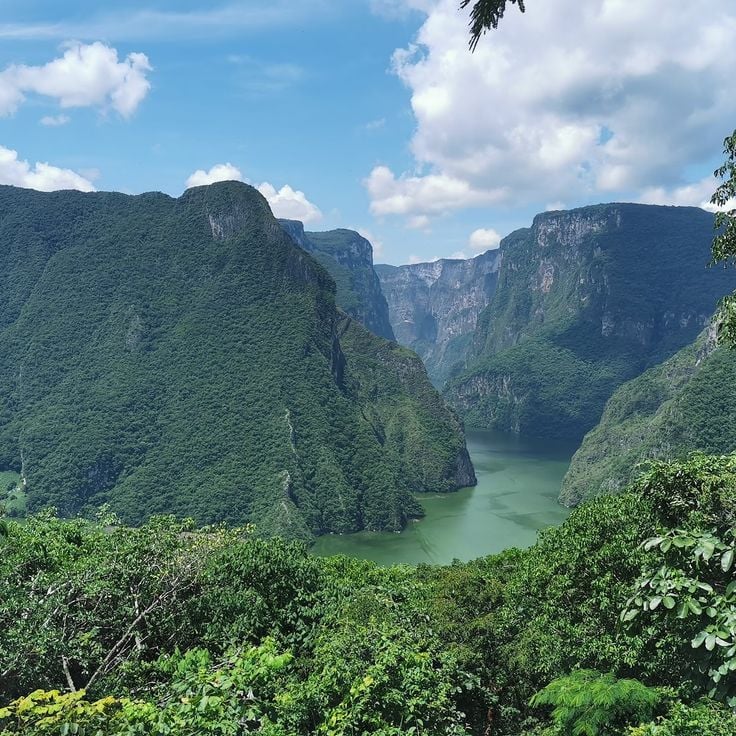
Canyon del Sumidero in Chiapas features towering vertical cliffs that rise sharply along the Grijalva River. This natural formation can be explored by boat from the water or by a scenic road that overlooks the canyon. As you travel through or above this landscape, the sheer rock faces create a sense of scale and drama. The river flows through the narrow passage below, revealing layers of geology and the power of water erosion over time.
Yaxchilan is a Maya archaeological site nestled deep within the jungle of Chiapas. The site features remarkable stone sculptures and carved lintel stones that tell stories from pre-Columbian times. Visitors reach this place by canoe, traveling downriver as they approach the Guatemalan border. Yaxchilan showcases the craftsmanship of Maya civilization and offers a rare encounter with ancient treasures surrounded by dense forest vegetation.
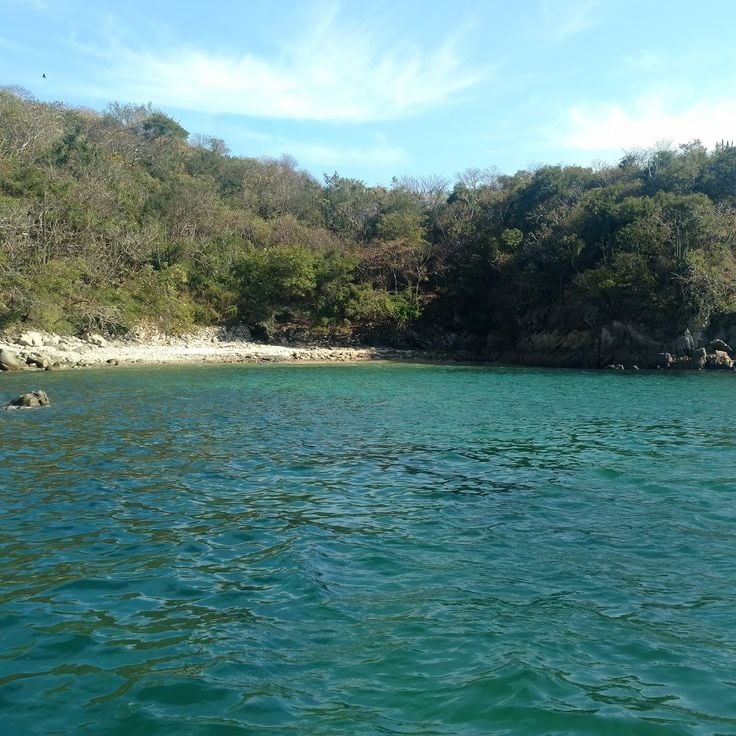
Bahía Tortugas is an isolated fishing hamlet on the Pacific coast of Baja California Sur. The place lives from the sea and offers visitors the chance to observe sea turtles and dive in the waters. The bay features rugged coastal landscape where wild nature and traditional fishing blend together. This is one of the authentic places in Mexico where the daily life of local people is still shaped by the rhythms of the ocean.
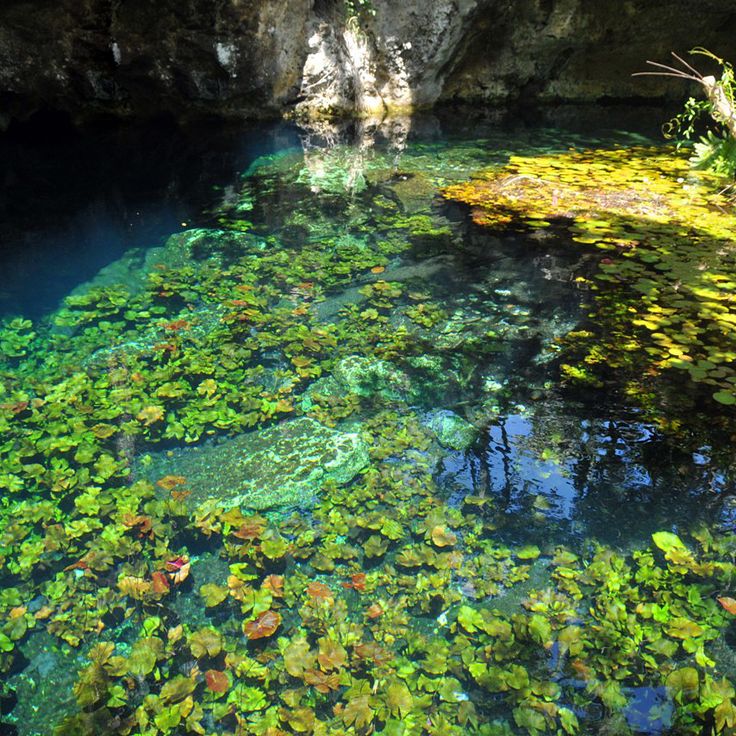
Grand Cenote is a limestone cave filled with clear water located near Tulum. You can swim and snorkel here to observe the underwater rock formations and mineral deposits. The water is cool and calm, making it an ideal spot to explore the geology beneath the surface. You will see fish moving through the water and witness the stone formations that have taken thousands of years to develop. Surrounded by jungle vegetation, this natural pool tells the geological story of the Yucatán Peninsula.
Xochimilco is a network of canals just south of Mexico City where colorful boats drift slowly through the water. Local vendors paddle their boats around, selling regional food, handicrafts, and flowers to visitors. You can ride on the canals and watch how people live their daily lives in these waterways, a way of life that has continued here for centuries. The mood is social and energetic, especially on weekends when families from the city come to spend time here. Xochimilco connects Mexico's past with its present, showing how the people have kept alive the ancient system of floating gardens.
Valle de Los Senderos is an oasis near San Miguel de Allende with natural pools and lotus flowers. The place offers a green retreat in the dry landscape of Guanajuato and shows Mexico's varied nature beyond the well-known tourist routes. Visitors can swim in clear water and walk among flowering plants while enjoying the quiet of this hidden spot.
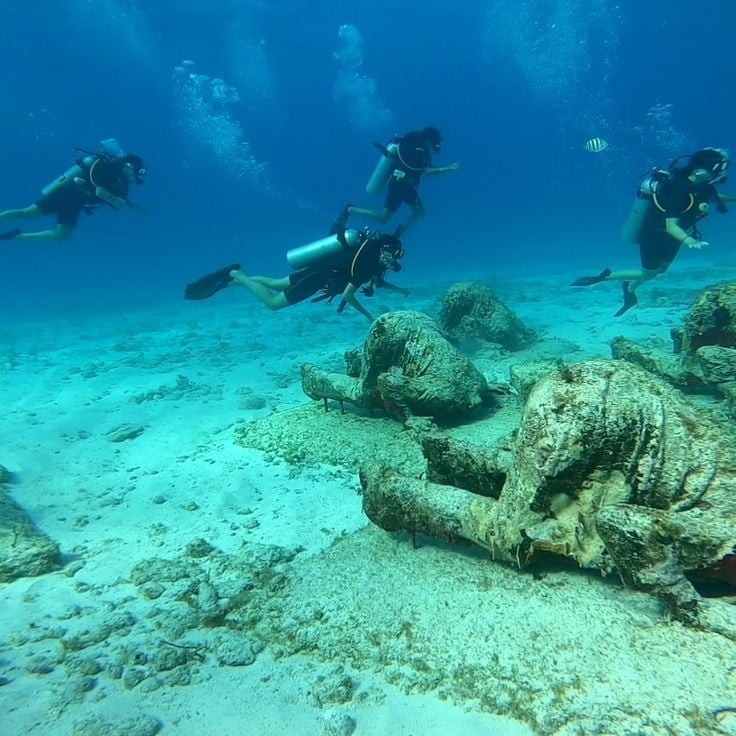
This underwater museum off the coast of Isla Mujeres holds a collection of sculptures and artworks submerged several meters below the water's surface. Divers can swim among dozens of sculptures anchored firmly to the seafloor. Over time, corals and sea life have colonized these artworks, transforming them into living reef structures. The artist deliberately placed these works in the water to create new habitats for marine creatures while merging art with nature. The museum demonstrates how artistic creativity and environmental conservation can work together.
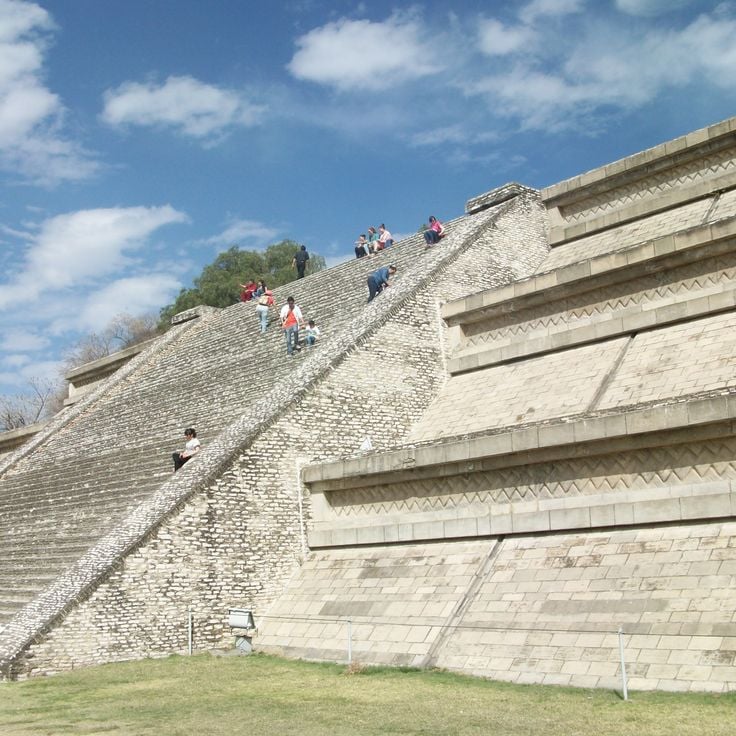
Cholula is home to one of Mexico's most extraordinary archaeological sites. The pyramid here is the world's largest by volume, but what makes it truly special is its layered history. For centuries, a natural hill concealed the ancient structure, and a Spanish colonial church was later built on its summit. Walking through Cholula today, you encounter this blend of pre-Columbian heritage and colonial influence. The site reveals how multiple civilizations shaped this place through centuries. Underground tunnels allow visitors to walk through the heart of the pyramid and understand how the Aztecs and earlier peoples organized their sacred spaces. Cholula demonstrates how deeply Mexico's ancient past remains woven into the present landscape.
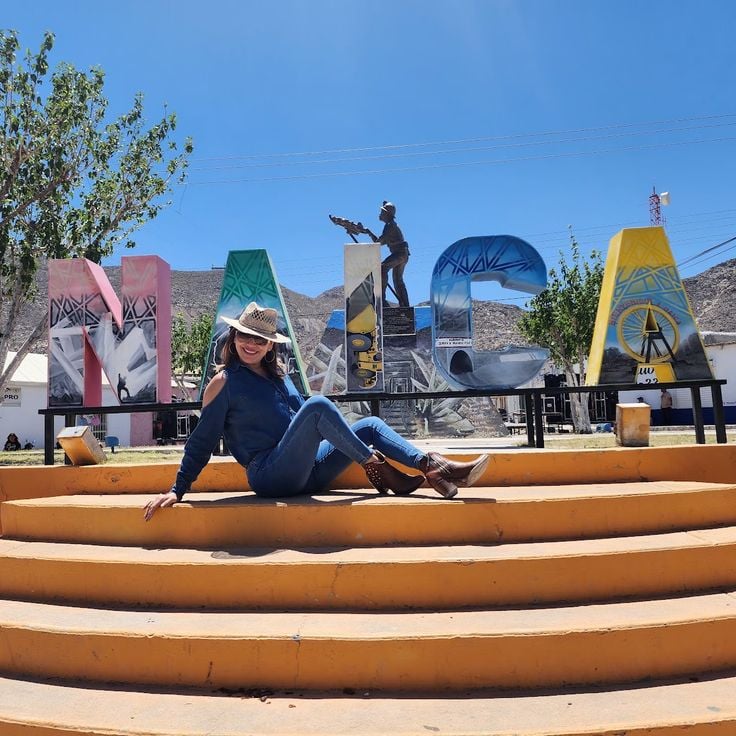
Naica Mine is a cave in Chihuahua with enormous selenite crystals. The crystals are as large as trees and fill the chambers around you. Visitors can explore the Sword Cave, where crystals jut from the ground like giant blades. The mine sits beneath the earth and shows the raw power of nature at work. These crystals formed over thousands of years and are a rare geological wonder. The cave is cold and damp. Here you walk through an underground world of stone and crystal.
The Zone of Silence sits in Durango's desert and is known for its mysterious electromagnetic anomalies. This remote location draws visitors seeking to experience the quietness and strange occurrences of this barren landscape. The desert stretches flat and endless, broken only by sparse vegetation. Many report that electronic devices fail to work here, and describe an unusual hush that fills the air. This zone reveals the harsh nature of Mexico's desert and its enigmatic qualities.
Mineral de Pozos is an abandoned mining town in Guanajuato that preserves centuries of silver extraction history. The ruins of mines and industrial structures from the 16th century stand amid old buildings, telling stories of when this settlement thrived. Walking through its quiet streets, you pass deteriorated houses and industrial remains that speak of a once-bustling past. The mines themselves are accessible, offering insight into the difficult conditions miners faced long ago. This site fits the collection as it represents an important chapter of Mexican history, far from conventional tourist routes.
Playa El Volador is an isolated beach on the Pacific coast with black sand and volcanic rocks. This place shows the geological diversity of Mexico, where volcanoes have shaped the landscape. The beach sits far from usual tourist paths and offers visitors a chance to experience the natural beauty of this region. The dark sand and rock formations tell the story of this coast's volcanic history.
Laguna de Atezca is a mountain lake in Hidalgo, surrounded by pine forests at about 4,250 feet (1,300 meters) elevation. The water reflects the forested slopes around it, and the air feels cool and fresh. The lake sits away from typical tourist routes and offers a quiet place to spend time. Local people fish here and bring their families for picnics. The thick forests create a setting where you can experience Mexico's natural landscape in a straightforward way.
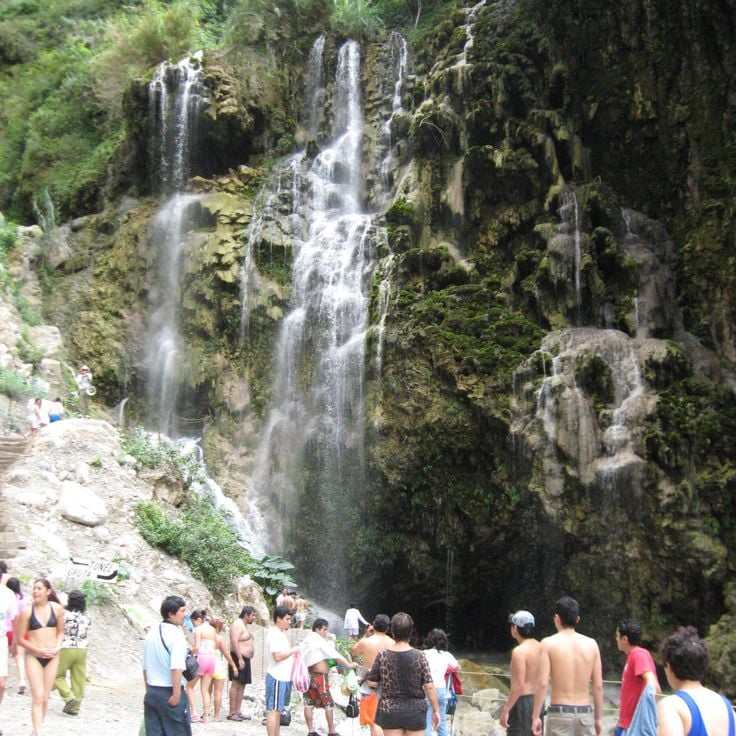
The Tolantongo Caves are a thermal spring complex nestled in the mountains, where warm water flows over rock formations and creates natural pools. Visitors can bathe inside these caves surrounded by waterfalls that cascade from the stone walls. This place shows how water and geology combine to create an extraordinary setting.
Las Pozas is a garden filled with concrete structures that rise dramatically among waterfalls and tropical plants deep in the jungle. English artist Edward James created this place between 1949 and 1984, building staircases, bridges, and platforms that seem to lead nowhere. The structures feel otherworldly as they blend with flowing water and thick vegetation, like walking through a dream. The garden merges human creation with wild nature, showing how imagination can thrive in untamed places.
The Swallow Cave in San Luis Potosí is a remarkable limestone sinkhole that plunges more than 370 meters deep into the earth. Thousands of parrots and swifts fly in and out daily, creating an extraordinary natural display, especially at dawn and dusk. This cave illustrates Mexico's geological diversity and offers visitors a rare glimpse into an underground ecosystem in action. The constant movement of birds through the cavern demonstrates how nature adapts to unusual environments, making this location a striking example of the country's natural wonders.
Isla Holbox is a car-free island where sandy paths connect the community and white beaches meet shallow turquoise waters. As part of a collection exploring Mexico's diverse landscapes and natural wonders, this island represents a different kind of experience: a place where life moves at a gentler pace and nature remains undisturbed. Between June and September, whale sharks arrive in the waters around the island, drawing visitors who want to witness these gentle giants in their natural habitat.
Tepoztlán is a village in Morelos where Mexican traditions are woven into daily life. The settlement sits beneath the Tepozteco mountain, crowned by an ancient Aztec pyramid that can be reached by hiking through the surrounding landscape. Local markets fill the town center with handcrafted goods and traditional foods prepared by residents. Walking through the narrow streets, you encounter colorful buildings and the rhythms of a community that has maintained its ways for generations. This place offers a view of Mexico beyond the typical tourist destinations.
Hierve el Agua features natural pools and cascades formed by mineral-rich limestone deposits. Located at 2000 meters elevation in the mountains of Oaxaca, this site draws water from underground springs that emerge warm and mineral-laden. Over time, these waters have shaped distinctive terraced formations that resemble frozen waterfalls. Visitors can bathe in the natural pools while enjoying views of the surrounding landscape. The site attracts both locals and travelers seeking a different kind of experience.
This volcano emerged suddenly in 1943 in a cornfield and has been inactive since 1952. It rises 424 meters above the landscape of Michoacán. The Paricutín shows how the Earth can change in an instant – one day everything was ordinary, the next day a new mountain pushed up from the ground. Today visitors can hike or ride on horseback to the crater and see the land buried by the eruption. Nearby stands the old village of San Juan Parangaricutiro, where the church steeple still rises from the ash.
The lost city of Calakmul is one of the largest Maya ruins hidden deep within the jungle of Campeche. Over 6500 structures spread across this vast site, most covered or surrounded by dense forest. Two towering pyramids rise above the canopy, their stone faces still visible after centuries. Walking through Calakmul, you see the scale of what the ancient Maya built and how nature has slowly reclaimed much of it.
El Quelite is a small colonial village in Sinaloa with roughly 1850 residents. The town keeps its historic character with red tile roofs that crown whitewashed buildings. It belongs in this collection because it is one of those places where local traditions continue and regional food remains central to daily life. Walking through its narrow streets, you see how life here has unfolded and still does.
Zacatlán de las Manzanas is a town in the highlands of Puebla known for growing apples and transforming them into cider. The walls of the houses display large murals with historical patterns. Walking through the streets, you see the past told through painted designs on buildings. This town is part of a collection of Mexican destinations that showcase the country's diverse landscape and heritage, from underground caves to ancient ruins hidden in jungles.
Cuatro Ciénegas is a desert oasis where natural springs create green spaces that sustain plants and animals found nowhere else on Earth. Water flows from underground sources, forming small lakes and wetlands where life flourishes in the midst of arid surroundings. This refuge reveals how water shapes survival in harsh landscapes.
The Sierra Gorda Biosphere Reserve protects mountains and valleys in Querétaro with diverse climates and vegetation. Historic mission buildings stand among the forest and remind visitors of the region's colonial past. The reserve is home to many animals and plant species. Walking through these lands, you encounter dense forests, open valleys, and streams flowing down hillsides. Local communities still maintain traditions here, and the landscape changes as you move through different elevations.
Laguna Bacalar in Quintana Roo displays shifting blue tones across its surface. The water changes color depending on its depth, moving from pale turquoise in shallow areas to deeper blue where the lake bed drops away. Limestone deposits settled at the bottom refract light and create these varied hues. Visitors can observe how the water's color tells the story of the lake's underwater landscape, revealing the geological character of this region.
Valle de Bravo sits on the shore of a lake in the State of Mexico and offers visitors a peaceful town with many recreational activities. The place is a center for paragliding and hosts sanctuaries where monarch butterflies spend the winter. This destination fits the collection's range, which features natural wonders and authentic experiences away from typical tourist routes.
San Sebastián Bernal is a village dominated by one of the world's tallest monoliths. This enormous rock formation rises dramatically from the surrounding land and defines the character of the place. The village itself retains a colonial charm with narrow streets, colorful houses, and a relaxed pace of life. Visitors walk through the lanes, visit the local church, and take in views of the remarkable stone. The community maintains its traditions, and the area draws people seeking to experience history and nature together.
Tlacotalpan is a busy port city in Veracruz with colonial architecture that has survived through the centuries. Walking through its streets, you see colorful buildings and the pulse of a community tied to the water. The people here keep traditions alive through festivals and daily life along the riverfront. This city tells the story of a place where trade brought people together and shaped the way life unfolds on the banks.
Real de Catorce is a mountain town at 8,850 feet (2,700 meters) elevation in the highlands of San Luis Potosí. The town served as an important silver mining center in the 18th century and continues to shape the character of the region. Cobblestone streets run through the old town, passing colonial buildings from the height of the mining era. Today, Real de Catorce is a place where the history of silver mining remains visible and where visitors can experience the architecture and landscape of the mountain region.
El Pinacate Desert Reserve in Sonora shows Mexico's geological power. More than 400 volcanic craters mark this landscape, some formed thousands of years ago. Black lava rocks create sharp contrasts against the light-colored dunes. The place reveals how volcanic forces shape the earth and leaves visitors with deep impressions of raw natural landscapes.
Celestún is a fishing village on the Yucatán Peninsula coastline, surrounded by mangrove forests and salt marshes. Flocks of pink flamingos inhabit the lagoons and wetlands throughout the area. The landscape is shaped by its wild character: dense mangrove channels wind through the settlement, with salt marshes stretching beyond. Daily life in Celestún revolves around fishing and the rhythms of the sea. The village balances its working harbor with protection of the natural ecosystems that shelter migratory birds and flamingos.
Huatulco is a coastal town in Oaxaca where the Copalita River flows through lush surroundings. The area offers trails through dense forests and coffee plantations that dot the green hillsides. This town combines natural exploration with local life, reflecting the agricultural traditions of the region.
Yelapa is a village on the Pacific coast accessible only by boat, nestled in a bay in Jalisco. The settlement has no roads for cars and maintains a slow-paced way of life. Houses scatter across hillsides overlooking the beach, and the sea shapes daily rhythms here. This place draws people who want to step away from crowds and experience nature without modern intrusions. During whale migration seasons, visitors come to watch these large marine animals pass through the bay.
Canyon del Sumidero in Chiapas features towering vertical cliffs that rise sharply along the Grijalva River. This natural formation can be explored by boat from the water or by a scenic road that overlooks the canyon. As you travel through or above this landscape, the sheer rock faces create a sense of scale and drama. The river flows through the narrow passage below, revealing layers of geology and the power of water erosion over time.
Yaxchilan is a Maya archaeological site nestled deep within the jungle of Chiapas. The site features remarkable stone sculptures and carved lintel stones that tell stories from pre-Columbian times. Visitors reach this place by canoe, traveling downriver as they approach the Guatemalan border. Yaxchilan showcases the craftsmanship of Maya civilization and offers a rare encounter with ancient treasures surrounded by dense forest vegetation.
Bahía Tortugas is an isolated fishing hamlet on the Pacific coast of Baja California Sur. The place lives from the sea and offers visitors the chance to observe sea turtles and dive in the waters. The bay features rugged coastal landscape where wild nature and traditional fishing blend together. This is one of the authentic places in Mexico where the daily life of local people is still shaped by the rhythms of the ocean.
Grand Cenote is a limestone cave filled with clear water located near Tulum. You can swim and snorkel here to observe the underwater rock formations and mineral deposits. The water is cool and calm, making it an ideal spot to explore the geology beneath the surface. You will see fish moving through the water and witness the stone formations that have taken thousands of years to develop. Surrounded by jungle vegetation, this natural pool tells the geological story of the Yucatán Peninsula.
Xochimilco is a network of canals just south of Mexico City where colorful boats drift slowly through the water. Local vendors paddle their boats around, selling regional food, handicrafts, and flowers to visitors. You can ride on the canals and watch how people live their daily lives in these waterways, a way of life that has continued here for centuries. The mood is social and energetic, especially on weekends when families from the city come to spend time here. Xochimilco connects Mexico's past with its present, showing how the people have kept alive the ancient system of floating gardens.
Valle de Los Senderos is an oasis near San Miguel de Allende with natural pools and lotus flowers. The place offers a green retreat in the dry landscape of Guanajuato and shows Mexico's varied nature beyond the well-known tourist routes. Visitors can swim in clear water and walk among flowering plants while enjoying the quiet of this hidden spot.
This underwater museum off the coast of Isla Mujeres holds a collection of sculptures and artworks submerged several meters below the water's surface. Divers can swim among dozens of sculptures anchored firmly to the seafloor. Over time, corals and sea life have colonized these artworks, transforming them into living reef structures. The artist deliberately placed these works in the water to create new habitats for marine creatures while merging art with nature. The museum demonstrates how artistic creativity and environmental conservation can work together.
Cholula is home to one of Mexico's most extraordinary archaeological sites. The pyramid here is the world's largest by volume, but what makes it truly special is its layered history. For centuries, a natural hill concealed the ancient structure, and a Spanish colonial church was later built on its summit. Walking through Cholula today, you encounter this blend of pre-Columbian heritage and colonial influence. The site reveals how multiple civilizations shaped this place through centuries. Underground tunnels allow visitors to walk through the heart of the pyramid and understand how the Aztecs and earlier peoples organized their sacred spaces. Cholula demonstrates how deeply Mexico's ancient past remains woven into the present landscape.
Naica Mine is a cave in Chihuahua with enormous selenite crystals. The crystals are as large as trees and fill the chambers around you. Visitors can explore the Sword Cave, where crystals jut from the ground like giant blades. The mine sits beneath the earth and shows the raw power of nature at work. These crystals formed over thousands of years and are a rare geological wonder. The cave is cold and damp. Here you walk through an underground world of stone and crystal.
The Zone of Silence sits in Durango's desert and is known for its mysterious electromagnetic anomalies. This remote location draws visitors seeking to experience the quietness and strange occurrences of this barren landscape. The desert stretches flat and endless, broken only by sparse vegetation. Many report that electronic devices fail to work here, and describe an unusual hush that fills the air. This zone reveals the harsh nature of Mexico's desert and its enigmatic qualities.
Mineral de Pozos is an abandoned mining town in Guanajuato that preserves centuries of silver extraction history. The ruins of mines and industrial structures from the 16th century stand amid old buildings, telling stories of when this settlement thrived. Walking through its quiet streets, you pass deteriorated houses and industrial remains that speak of a once-bustling past. The mines themselves are accessible, offering insight into the difficult conditions miners faced long ago. This site fits the collection as it represents an important chapter of Mexican history, far from conventional tourist routes.
Playa El Volador is an isolated beach on the Pacific coast with black sand and volcanic rocks. This place shows the geological diversity of Mexico, where volcanoes have shaped the landscape. The beach sits far from usual tourist paths and offers visitors a chance to experience the natural beauty of this region. The dark sand and rock formations tell the story of this coast's volcanic history.
Laguna de Atezca is a mountain lake in Hidalgo, surrounded by pine forests at about 4,250 feet (1,300 meters) elevation. The water reflects the forested slopes around it, and the air feels cool and fresh. The lake sits away from typical tourist routes and offers a quiet place to spend time. Local people fish here and bring their families for picnics. The thick forests create a setting where you can experience Mexico's natural landscape in a straightforward way.
The Tolantongo Caves are a thermal spring complex nestled in the mountains, where warm water flows over rock formations and creates natural pools. Visitors can bathe inside these caves surrounded by waterfalls that cascade from the stone walls. This place shows how water and geology combine to create an extraordinary setting.
Las Pozas is a garden filled with concrete structures that rise dramatically among waterfalls and tropical plants deep in the jungle. English artist Edward James created this place between 1949 and 1984, building staircases, bridges, and platforms that seem to lead nowhere. The structures feel otherworldly as they blend with flowing water and thick vegetation, like walking through a dream. The garden merges human creation with wild nature, showing how imagination can thrive in untamed places.
The Swallow Cave in San Luis Potosí is a remarkable limestone sinkhole that plunges more than 370 meters deep into the earth. Thousands of parrots and swifts fly in and out daily, creating an extraordinary natural display, especially at dawn and dusk. This cave illustrates Mexico's geological diversity and offers visitors a rare glimpse into an underground ecosystem in action. The constant movement of birds through the cavern demonstrates how nature adapts to unusual environments, making this location a striking example of the country's natural wonders.
Isla Holbox is a car-free island where sandy paths connect the community and white beaches meet shallow turquoise waters. As part of a collection exploring Mexico's diverse landscapes and natural wonders, this island represents a different kind of experience: a place where life moves at a gentler pace and nature remains undisturbed. Between June and September, whale sharks arrive in the waters around the island, drawing visitors who want to witness these gentle giants in their natural habitat.
Tepoztlán is a village in Morelos where Mexican traditions are woven into daily life. The settlement sits beneath the Tepozteco mountain, crowned by an ancient Aztec pyramid that can be reached by hiking through the surrounding landscape. Local markets fill the town center with handcrafted goods and traditional foods prepared by residents. Walking through the narrow streets, you encounter colorful buildings and the rhythms of a community that has maintained its ways for generations. This place offers a view of Mexico beyond the typical tourist destinations.
Hierve el Agua features natural pools and cascades formed by mineral-rich limestone deposits. Located at 2000 meters elevation in the mountains of Oaxaca, this site draws water from underground springs that emerge warm and mineral-laden. Over time, these waters have shaped distinctive terraced formations that resemble frozen waterfalls. Visitors can bathe in the natural pools while enjoying views of the surrounding landscape. The site attracts both locals and travelers seeking a different kind of experience.
This volcano emerged suddenly in 1943 in a cornfield and has been inactive since 1952. It rises 424 meters above the landscape of Michoacán. The Paricutín shows how the Earth can change in an instant – one day everything was ordinary, the next day a new mountain pushed up from the ground. Today visitors can hike or ride on horseback to the crater and see the land buried by the eruption. Nearby stands the old village of San Juan Parangaricutiro, where the church steeple still rises from the ash.
The lost city of Calakmul is one of the largest Maya ruins hidden deep within the jungle of Campeche. Over 6500 structures spread across this vast site, most covered or surrounded by dense forest. Two towering pyramids rise above the canopy, their stone faces still visible after centuries. Walking through Calakmul, you see the scale of what the ancient Maya built and how nature has slowly reclaimed much of it.
El Quelite is a small colonial village in Sinaloa with roughly 1850 residents. The town keeps its historic character with red tile roofs that crown whitewashed buildings. It belongs in this collection because it is one of those places where local traditions continue and regional food remains central to daily life. Walking through its narrow streets, you see how life here has unfolded and still does.
Zacatlán de las Manzanas is a town in the highlands of Puebla known for growing apples and transforming them into cider. The walls of the houses display large murals with historical patterns. Walking through the streets, you see the past told through painted designs on buildings. This town is part of a collection of Mexican destinations that showcase the country's diverse landscape and heritage, from underground caves to ancient ruins hidden in jungles.
Cuatro Ciénegas is a desert oasis where natural springs create green spaces that sustain plants and animals found nowhere else on Earth. Water flows from underground sources, forming small lakes and wetlands where life flourishes in the midst of arid surroundings. This refuge reveals how water shapes survival in harsh landscapes.
The Sierra Gorda Biosphere Reserve protects mountains and valleys in Querétaro with diverse climates and vegetation. Historic mission buildings stand among the forest and remind visitors of the region's colonial past. The reserve is home to many animals and plant species. Walking through these lands, you encounter dense forests, open valleys, and streams flowing down hillsides. Local communities still maintain traditions here, and the landscape changes as you move through different elevations.
Laguna Bacalar in Quintana Roo displays shifting blue tones across its surface. The water changes color depending on its depth, moving from pale turquoise in shallow areas to deeper blue where the lake bed drops away. Limestone deposits settled at the bottom refract light and create these varied hues. Visitors can observe how the water's color tells the story of the lake's underwater landscape, revealing the geological character of this region.
Valle de Bravo sits on the shore of a lake in the State of Mexico and offers visitors a peaceful town with many recreational activities. The place is a center for paragliding and hosts sanctuaries where monarch butterflies spend the winter. This destination fits the collection's range, which features natural wonders and authentic experiences away from typical tourist routes.
San Sebastián Bernal is a village dominated by one of the world's tallest monoliths. This enormous rock formation rises dramatically from the surrounding land and defines the character of the place. The village itself retains a colonial charm with narrow streets, colorful houses, and a relaxed pace of life. Visitors walk through the lanes, visit the local church, and take in views of the remarkable stone. The community maintains its traditions, and the area draws people seeking to experience history and nature together.
Tlacotalpan is a busy port city in Veracruz with colonial architecture that has survived through the centuries. Walking through its streets, you see colorful buildings and the pulse of a community tied to the water. The people here keep traditions alive through festivals and daily life along the riverfront. This city tells the story of a place where trade brought people together and shaped the way life unfolds on the banks.
Real de Catorce is a mountain town at 8,850 feet (2,700 meters) elevation in the highlands of San Luis Potosí. The town served as an important silver mining center in the 18th century and continues to shape the character of the region. Cobblestone streets run through the old town, passing colonial buildings from the height of the mining era. Today, Real de Catorce is a place where the history of silver mining remains visible and where visitors can experience the architecture and landscape of the mountain region.
El Pinacate Desert Reserve in Sonora shows Mexico's geological power. More than 400 volcanic craters mark this landscape, some formed thousands of years ago. Black lava rocks create sharp contrasts against the light-colored dunes. The place reveals how volcanic forces shape the earth and leaves visitors with deep impressions of raw natural landscapes.
Celestún is a fishing village on the Yucatán Peninsula coastline, surrounded by mangrove forests and salt marshes. Flocks of pink flamingos inhabit the lagoons and wetlands throughout the area. The landscape is shaped by its wild character: dense mangrove channels wind through the settlement, with salt marshes stretching beyond. Daily life in Celestún revolves around fishing and the rhythms of the sea. The village balances its working harbor with protection of the natural ecosystems that shelter migratory birds and flamingos.
Huatulco is a coastal town in Oaxaca where the Copalita River flows through lush surroundings. The area offers trails through dense forests and coffee plantations that dot the green hillsides. This town combines natural exploration with local life, reflecting the agricultural traditions of the region.
Yelapa is a village on the Pacific coast accessible only by boat, nestled in a bay in Jalisco. The settlement has no roads for cars and maintains a slow-paced way of life. Houses scatter across hillsides overlooking the beach, and the sea shapes daily rhythms here. This place draws people who want to step away from crowds and experience nature without modern intrusions. During whale migration seasons, visitors come to watch these large marine animals pass through the bay.
Canyon del Sumidero in Chiapas features towering vertical cliffs that rise sharply along the Grijalva River. This natural formation can be explored by boat from the water or by a scenic road that overlooks the canyon. As you travel through or above this landscape, the sheer rock faces create a sense of scale and drama. The river flows through the narrow passage below, revealing layers of geology and the power of water erosion over time.
Yaxchilan is a Maya archaeological site nestled deep within the jungle of Chiapas. The site features remarkable stone sculptures and carved lintel stones that tell stories from pre-Columbian times. Visitors reach this place by canoe, traveling downriver as they approach the Guatemalan border. Yaxchilan showcases the craftsmanship of Maya civilization and offers a rare encounter with ancient treasures surrounded by dense forest vegetation.
Bahía Tortugas is an isolated fishing hamlet on the Pacific coast of Baja California Sur. The place lives from the sea and offers visitors the chance to observe sea turtles and dive in the waters. The bay features rugged coastal landscape where wild nature and traditional fishing blend together. This is one of the authentic places in Mexico where the daily life of local people is still shaped by the rhythms of the ocean.
Grand Cenote is a limestone cave filled with clear water located near Tulum. You can swim and snorkel here to observe the underwater rock formations and mineral deposits. The water is cool and calm, making it an ideal spot to explore the geology beneath the surface. You will see fish moving through the water and witness the stone formations that have taken thousands of years to develop. Surrounded by jungle vegetation, this natural pool tells the geological story of the Yucatán Peninsula.
Xochimilco is a network of canals just south of Mexico City where colorful boats drift slowly through the water. Local vendors paddle their boats around, selling regional food, handicrafts, and flowers to visitors. You can ride on the canals and watch how people live their daily lives in these waterways, a way of life that has continued here for centuries. The mood is social and energetic, especially on weekends when families from the city come to spend time here. Xochimilco connects Mexico's past with its present, showing how the people have kept alive the ancient system of floating gardens.
Valle de Los Senderos is an oasis near San Miguel de Allende with natural pools and lotus flowers. The place offers a green retreat in the dry landscape of Guanajuato and shows Mexico's varied nature beyond the well-known tourist routes. Visitors can swim in clear water and walk among flowering plants while enjoying the quiet of this hidden spot.
This underwater museum off the coast of Isla Mujeres holds a collection of sculptures and artworks submerged several meters below the water's surface. Divers can swim among dozens of sculptures anchored firmly to the seafloor. Over time, corals and sea life have colonized these artworks, transforming them into living reef structures. The artist deliberately placed these works in the water to create new habitats for marine creatures while merging art with nature. The museum demonstrates how artistic creativity and environmental conservation can work together.
Cholula is home to one of Mexico's most extraordinary archaeological sites. The pyramid here is the world's largest by volume, but what makes it truly special is its layered history. For centuries, a natural hill concealed the ancient structure, and a Spanish colonial church was later built on its summit. Walking through Cholula today, you encounter this blend of pre-Columbian heritage and colonial influence. The site reveals how multiple civilizations shaped this place through centuries. Underground tunnels allow visitors to walk through the heart of the pyramid and understand how the Aztecs and earlier peoples organized their sacred spaces. Cholula demonstrates how deeply Mexico's ancient past remains woven into the present landscape.
Naica Mine is a cave in Chihuahua with enormous selenite crystals. The crystals are as large as trees and fill the chambers around you. Visitors can explore the Sword Cave, where crystals jut from the ground like giant blades. The mine sits beneath the earth and shows the raw power of nature at work. These crystals formed over thousands of years and are a rare geological wonder. The cave is cold and damp. Here you walk through an underground world of stone and crystal.
The Zone of Silence sits in Durango's desert and is known for its mysterious electromagnetic anomalies. This remote location draws visitors seeking to experience the quietness and strange occurrences of this barren landscape. The desert stretches flat and endless, broken only by sparse vegetation. Many report that electronic devices fail to work here, and describe an unusual hush that fills the air. This zone reveals the harsh nature of Mexico's desert and its enigmatic qualities.
Mineral de Pozos is an abandoned mining town in Guanajuato that preserves centuries of silver extraction history. The ruins of mines and industrial structures from the 16th century stand amid old buildings, telling stories of when this settlement thrived. Walking through its quiet streets, you pass deteriorated houses and industrial remains that speak of a once-bustling past. The mines themselves are accessible, offering insight into the difficult conditions miners faced long ago. This site fits the collection as it represents an important chapter of Mexican history, far from conventional tourist routes.
Playa El Volador is an isolated beach on the Pacific coast with black sand and volcanic rocks. This place shows the geological diversity of Mexico, where volcanoes have shaped the landscape. The beach sits far from usual tourist paths and offers visitors a chance to experience the natural beauty of this region. The dark sand and rock formations tell the story of this coast's volcanic history.
Laguna de Atezca is a mountain lake in Hidalgo, surrounded by pine forests at about 4,250 feet (1,300 meters) elevation. The water reflects the forested slopes around it, and the air feels cool and fresh. The lake sits away from typical tourist routes and offers a quiet place to spend time. Local people fish here and bring their families for picnics. The thick forests create a setting where you can experience Mexico's natural landscape in a straightforward way.
The Tolantongo Caves are a thermal spring complex nestled in the mountains, where warm water flows over rock formations and creates natural pools. Visitors can bathe inside these caves surrounded by waterfalls that cascade from the stone walls. This place shows how water and geology combine to create an extraordinary setting.