See the monuments around you in AROpen chests in the app
Around Us is built for your phone — point your camera at the streets and discover the monuments and places around you in augmented reality.Around Us is built for your phone — chests unlock when you walk, explore and capture nearby places.
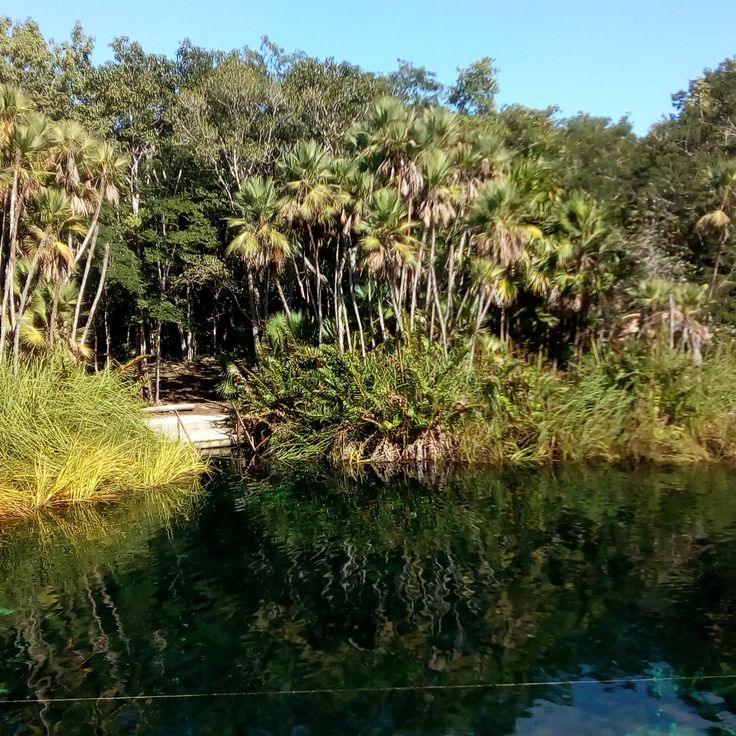
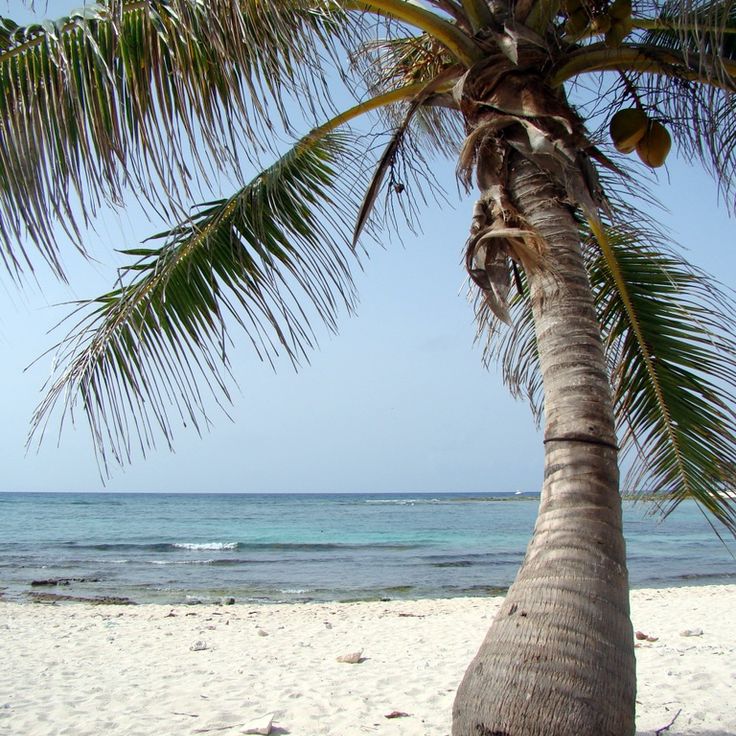
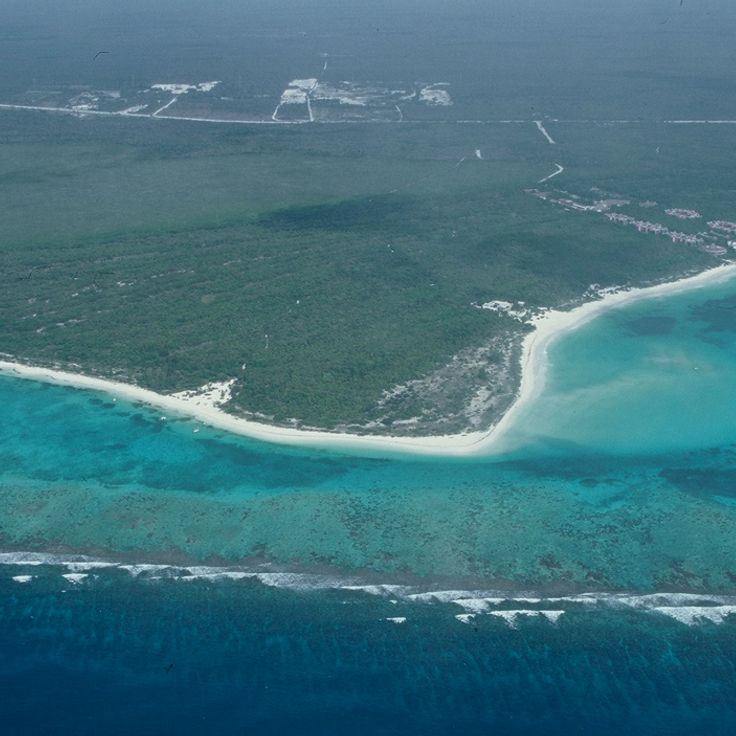
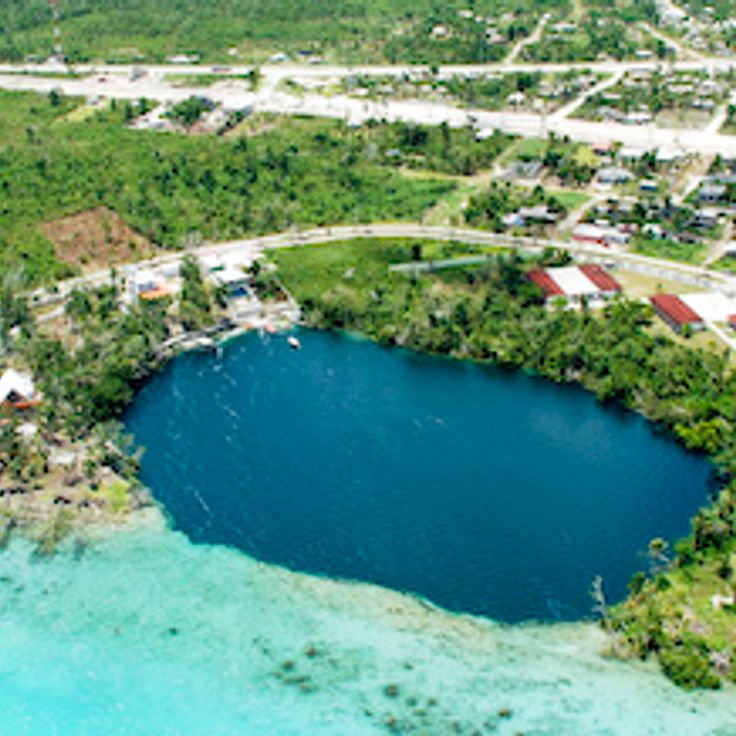
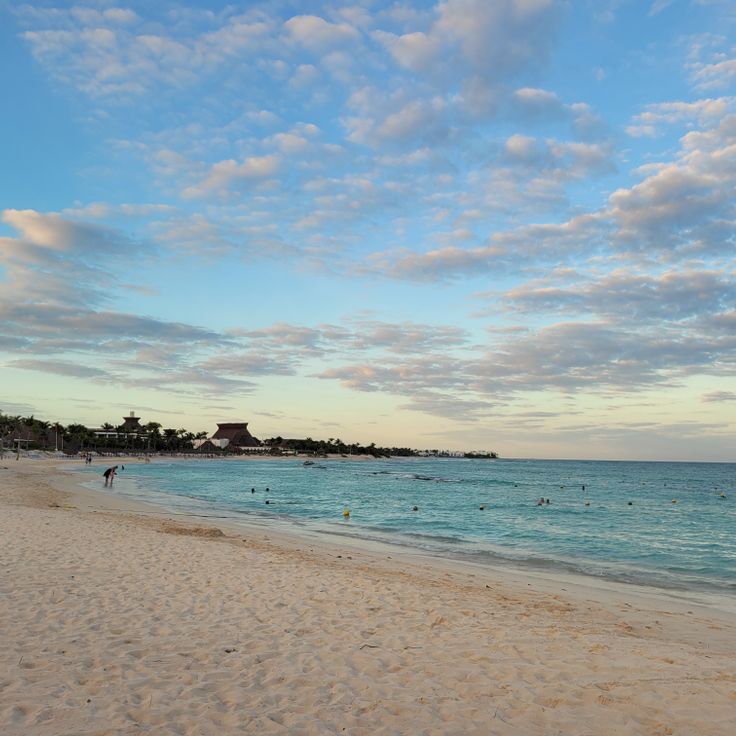
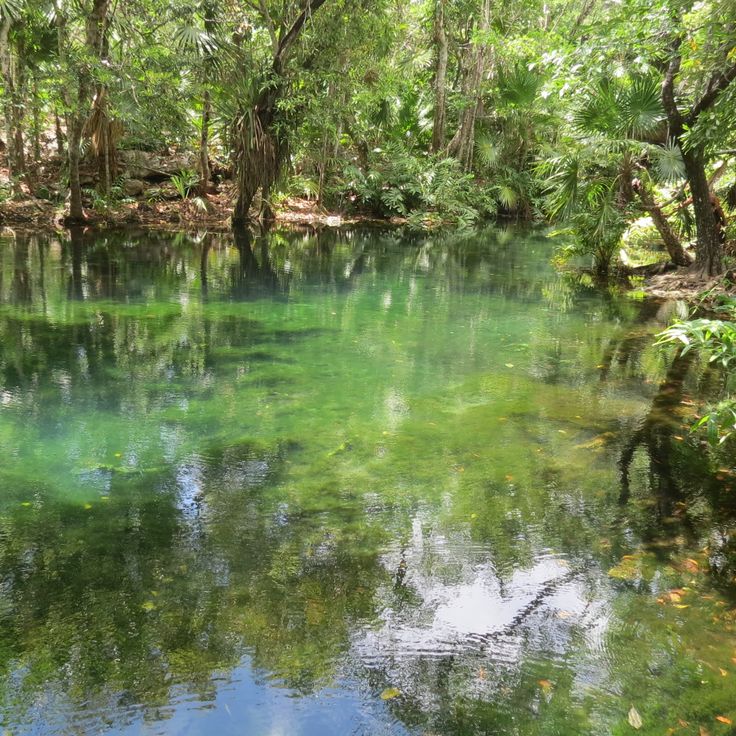
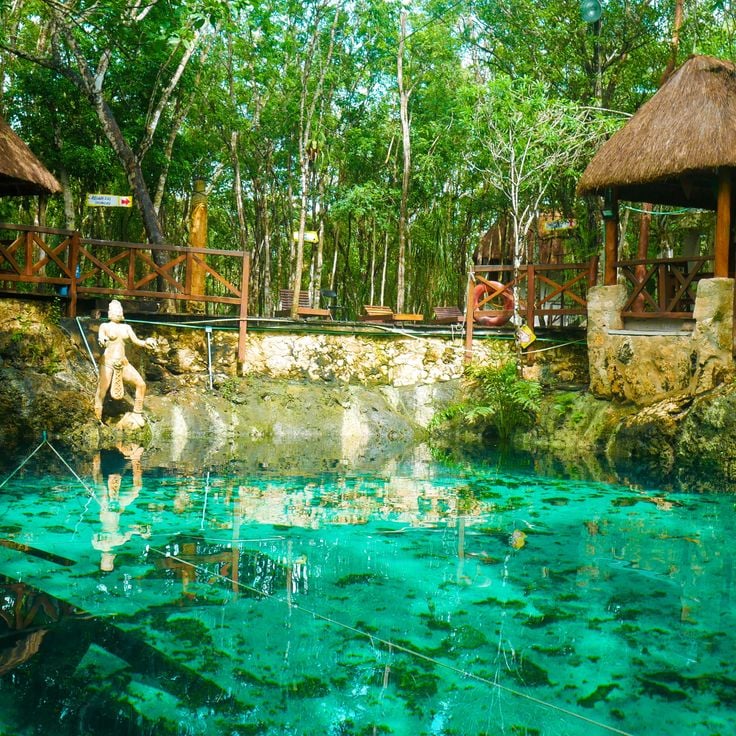
Quintana Roo is a coastal region where remote beaches, Mayan archaeological sites, and natural wonders come together. The area is known for its cenotes – natural freshwater sinkholes, some with underwater caves and clear water for swimming and diving. You will find ancient ruins hidden in the jungle, small islands with diverse wildlife, and beaches where you can experience local Mexican culture away from crowds. Sites like Muyil, Kohunlich, and San Gervasio reveal the history of the Maya people, while cenotes such as Sac Actun, Casa Cenote, and Angelita expose an underwater world beneath the surface. Lagoons like Kaan Luum and Bacalar invite exploration of mangrove forests and aquatic life. Beaches such as Xcacel, Paamul, and Xpu-ha offer tranquility far from major tourist centers, while small islands like Isla Contoy shelter seabirds and marine habitats. Together, these places form a destination where history, nature, and local life intertwine.
Quintana Roo is a coastal region where remote beaches, Mayan archaeological sites, and natural wonders come together. The area is known for its cenotes – natural freshwater sinkholes, some with underwater caves and clear water for swimming and diving. You will find ancient ruins hidden in the jungle, small islands with diverse wildlife, and beaches where you can experience local Mexican culture away from crowds. Sites like Muyil, Kohunlich, and San Gervasio reveal the history of the Maya people, while cenotes such as Sac Actun, Casa Cenote, and Angelita expose an underwater world beneath the surface. Lagoons like Kaan Luum and Bacalar invite exploration of mangrove forests and aquatic life. Beaches such as Xcacel, Paamul, and Xpu-ha offer tranquility far from major tourist centers, while small islands like Isla Contoy shelter seabirds and marine habitats. Together, these places form a destination where history, nature, and local life intertwine.
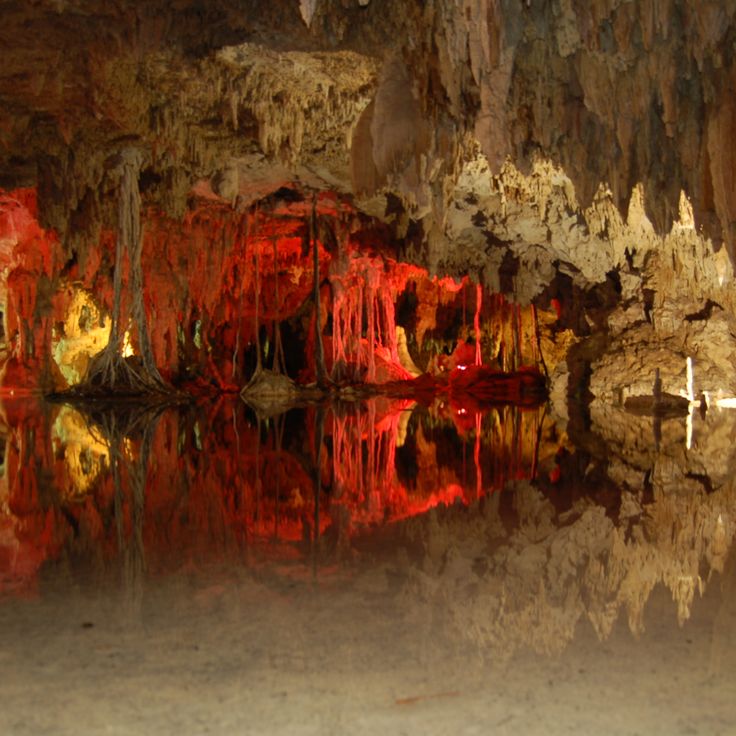
Cenote Sac Actun is an underground system of connected rivers and caves in Quintana Roo. The water stays at 24°C year-round, letting visitors see limestone formations beneath the surface. This site offers a chance to explore the hidden natural features of this Mexican region, where caves and underground waters are part of local life and traditions.
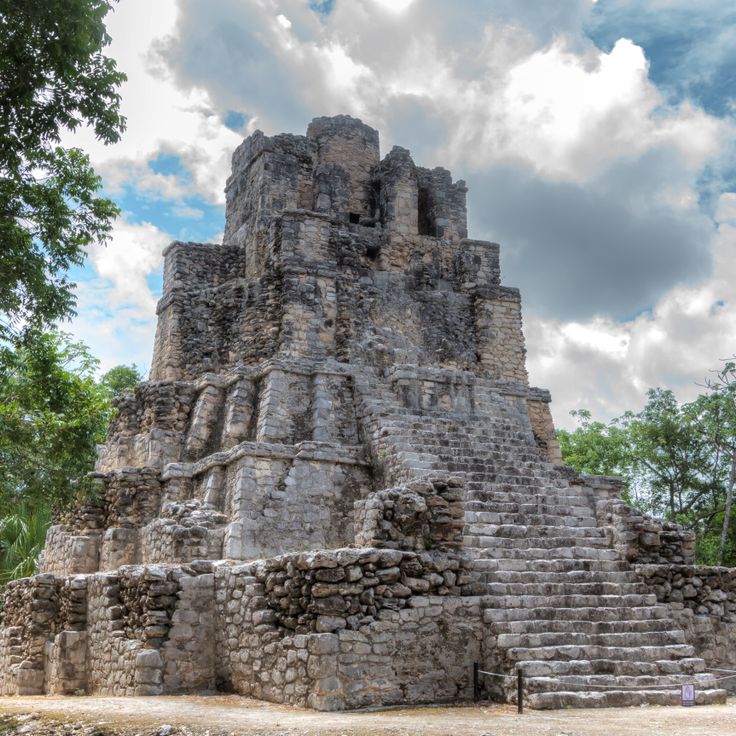
Muyil Ruins presents an ancient Maya settlement with structures spanning centuries of history. The site sits within the jungle and reveals how the Maya connected to Caribbean trade networks. Visiting here allows you to explore the region's history and culture while experiencing the natural environment of Quintana Roo.
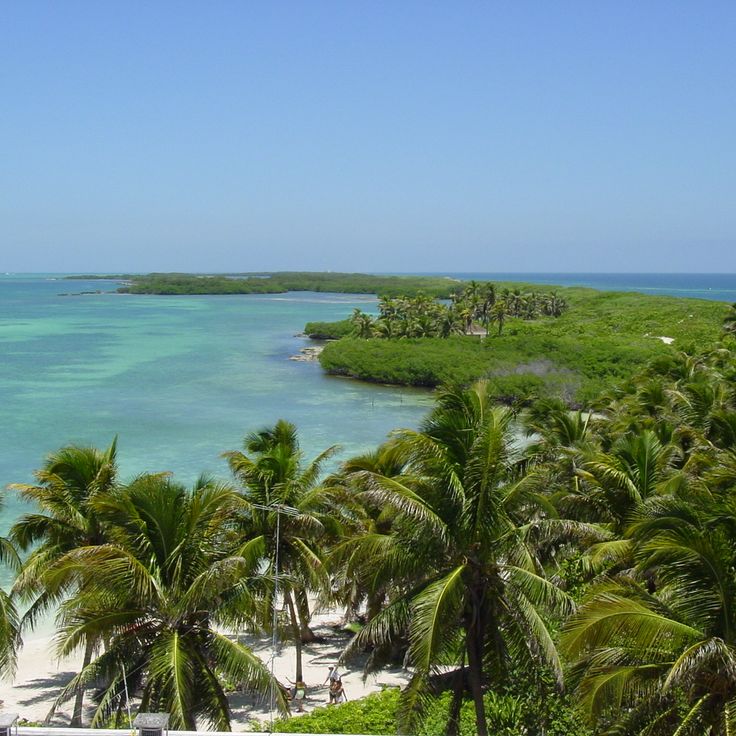
This national park on Isla Contoy serves as an alternative to more crowded destinations in Quintana Roo. The island covers 230 hectares and is home to 152 bird species. Four distinct ecosystems shape the landscape: mangrove forests, sand dunes, lagoons, and coral reefs. Visitors can observe seabirds and explore the natural environment of the Gulf of Mexico, experiencing a less-visited coastal region.
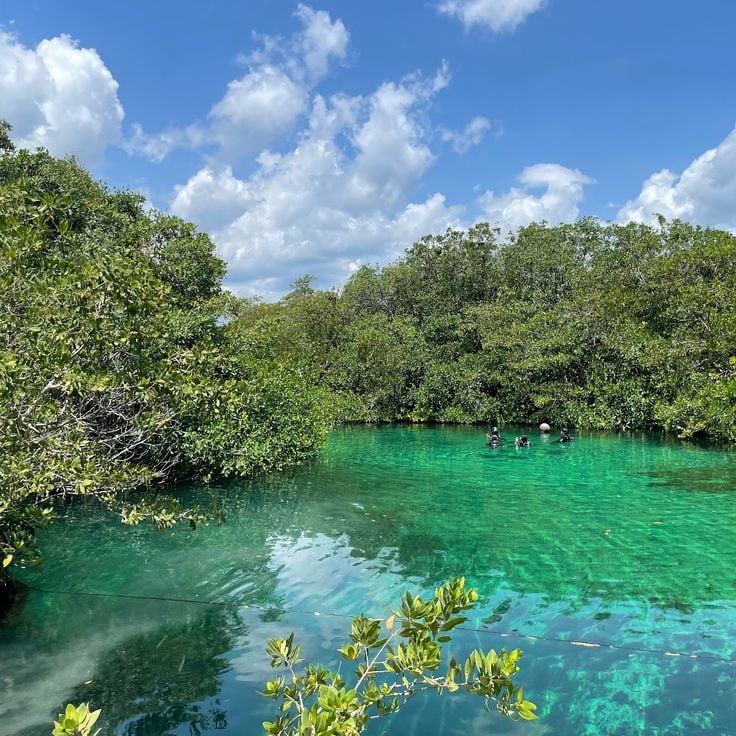
Laguna Kaan Luum is a natural lagoon near Tulum with a central cenote that reaches approximately 80 meters deep. The water transitions from turquoise at the edges to dark blue at the center. This lagoon exemplifies the geological features of Quintana Roo, where underground caves and water sources shape the landscape. The location offers visitors a chance to experience the natural characteristics of this coastal region and understand how water systems define the area.
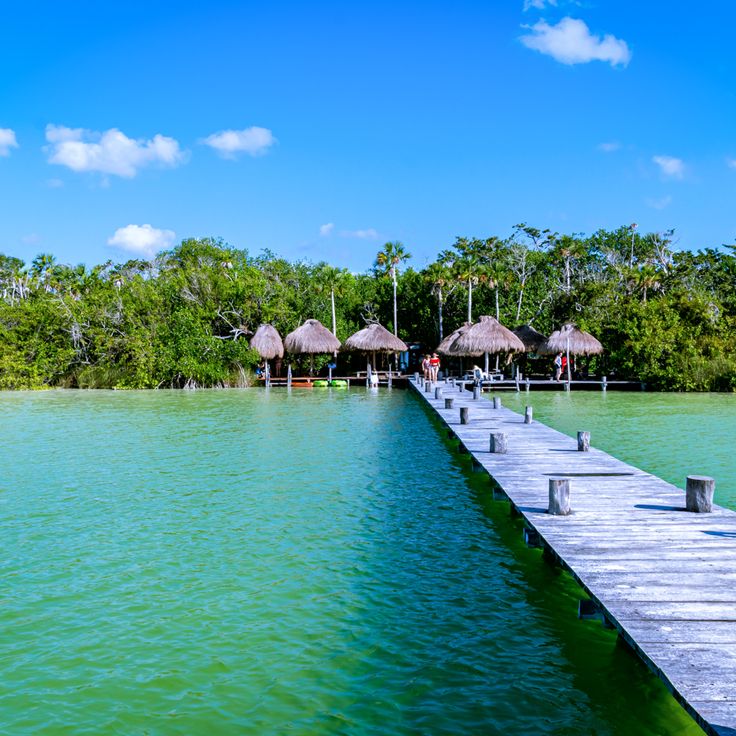
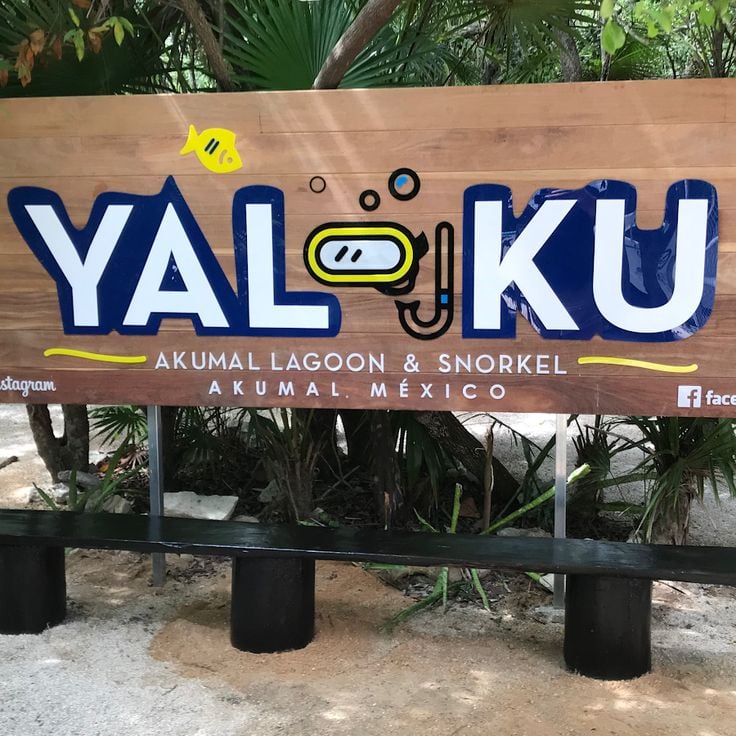
This lagoon in Akumal offers a gentle place to snorkel in Quintana Roo. The water here mixes fresh and salt water, creating an unusual habitat. You can see colorful fish and corals without swimming far from shore. The lagoon sits near Mayan ruins and cenotes, showing the natural diversity that makes this region special for travelers seeking both nature and local culture.
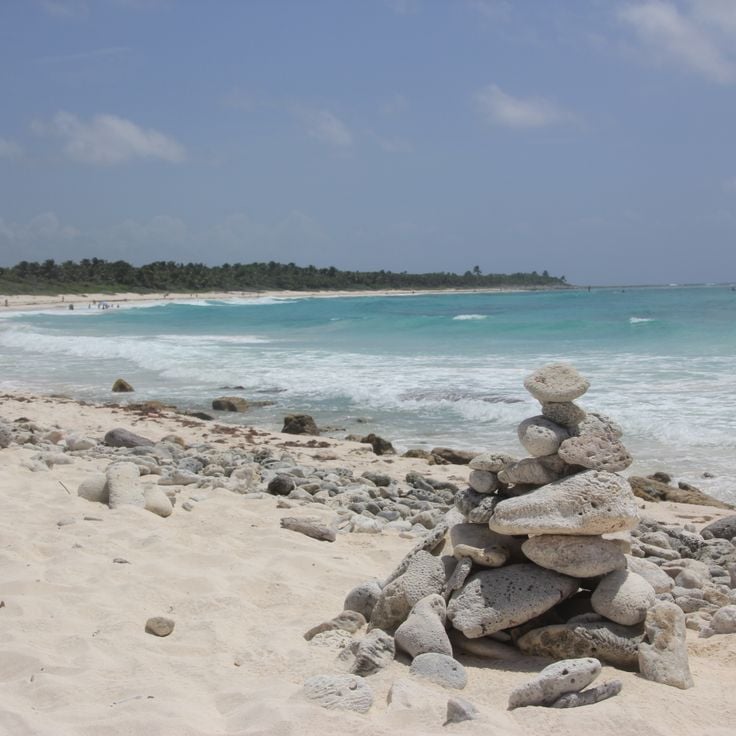
Xcacel Beach is a natural reserve in Tulum with white sand and a cenote. This location in Quintana Roo offers a way to experience Mexican nature, and sea turtles nest here from May to October.
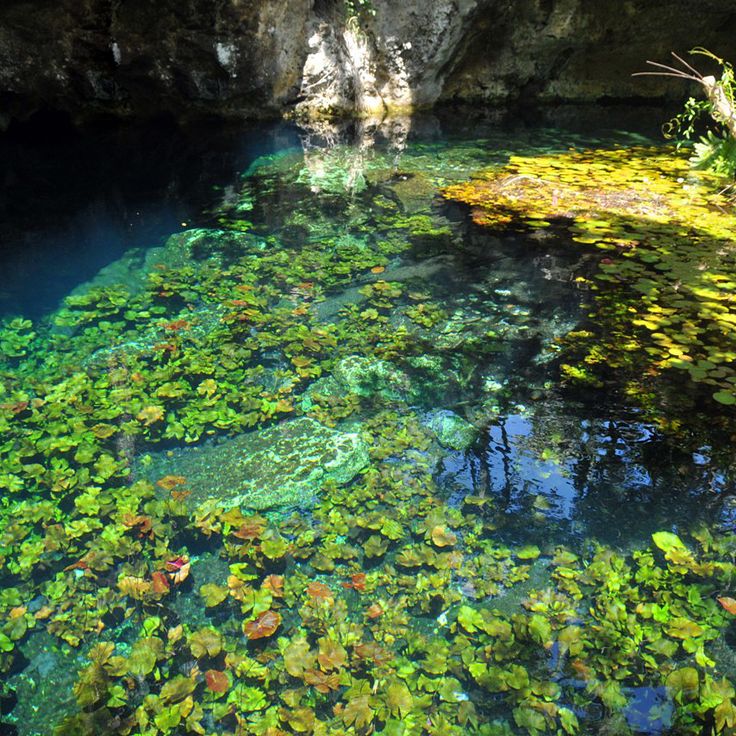
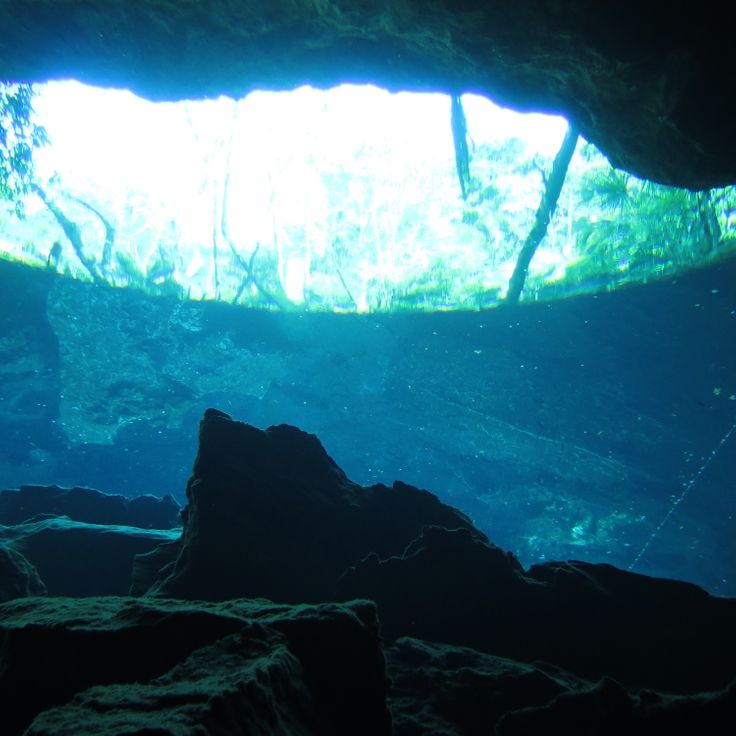
Casa Cenote is an open freshwater pool in Tulum that connects to the ocean and mangrove forests. The water is clear and reveals underwater rock formations. This location offers a chance to explore the natural waters and local vegetation of Quintana Roo, which are characteristic of the region.
Kohunlich is a Maya archaeological site within a region known for remote beaches, Mayan ruins, and natural areas. This site features large plazas and temples dating to the 6th century. The Temple of Masks displays large stucco decorations and offers a chance to experience Mexican culture in a jungle setting.
Soliman Bay offers a place for visitors exploring the remote beaches and natural areas of Quintana Roo. This small bay sits among coral reefs and features calm waters with turquoise lagoons for snorkeling. Here, travelers can encounter Mexican nature up close while staying away from the busier tourist spots.
Punta Allen is a fishing village within the Sian Ka'an reserve. You will find small restaurants serving fresh-caught seafood and boat tours that take you fishing. The place lets you experience how local communities live and work with the sea.
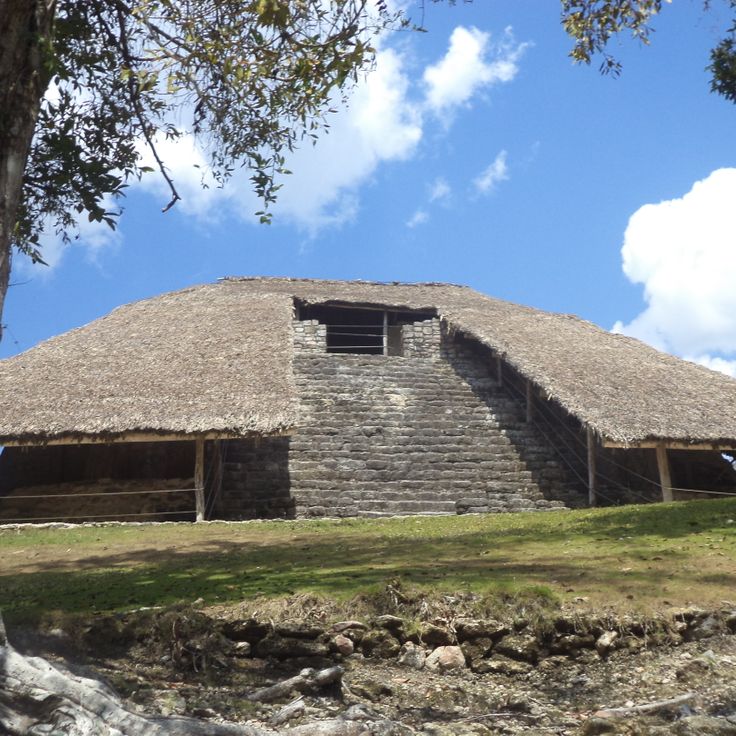
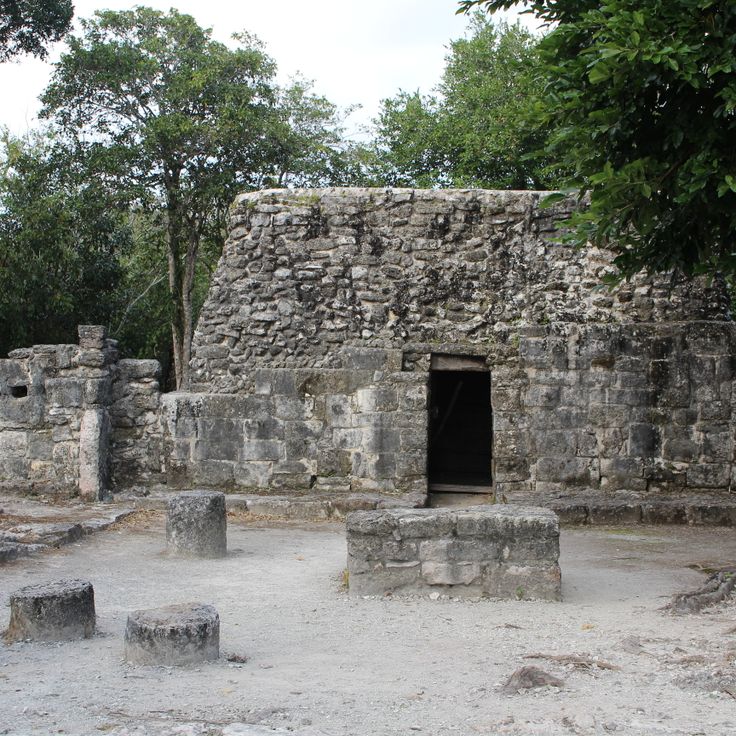
San Gervasio Mayan Site on Cozumel was a religious center of the Maya with temples and altars from the 7th century. This is one of the alternative destinations in Quintana Roo where you can discover Maya history surrounded by nature. Archaeologists found offerings to the goddess Ixchel here. The ruins show how the Maya lived and worshiped.
Naharon Cenote (Cenote Esqueleto) is an underground freshwater lake in Quintana Roo that features long cave passages reaching 90 meters deep. This cenote represents the natural wonders that define the region, where underwater caves and freshwater pools shape the landscape. It offers visitors a glimpse into the geological features that make Quintana Roo a destination for those seeking encounters with Mexico's natural formations.
Paamul Beach is a small coastal section in Quintana Roo that offers coral reefs for snorkeling. The beach has shaded areas beneath coconut trees where visitors can rest. This location fits the region's alternative destinations that combine nature and local experiences.
Punta Maroma is a beach near Playa del Carmen that stretches 500 meters along the coast. The water is turquoise and the sand is white. Natural vegetation and trees surround the shoreline, creating a sense of separation from developed areas. This location offers an alternative for visitors exploring Quintana Roo's beaches without seeking the most popular spots. The beach provides a quiet place to swim and relax near Playa del Carmen.
Cenote Azul is a natural water basin near Bacalar in Quintana Roo, representing one of the region's alternative destinations. It reaches a depth of about 30 meters and features clear water perfect for swimming. Visitors can observe underwater rock formations and geological features beneath the surface. The site offers a direct encounter with Mexico's natural landscapes.
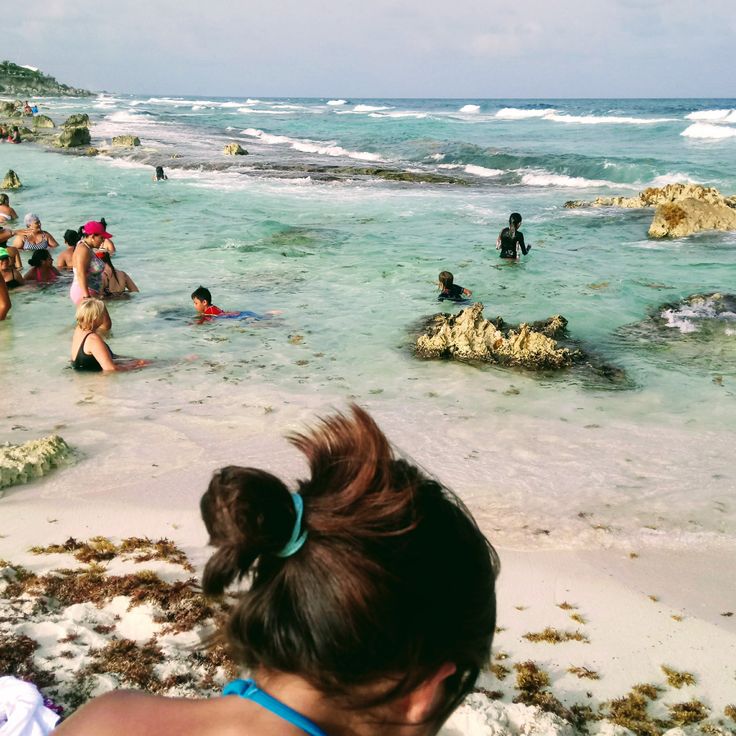
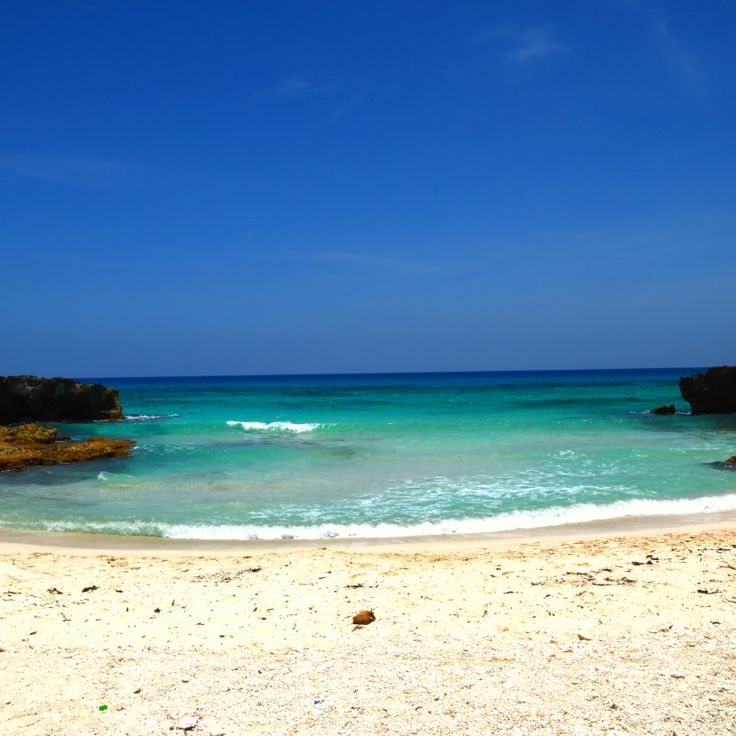
Chen Rio is a beach on Cozumel with natural rock pools and a bay with calm water. As an alternative destination in Quintana Roo, this beach offers swimming and snorkeling away from crowded tourist spots. The location reflects local Mexican life and lets visitors enjoy the natural surroundings at a slower pace.
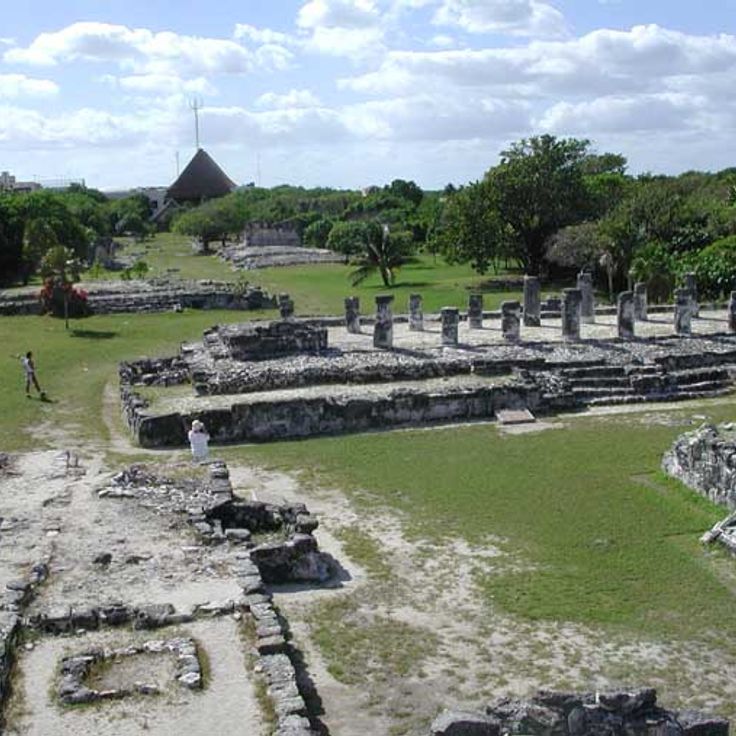
This archaeological site of El Rey lies between modern hotels in Cancún, showing how ancient Maya culture exists alongside today's development. Visitors can explore 47 stone structures and two main temples, offering a window into the history of this Quintana Roo region that blends past and present.
El Mirador Viewpoint is a lookout on Cozumel that fits into the alternative destinations of Quintana Roo. From here you can see the Caribbean Sea, with its cliffs, waves, and natural coastline. The location offers a direct view of the ocean and the coastal landscape that defines this region.
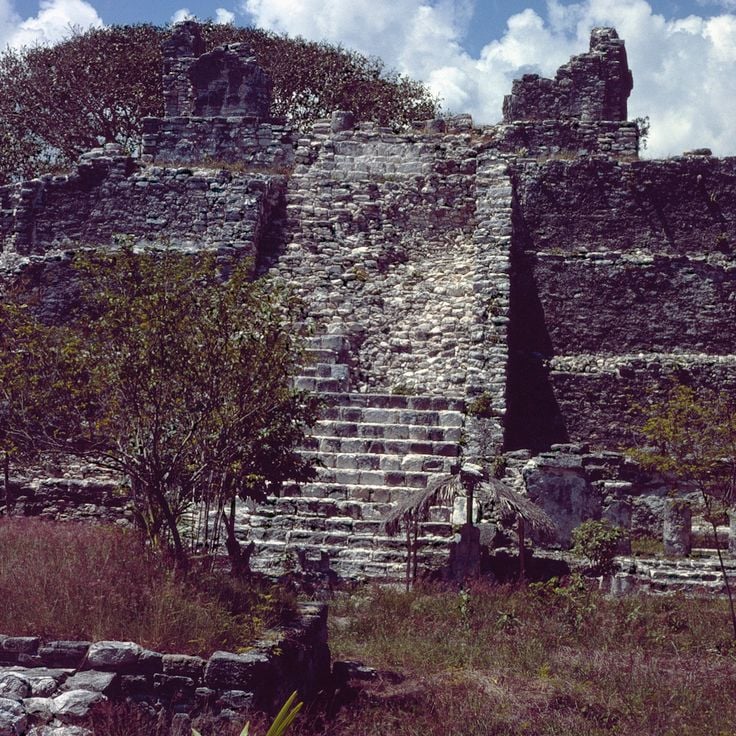
El Meco Archaeological Zone is a Maya site in Cancún with 14 structures from the post-classic period. The main temple rises about 12.5 meters high. This site offers a window into the world of Maya civilization as it developed in Quintana Roo, showing how people lived and built communities in this region hundreds of years ago.
Zapote Cenote is an underground water pool located in Puerto Morelos, representing the natural water formations found throughout Quintana Roo. This cenote features mineral deposits and reaches a depth of 70 meters, displaying the distinct limestone layers that form these geological structures. Visitors can experience the raw geology of these underground caves, which have served as water sources for the region's inhabitants for centuries.
Cenote Cristalino is a natural freshwater pool in Playa del Carmen, one of the alternative destinations in Quintana Roo. This cenote shows the geological character of the region, where water collects in underground caves. You can swim and snorkel while watching freshwater fish move through the water. The pool reaches about 20 feet (6 meters) deep, inviting you to explore. This place lets you experience how nature shapes daily life in this part of Mexico.
Xpu-ha Beach extends along the coast with white sand and turquoise water where visitors can swim. This beach offers a quieter alternative to busier destinations in Quintana Roo, letting travelers experience the natural shoreline and local surroundings without the crowds typical of other coastal areas.
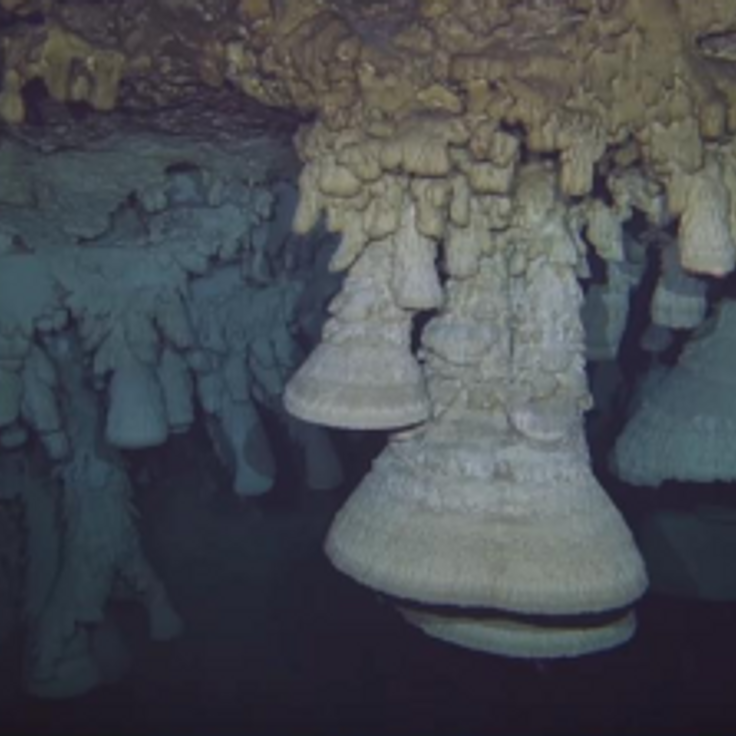
Chac Mool Cenote is part of Quintana Roo's alternative destinations, offering an underground system of three connected caves with stalactites. The Kukulkan chamber features natural light effects that create shifting patterns on the cave walls. This cenote allows visitors to experience the region's geological wonders and connects to the area's rich natural heritage.
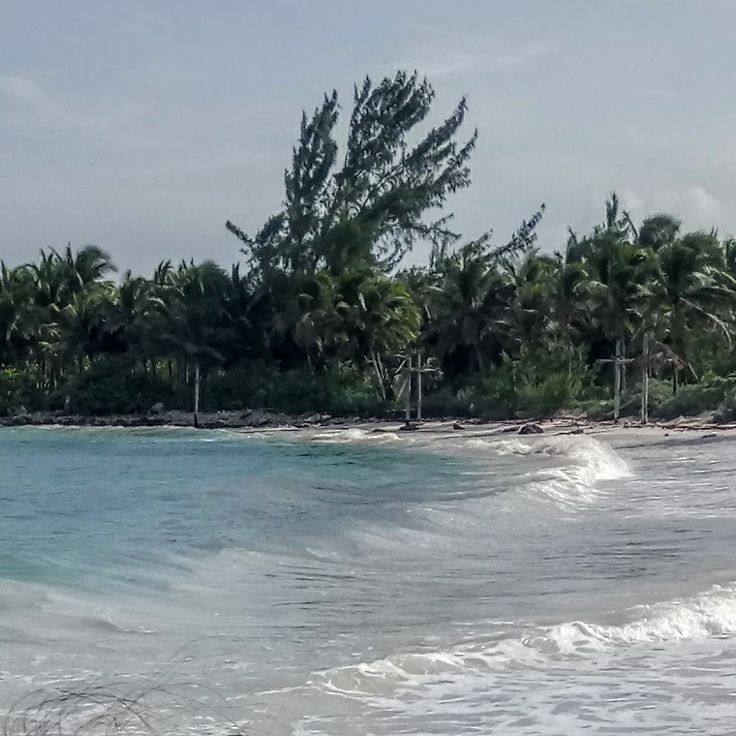
Playa Paraíso sits near Tulum as a beach with white sand and palm trees. The water here is warm and inviting for swimming. This location fits perfectly among the alternative destinations in Quintana Roo, where travelers encounter untouched beaches and the region's natural environment.
Cenote Angelita is a diving site for experienced divers near Tulum. At about 30 meters depth, there is a hydrogen sulfide layer that creates the appearance of an underwater flow. This cenote demonstrates the geological wonders found throughout Quintana Roo, where underground caves and natural freshwater pools are part of the region's landscape and offer encounters with Mexico's natural heritage.
Chikin Ha Cenote Park in Playa del Carmen features several cenotes connected by jungle paths. Visitors walk between the water caves and explore the underground formations that define this region. The park allows you to experience the natural geology of Quintana Roo while enjoying the local landscape and encountering the environment that shapes Mexican culture in this area.
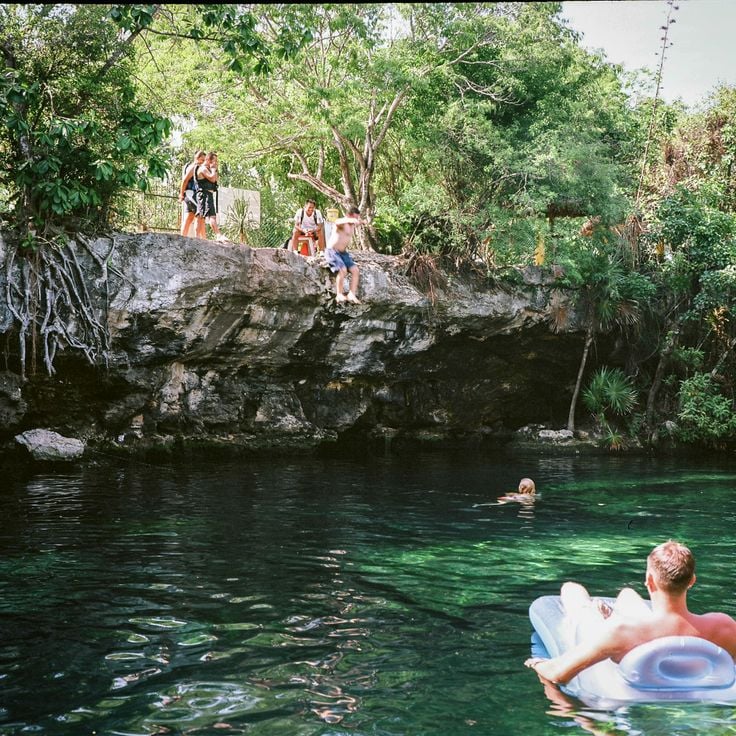
This cenote in Tulum is a natural sinkhole you'll encounter while exploring the alternative destinations of Quintana Roo. It features a jumping platform and reaches about 3 meters deep. The water invites you to swim and offers a refreshing break while discovering this region's caves and natural sites.
LabnaHa Eco Park in Tulum showcases the natural wonders of Quintana Roo through its underground river system and cenotes. The park offers cable rides soaring above the jungle canopy and clearly marked trails that wind through the vegetation. Visitors can explore this location to experience the region's landscape and encounter the natural areas that define this part of Mexico.
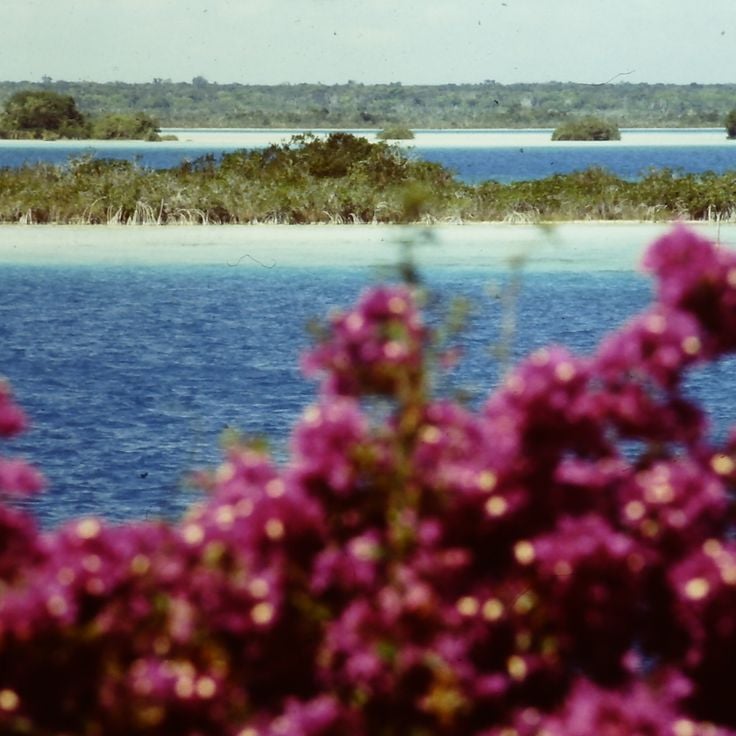
Laguna de Bacalar is a freshwater lake in the Quintana Roo region displaying seven distinct blue shades. The shallow waters allow swimming at various depths. This lake offers an alternative to typical beach destinations, combining nature with opportunities for relaxation and exploring the local area.
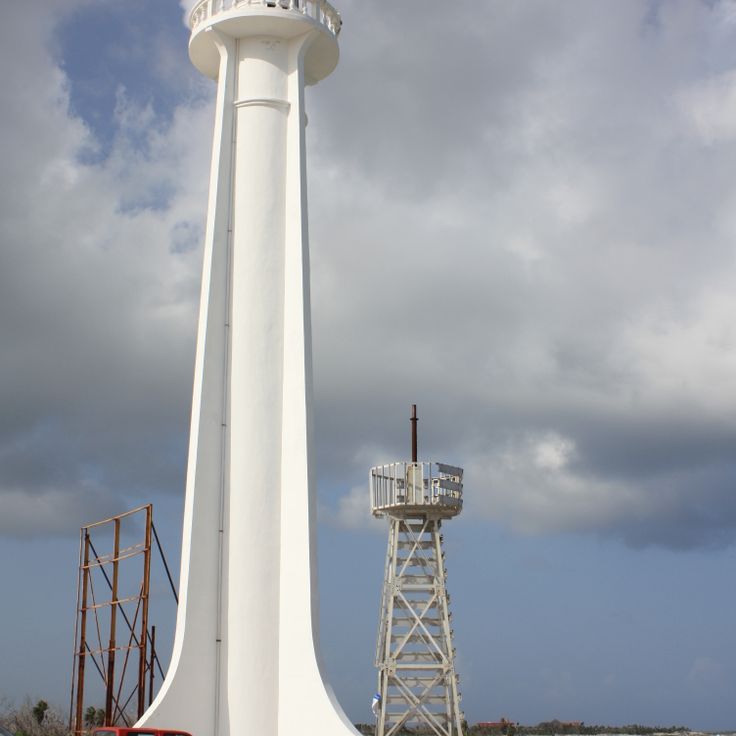
Majahual Lighthouse stands on the coast and offers views of the Caribbean Sea and coral reefs in the area. As an alternative destination in Quintana Roo, this lighthouse allows visitors to connect with Mexican coastal culture and the natural beauty of the sea.
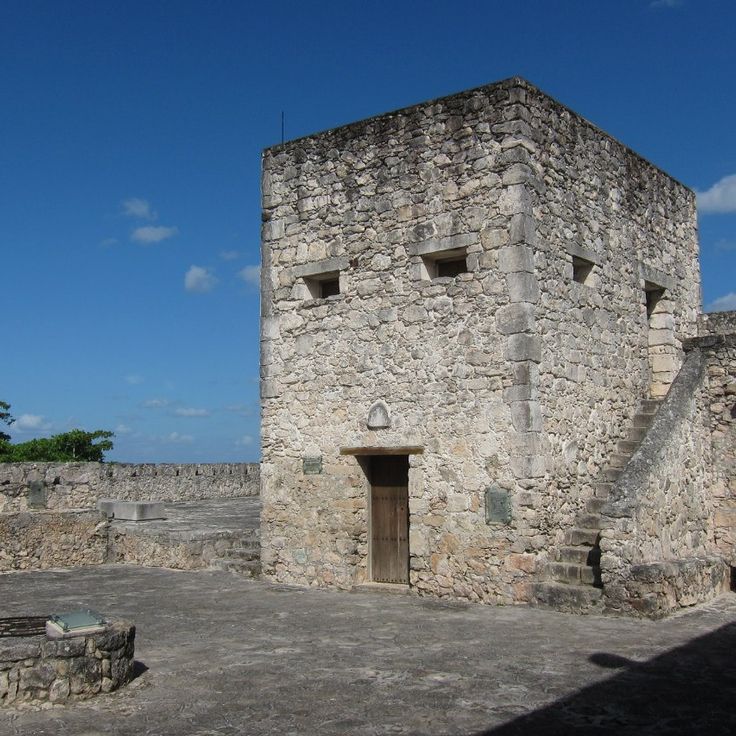
San Felipe Fort is an 18th-century Spanish fortification in Bacalar. This alternative destination in Quintana Roo displays military equipment and colonial artifacts. Visitors can explore the history of this fortress and learn about Spanish rule in the region.
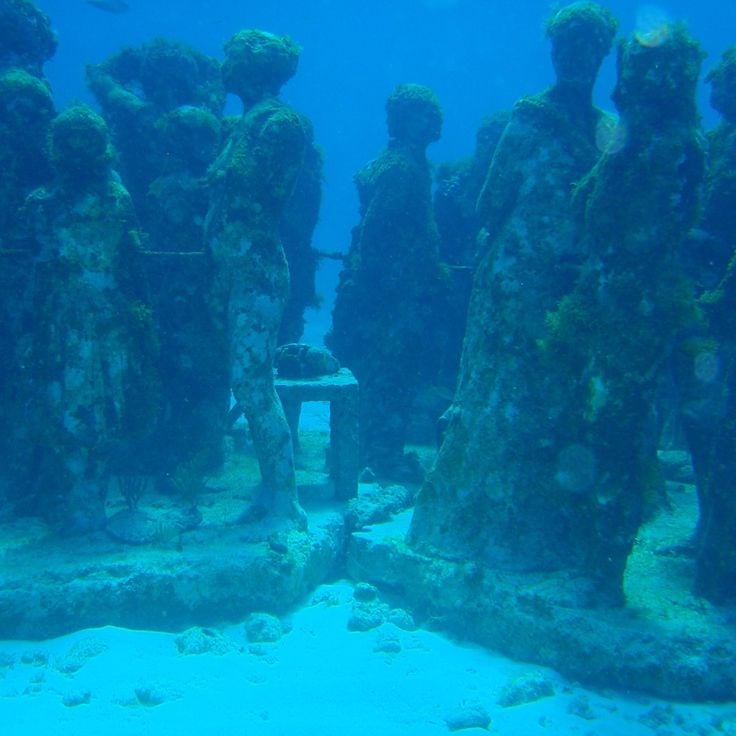
The Underwater Museum of Cancun displays over 500 sculptures on the seabed that form artificial reefs for marine organisms. As an alternative destination in Quintana Roo, this museum lets visitors experience the connection between art and nature. You can explore the exhibition through diving or snorkeling while encountering the local marine environment.
Cenote Sac Actun is an underground system of connected rivers and caves in Quintana Roo. The water stays at 24°C year-round, letting visitors see limestone formations beneath the surface. This site offers a chance to explore the hidden natural features of this Mexican region, where caves and underground waters are part of local life and traditions.
Muyil Ruins presents an ancient Maya settlement with structures spanning centuries of history. The site sits within the jungle and reveals how the Maya connected to Caribbean trade networks. Visiting here allows you to explore the region's history and culture while experiencing the natural environment of Quintana Roo.
This national park on Isla Contoy serves as an alternative to more crowded destinations in Quintana Roo. The island covers 230 hectares and is home to 152 bird species. Four distinct ecosystems shape the landscape: mangrove forests, sand dunes, lagoons, and coral reefs. Visitors can observe seabirds and explore the natural environment of the Gulf of Mexico, experiencing a less-visited coastal region.
Laguna Kaan Luum is a natural lagoon near Tulum with a central cenote that reaches approximately 80 meters deep. The water transitions from turquoise at the edges to dark blue at the center. This lagoon exemplifies the geological features of Quintana Roo, where underground caves and water sources shape the landscape. The location offers visitors a chance to experience the natural characteristics of this coastal region and understand how water systems define the area.
This lagoon in Akumal offers a gentle place to snorkel in Quintana Roo. The water here mixes fresh and salt water, creating an unusual habitat. You can see colorful fish and corals without swimming far from shore. The lagoon sits near Mayan ruins and cenotes, showing the natural diversity that makes this region special for travelers seeking both nature and local culture.
Xcacel Beach is a natural reserve in Tulum with white sand and a cenote. This location in Quintana Roo offers a way to experience Mexican nature, and sea turtles nest here from May to October.
Casa Cenote is an open freshwater pool in Tulum that connects to the ocean and mangrove forests. The water is clear and reveals underwater rock formations. This location offers a chance to explore the natural waters and local vegetation of Quintana Roo, which are characteristic of the region.
Kohunlich is a Maya archaeological site within a region known for remote beaches, Mayan ruins, and natural areas. This site features large plazas and temples dating to the 6th century. The Temple of Masks displays large stucco decorations and offers a chance to experience Mexican culture in a jungle setting.
Soliman Bay offers a place for visitors exploring the remote beaches and natural areas of Quintana Roo. This small bay sits among coral reefs and features calm waters with turquoise lagoons for snorkeling. Here, travelers can encounter Mexican nature up close while staying away from the busier tourist spots.
Punta Allen is a fishing village within the Sian Ka'an reserve. You will find small restaurants serving fresh-caught seafood and boat tours that take you fishing. The place lets you experience how local communities live and work with the sea.
San Gervasio Mayan Site on Cozumel was a religious center of the Maya with temples and altars from the 7th century. This is one of the alternative destinations in Quintana Roo where you can discover Maya history surrounded by nature. Archaeologists found offerings to the goddess Ixchel here. The ruins show how the Maya lived and worshiped.
Naharon Cenote (Cenote Esqueleto) is an underground freshwater lake in Quintana Roo that features long cave passages reaching 90 meters deep. This cenote represents the natural wonders that define the region, where underwater caves and freshwater pools shape the landscape. It offers visitors a glimpse into the geological features that make Quintana Roo a destination for those seeking encounters with Mexico's natural formations.
Paamul Beach is a small coastal section in Quintana Roo that offers coral reefs for snorkeling. The beach has shaded areas beneath coconut trees where visitors can rest. This location fits the region's alternative destinations that combine nature and local experiences.
Punta Maroma is a beach near Playa del Carmen that stretches 500 meters along the coast. The water is turquoise and the sand is white. Natural vegetation and trees surround the shoreline, creating a sense of separation from developed areas. This location offers an alternative for visitors exploring Quintana Roo's beaches without seeking the most popular spots. The beach provides a quiet place to swim and relax near Playa del Carmen.
Cenote Azul is a natural water basin near Bacalar in Quintana Roo, representing one of the region's alternative destinations. It reaches a depth of about 30 meters and features clear water perfect for swimming. Visitors can observe underwater rock formations and geological features beneath the surface. The site offers a direct encounter with Mexico's natural landscapes.
Chen Rio is a beach on Cozumel with natural rock pools and a bay with calm water. As an alternative destination in Quintana Roo, this beach offers swimming and snorkeling away from crowded tourist spots. The location reflects local Mexican life and lets visitors enjoy the natural surroundings at a slower pace.
This archaeological site of El Rey lies between modern hotels in Cancún, showing how ancient Maya culture exists alongside today's development. Visitors can explore 47 stone structures and two main temples, offering a window into the history of this Quintana Roo region that blends past and present.
El Mirador Viewpoint is a lookout on Cozumel that fits into the alternative destinations of Quintana Roo. From here you can see the Caribbean Sea, with its cliffs, waves, and natural coastline. The location offers a direct view of the ocean and the coastal landscape that defines this region.
El Meco Archaeological Zone is a Maya site in Cancún with 14 structures from the post-classic period. The main temple rises about 12.5 meters high. This site offers a window into the world of Maya civilization as it developed in Quintana Roo, showing how people lived and built communities in this region hundreds of years ago.
Zapote Cenote is an underground water pool located in Puerto Morelos, representing the natural water formations found throughout Quintana Roo. This cenote features mineral deposits and reaches a depth of 70 meters, displaying the distinct limestone layers that form these geological structures. Visitors can experience the raw geology of these underground caves, which have served as water sources for the region's inhabitants for centuries.
Cenote Cristalino is a natural freshwater pool in Playa del Carmen, one of the alternative destinations in Quintana Roo. This cenote shows the geological character of the region, where water collects in underground caves. You can swim and snorkel while watching freshwater fish move through the water. The pool reaches about 20 feet (6 meters) deep, inviting you to explore. This place lets you experience how nature shapes daily life in this part of Mexico.
Xpu-ha Beach extends along the coast with white sand and turquoise water where visitors can swim. This beach offers a quieter alternative to busier destinations in Quintana Roo, letting travelers experience the natural shoreline and local surroundings without the crowds typical of other coastal areas.
Chac Mool Cenote is part of Quintana Roo's alternative destinations, offering an underground system of three connected caves with stalactites. The Kukulkan chamber features natural light effects that create shifting patterns on the cave walls. This cenote allows visitors to experience the region's geological wonders and connects to the area's rich natural heritage.
Playa Paraíso sits near Tulum as a beach with white sand and palm trees. The water here is warm and inviting for swimming. This location fits perfectly among the alternative destinations in Quintana Roo, where travelers encounter untouched beaches and the region's natural environment.
Cenote Angelita is a diving site for experienced divers near Tulum. At about 30 meters depth, there is a hydrogen sulfide layer that creates the appearance of an underwater flow. This cenote demonstrates the geological wonders found throughout Quintana Roo, where underground caves and natural freshwater pools are part of the region's landscape and offer encounters with Mexico's natural heritage.
Chikin Ha Cenote Park in Playa del Carmen features several cenotes connected by jungle paths. Visitors walk between the water caves and explore the underground formations that define this region. The park allows you to experience the natural geology of Quintana Roo while enjoying the local landscape and encountering the environment that shapes Mexican culture in this area.
This cenote in Tulum is a natural sinkhole you'll encounter while exploring the alternative destinations of Quintana Roo. It features a jumping platform and reaches about 3 meters deep. The water invites you to swim and offers a refreshing break while discovering this region's caves and natural sites.
LabnaHa Eco Park in Tulum showcases the natural wonders of Quintana Roo through its underground river system and cenotes. The park offers cable rides soaring above the jungle canopy and clearly marked trails that wind through the vegetation. Visitors can explore this location to experience the region's landscape and encounter the natural areas that define this part of Mexico.
Laguna de Bacalar is a freshwater lake in the Quintana Roo region displaying seven distinct blue shades. The shallow waters allow swimming at various depths. This lake offers an alternative to typical beach destinations, combining nature with opportunities for relaxation and exploring the local area.
Majahual Lighthouse stands on the coast and offers views of the Caribbean Sea and coral reefs in the area. As an alternative destination in Quintana Roo, this lighthouse allows visitors to connect with Mexican coastal culture and the natural beauty of the sea.
San Felipe Fort is an 18th-century Spanish fortification in Bacalar. This alternative destination in Quintana Roo displays military equipment and colonial artifacts. Visitors can explore the history of this fortress and learn about Spanish rule in the region.
The Underwater Museum of Cancun displays over 500 sculptures on the seabed that form artificial reefs for marine organisms. As an alternative destination in Quintana Roo, this museum lets visitors experience the connection between art and nature. You can explore the exhibition through diving or snorkeling while encountering the local marine environment.
Cenote Sac Actun is an underground system of connected rivers and caves in Quintana Roo. The water stays at 24°C year-round, letting visitors see limestone formations beneath the surface. This site offers a chance to explore the hidden natural features of this Mexican region, where caves and underground waters are part of local life and traditions.
Muyil Ruins presents an ancient Maya settlement with structures spanning centuries of history. The site sits within the jungle and reveals how the Maya connected to Caribbean trade networks. Visiting here allows you to explore the region's history and culture while experiencing the natural environment of Quintana Roo.
This national park on Isla Contoy serves as an alternative to more crowded destinations in Quintana Roo. The island covers 230 hectares and is home to 152 bird species. Four distinct ecosystems shape the landscape: mangrove forests, sand dunes, lagoons, and coral reefs. Visitors can observe seabirds and explore the natural environment of the Gulf of Mexico, experiencing a less-visited coastal region.
Laguna Kaan Luum is a natural lagoon near Tulum with a central cenote that reaches approximately 80 meters deep. The water transitions from turquoise at the edges to dark blue at the center. This lagoon exemplifies the geological features of Quintana Roo, where underground caves and water sources shape the landscape. The location offers visitors a chance to experience the natural characteristics of this coastal region and understand how water systems define the area.
This lagoon in Akumal offers a gentle place to snorkel in Quintana Roo. The water here mixes fresh and salt water, creating an unusual habitat. You can see colorful fish and corals without swimming far from shore. The lagoon sits near Mayan ruins and cenotes, showing the natural diversity that makes this region special for travelers seeking both nature and local culture.
Xcacel Beach is a natural reserve in Tulum with white sand and a cenote. This location in Quintana Roo offers a way to experience Mexican nature, and sea turtles nest here from May to October.
Casa Cenote is an open freshwater pool in Tulum that connects to the ocean and mangrove forests. The water is clear and reveals underwater rock formations. This location offers a chance to explore the natural waters and local vegetation of Quintana Roo, which are characteristic of the region.
Kohunlich is a Maya archaeological site within a region known for remote beaches, Mayan ruins, and natural areas. This site features large plazas and temples dating to the 6th century. The Temple of Masks displays large stucco decorations and offers a chance to experience Mexican culture in a jungle setting.
Soliman Bay offers a place for visitors exploring the remote beaches and natural areas of Quintana Roo. This small bay sits among coral reefs and features calm waters with turquoise lagoons for snorkeling. Here, travelers can encounter Mexican nature up close while staying away from the busier tourist spots.
Punta Allen is a fishing village within the Sian Ka'an reserve. You will find small restaurants serving fresh-caught seafood and boat tours that take you fishing. The place lets you experience how local communities live and work with the sea.
San Gervasio Mayan Site on Cozumel was a religious center of the Maya with temples and altars from the 7th century. This is one of the alternative destinations in Quintana Roo where you can discover Maya history surrounded by nature. Archaeologists found offerings to the goddess Ixchel here. The ruins show how the Maya lived and worshiped.
Naharon Cenote (Cenote Esqueleto) is an underground freshwater lake in Quintana Roo that features long cave passages reaching 90 meters deep. This cenote represents the natural wonders that define the region, where underwater caves and freshwater pools shape the landscape. It offers visitors a glimpse into the geological features that make Quintana Roo a destination for those seeking encounters with Mexico's natural formations.
Paamul Beach is a small coastal section in Quintana Roo that offers coral reefs for snorkeling. The beach has shaded areas beneath coconut trees where visitors can rest. This location fits the region's alternative destinations that combine nature and local experiences.
Punta Maroma is a beach near Playa del Carmen that stretches 500 meters along the coast. The water is turquoise and the sand is white. Natural vegetation and trees surround the shoreline, creating a sense of separation from developed areas. This location offers an alternative for visitors exploring Quintana Roo's beaches without seeking the most popular spots. The beach provides a quiet place to swim and relax near Playa del Carmen.
Cenote Azul is a natural water basin near Bacalar in Quintana Roo, representing one of the region's alternative destinations. It reaches a depth of about 30 meters and features clear water perfect for swimming. Visitors can observe underwater rock formations and geological features beneath the surface. The site offers a direct encounter with Mexico's natural landscapes.
Chen Rio is a beach on Cozumel with natural rock pools and a bay with calm water. As an alternative destination in Quintana Roo, this beach offers swimming and snorkeling away from crowded tourist spots. The location reflects local Mexican life and lets visitors enjoy the natural surroundings at a slower pace.
This archaeological site of El Rey lies between modern hotels in Cancún, showing how ancient Maya culture exists alongside today's development. Visitors can explore 47 stone structures and two main temples, offering a window into the history of this Quintana Roo region that blends past and present.
El Mirador Viewpoint is a lookout on Cozumel that fits into the alternative destinations of Quintana Roo. From here you can see the Caribbean Sea, with its cliffs, waves, and natural coastline. The location offers a direct view of the ocean and the coastal landscape that defines this region.
El Meco Archaeological Zone is a Maya site in Cancún with 14 structures from the post-classic period. The main temple rises about 12.5 meters high. This site offers a window into the world of Maya civilization as it developed in Quintana Roo, showing how people lived and built communities in this region hundreds of years ago.
Zapote Cenote is an underground water pool located in Puerto Morelos, representing the natural water formations found throughout Quintana Roo. This cenote features mineral deposits and reaches a depth of 70 meters, displaying the distinct limestone layers that form these geological structures. Visitors can experience the raw geology of these underground caves, which have served as water sources for the region's inhabitants for centuries.
Cenote Cristalino is a natural freshwater pool in Playa del Carmen, one of the alternative destinations in Quintana Roo. This cenote shows the geological character of the region, where water collects in underground caves. You can swim and snorkel while watching freshwater fish move through the water. The pool reaches about 20 feet (6 meters) deep, inviting you to explore. This place lets you experience how nature shapes daily life in this part of Mexico.
Xpu-ha Beach extends along the coast with white sand and turquoise water where visitors can swim. This beach offers a quieter alternative to busier destinations in Quintana Roo, letting travelers experience the natural shoreline and local surroundings without the crowds typical of other coastal areas.
Chac Mool Cenote is part of Quintana Roo's alternative destinations, offering an underground system of three connected caves with stalactites. The Kukulkan chamber features natural light effects that create shifting patterns on the cave walls. This cenote allows visitors to experience the region's geological wonders and connects to the area's rich natural heritage.
Playa Paraíso sits near Tulum as a beach with white sand and palm trees. The water here is warm and inviting for swimming. This location fits perfectly among the alternative destinations in Quintana Roo, where travelers encounter untouched beaches and the region's natural environment.
Cenote Angelita is a diving site for experienced divers near Tulum. At about 30 meters depth, there is a hydrogen sulfide layer that creates the appearance of an underwater flow. This cenote demonstrates the geological wonders found throughout Quintana Roo, where underground caves and natural freshwater pools are part of the region's landscape and offer encounters with Mexico's natural heritage.
Chikin Ha Cenote Park in Playa del Carmen features several cenotes connected by jungle paths. Visitors walk between the water caves and explore the underground formations that define this region. The park allows you to experience the natural geology of Quintana Roo while enjoying the local landscape and encountering the environment that shapes Mexican culture in this area.
This cenote in Tulum is a natural sinkhole you'll encounter while exploring the alternative destinations of Quintana Roo. It features a jumping platform and reaches about 3 meters deep. The water invites you to swim and offers a refreshing break while discovering this region's caves and natural sites.
LabnaHa Eco Park in Tulum showcases the natural wonders of Quintana Roo through its underground river system and cenotes. The park offers cable rides soaring above the jungle canopy and clearly marked trails that wind through the vegetation. Visitors can explore this location to experience the region's landscape and encounter the natural areas that define this part of Mexico.
Laguna de Bacalar is a freshwater lake in the Quintana Roo region displaying seven distinct blue shades. The shallow waters allow swimming at various depths. This lake offers an alternative to typical beach destinations, combining nature with opportunities for relaxation and exploring the local area.
Majahual Lighthouse stands on the coast and offers views of the Caribbean Sea and coral reefs in the area. As an alternative destination in Quintana Roo, this lighthouse allows visitors to connect with Mexican coastal culture and the natural beauty of the sea.
San Felipe Fort is an 18th-century Spanish fortification in Bacalar. This alternative destination in Quintana Roo displays military equipment and colonial artifacts. Visitors can explore the history of this fortress and learn about Spanish rule in the region.
The Underwater Museum of Cancun displays over 500 sculptures on the seabed that form artificial reefs for marine organisms. As an alternative destination in Quintana Roo, this museum lets visitors experience the connection between art and nature. You can explore the exhibition through diving or snorkeling while encountering the local marine environment.