San Gervasio, Maya archaeological site in Cozumel, Quintana Roo, Mexico
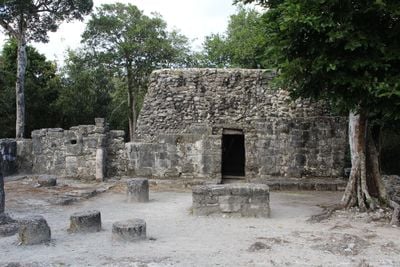
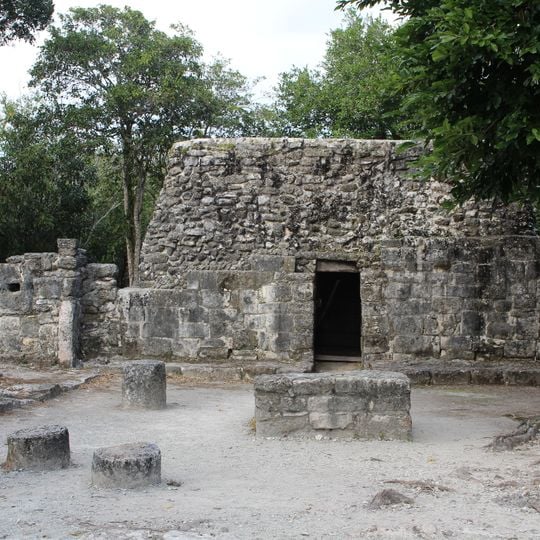
San Gervasio is a Maya archaeological site in the interior of northern Cozumel, about 7 km east of San Miguel de Cozumel. It consists of several building groups rather than a single centre, linked by sacbés, raised paved roads. The principal groups are Manitas, Chichán Nah, El Álamo, Nohoch Nah, Murciélagos, Ka'na Nah and El Ramonal. Most surviving buildings were constructed after about 1200 CE in the East Coast architectural style; many have lost their roofs and upper walls.
San Gervasio was founded around 300 CE as a small community above Cozumel's largest permanent source of groundwater. It grew rapidly from about 600, expanded significantly after 1000, possibly under the influence of Chichén Itzá, and by about 1200 had become the largest settlement on the island, remaining so until the Spanish arrived in the early 16th century. Most of the buildings visible today were built after 1200.
Women from across the Maya territory came here to make offerings to Ixchel, the goddess of fertility and healing. The temples reflect how important this deity was to many people seeking her protection and wisdom.
Visitors should allow time to walk between the different building groups, as they are spread across the site. Good footwear and sun protection are helpful, especially during the warmer parts of the day.
Chichán Nah means "Small House". The Postclassic temple just east of Las Manitas has an outer room leading to an inner sanctuary with an altar; INAH calls it an oratory in the East Coast style, and it is often linked to the household of the ruler at Las Manitas.
The community of curious travelers
AroundUs brings together thousands of curated places, local tips, and hidden gems, enriched daily by 94,361 contributors worldwide.