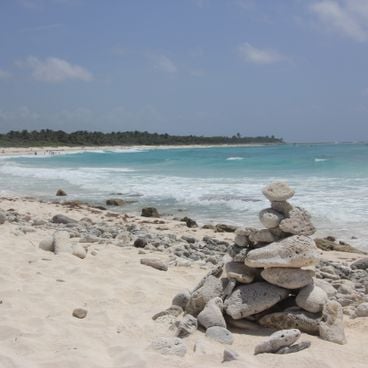
Mexico contains numerous undiscovered places beyond standard destinations. This selection presents sculpture gardens, caves, islands, colonial towns, volcanoes, Maya sites, oases, lagoons and nature reserves. The locations range from mineral pools in Oaxaca to desert landscapes in Sonora.
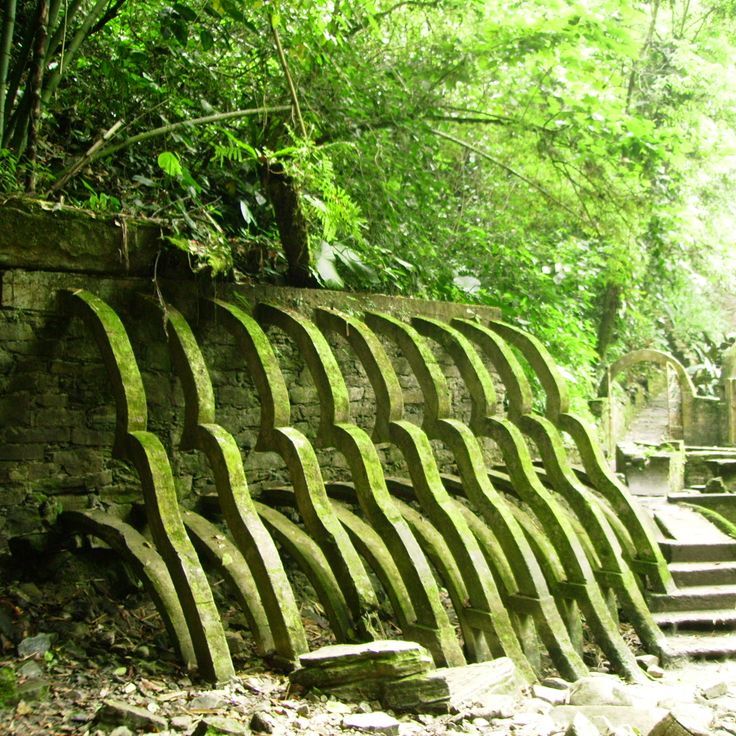
San Luis Potosí, Mexico
Garden with concrete sculptures among waterfalls and tropical vegetation in the jungle, created by Edward James between 1949 and 1984.
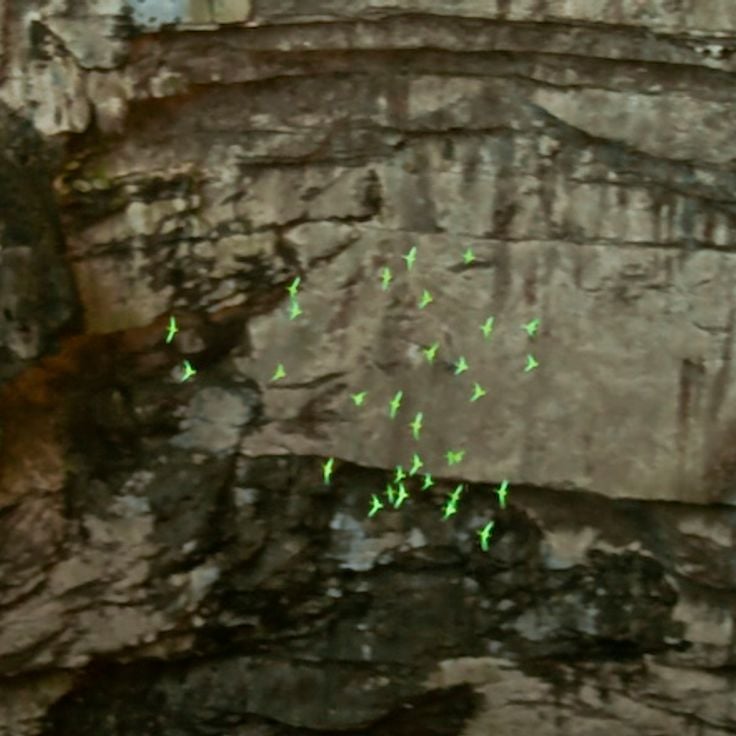
San Luis Potosí, Mexico
Vertical limestone shaft 370 meters deep, home to thousands of parrots and swifts that enter and exit daily.
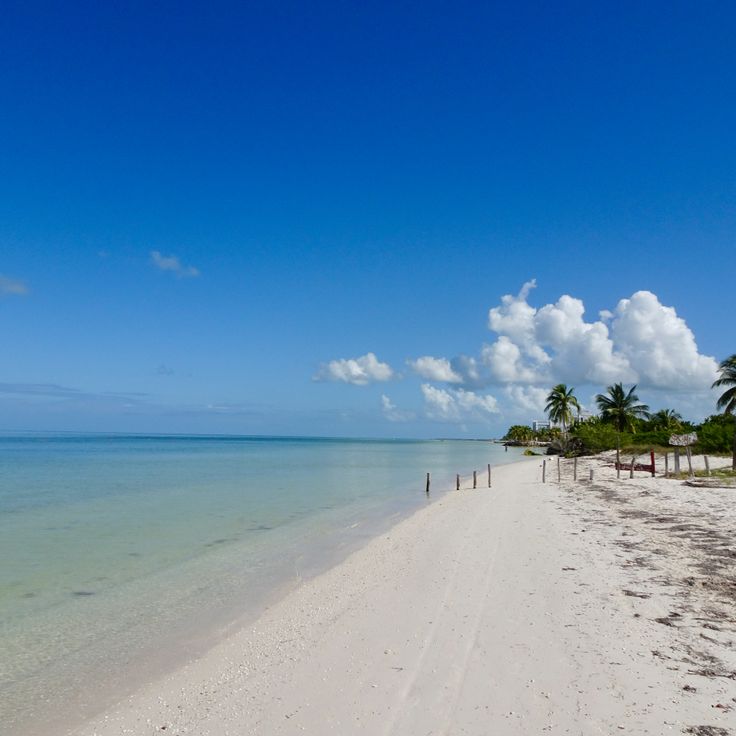
Quintana Roo, Mexico
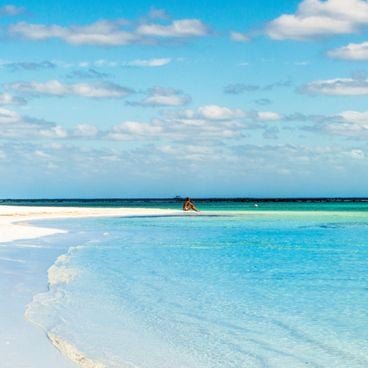
Car-free island with sand streets, white beaches and shallow water. Whale shark observation site between June and September.
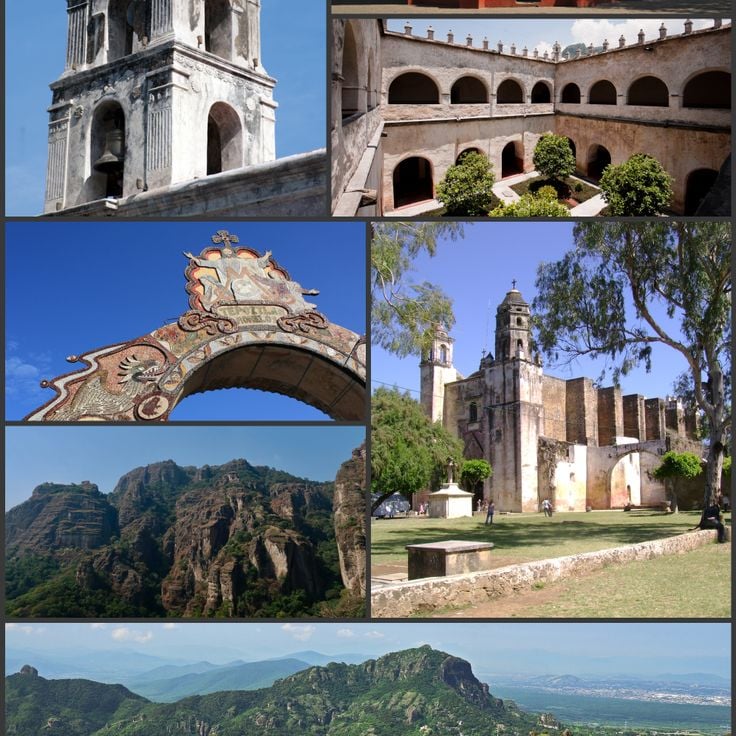
Morelos, Mexico
Town with Aztec pyramid on Tepozteco mountain. Traditional market with local food and crafts.

Oaxaca, Mexico
Mineral limestone formations create natural pools and cascades at 2000 meters elevation.

Michoacán, Mexico
Volcano formed in 1943 from a cornfield, reached 424 meters height and has been inactive since 1952.
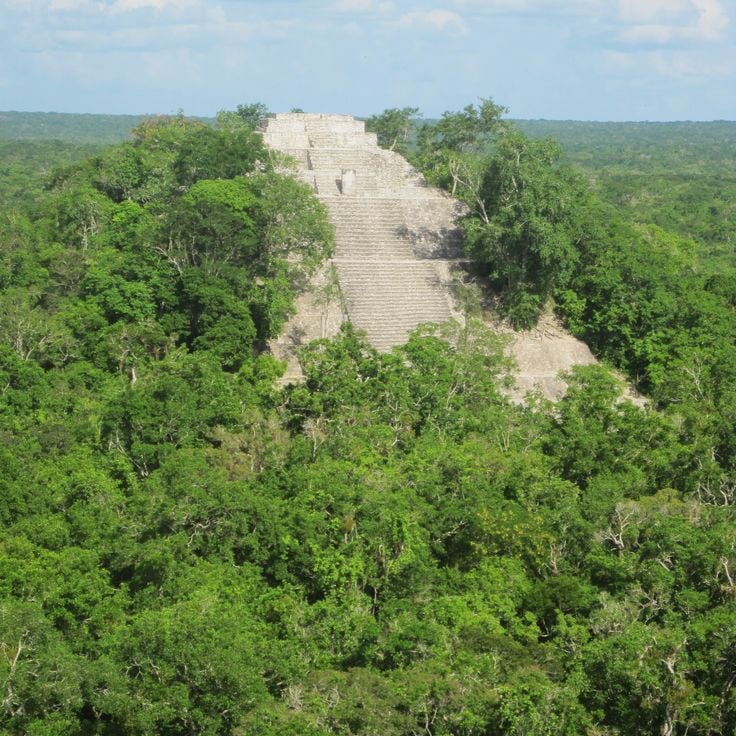
Campeche, Mexico
Maya ruins with 6500 structures in rainforest, two pyramids rise above the tree canopy.
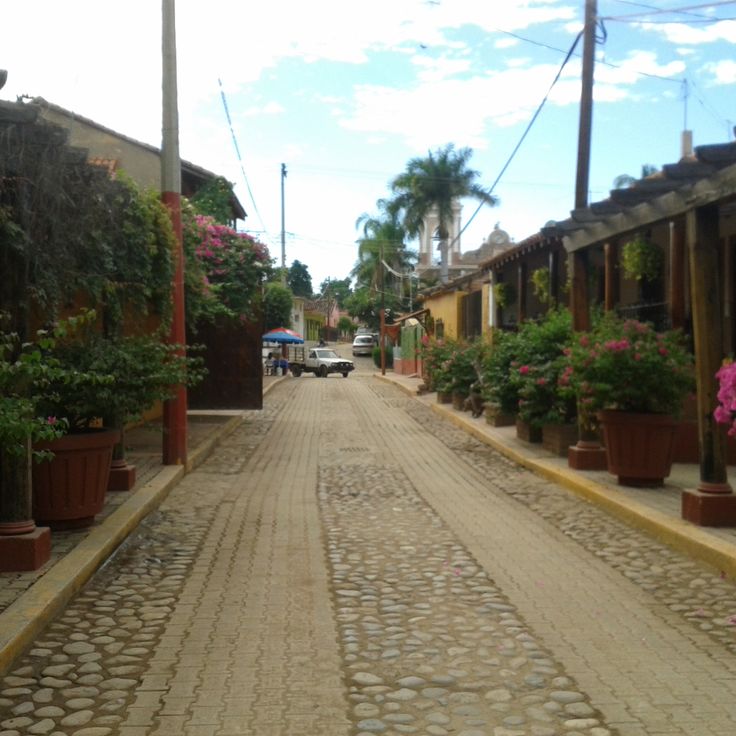
Sinaloa, Mexico
Colonial village with 1850 inhabitants, red tile roofs and regional gastronomy.
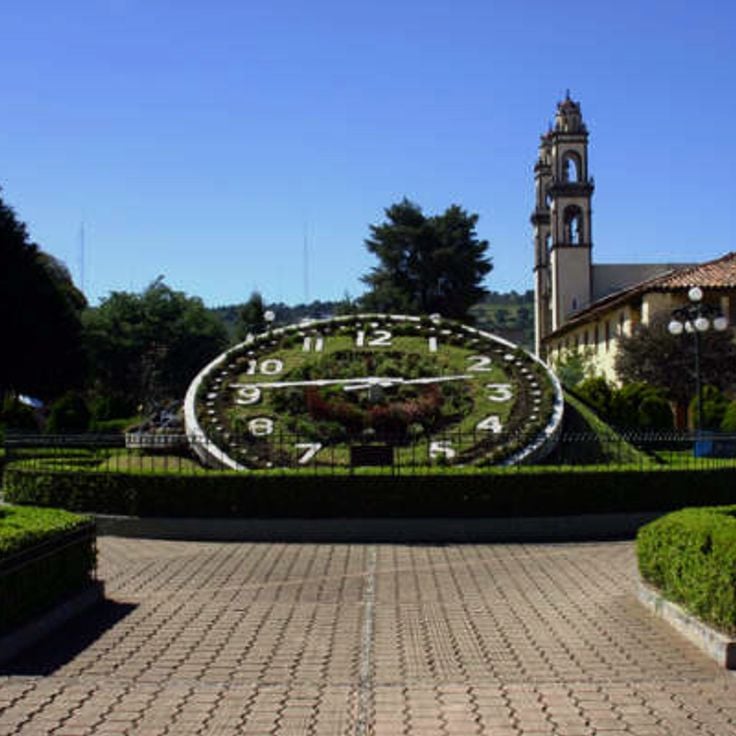
Puebla, Mexico
This city produces apples and processes them into cider. The house walls display large paintings with historical motifs.
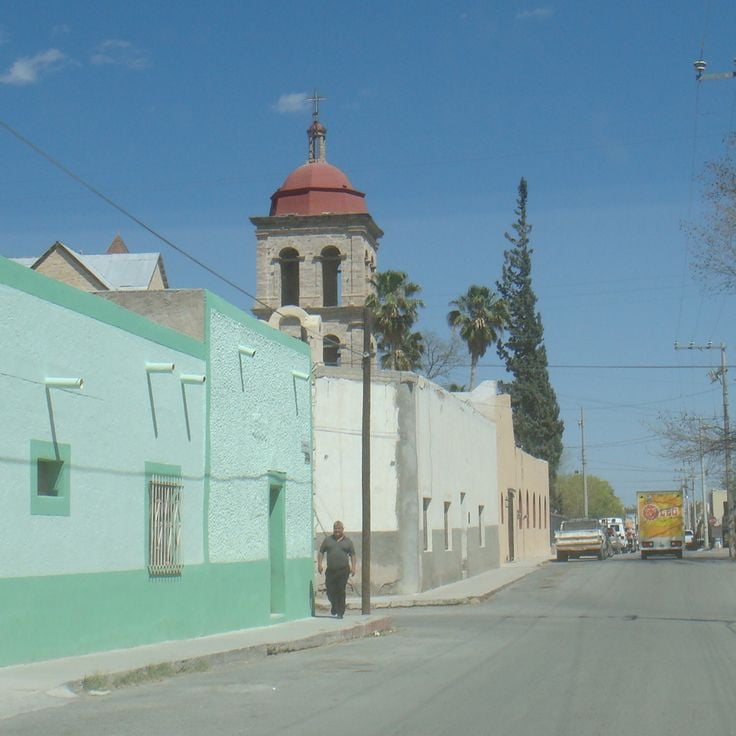
Coahuila, Mexico
Water sources in the desert form habitats for plants and animals that exist only in this location.

Querétaro, Mexico
The nature reserve encompasses mountains and valleys with different climate zones. Historical mission buildings stand among the vegetation.
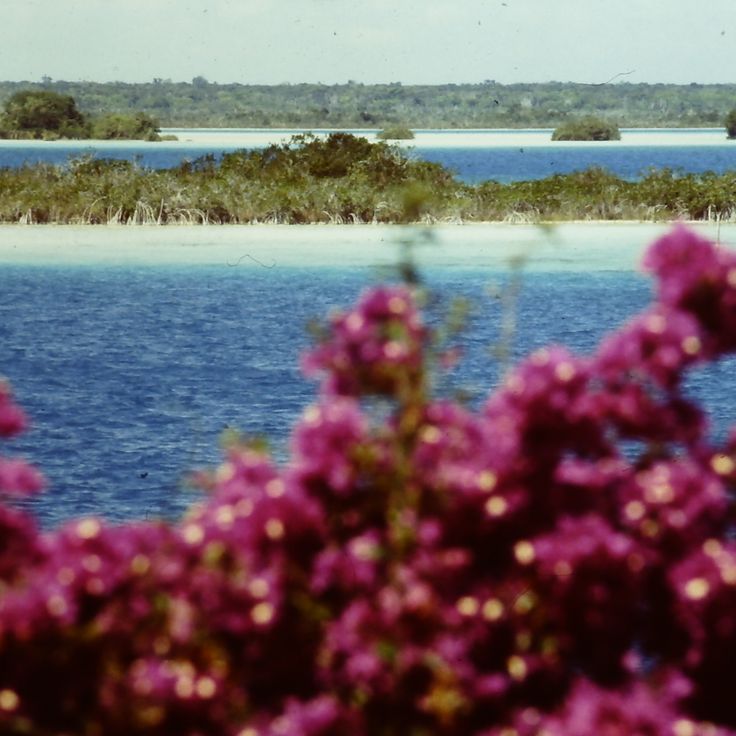
Quintana Roo, Mexico
The lake displays various blue colors due to different water depths and limestone deposits at the bottom.

State of Mexico, Mexico
This mountain town features a large lake for water sports, established paragliding zones and protected areas for monarch butterflies.
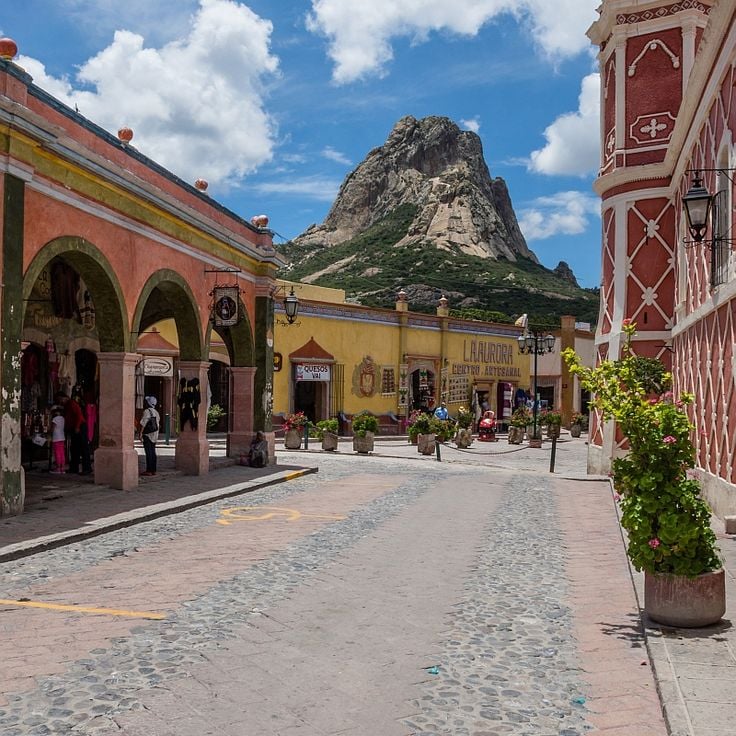
Querétaro, Mexico
This colonial settlement stands near a 433-meter monolith rock formation, with streets lined by 18th-century Spanish architecture.
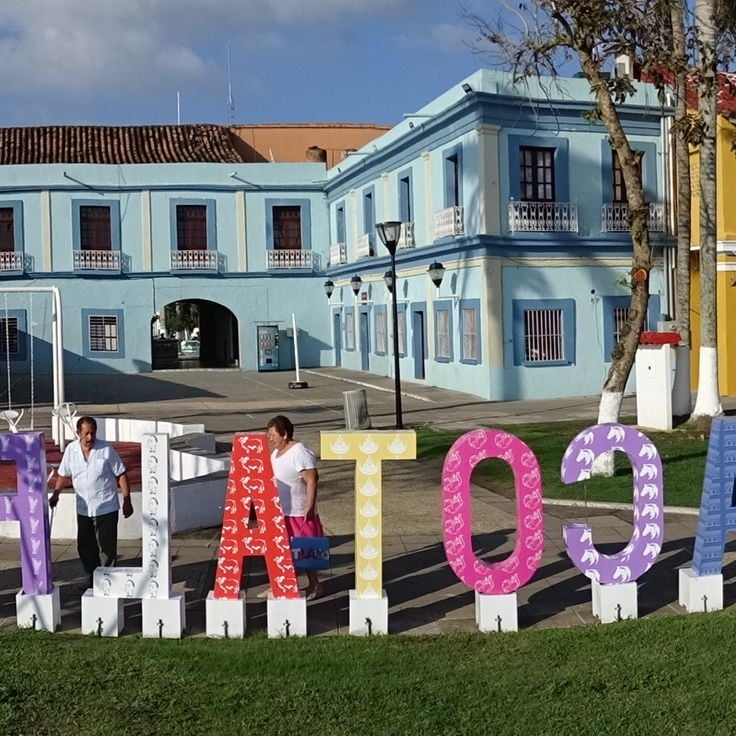
Veracruz, Mexico
This riverside port contains Mexican Caribbean architecture, hosting cultural events and traditional music performances throughout the year.
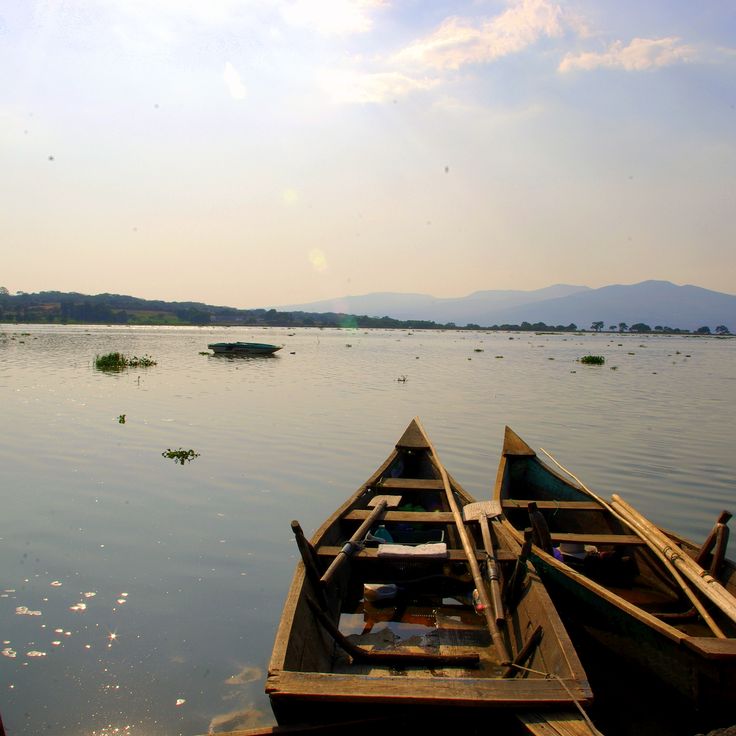
Guanajuato, Mexico
This volcanic lake spans 80 square kilometers and serves as a habitat for numerous water birds and migratory species.
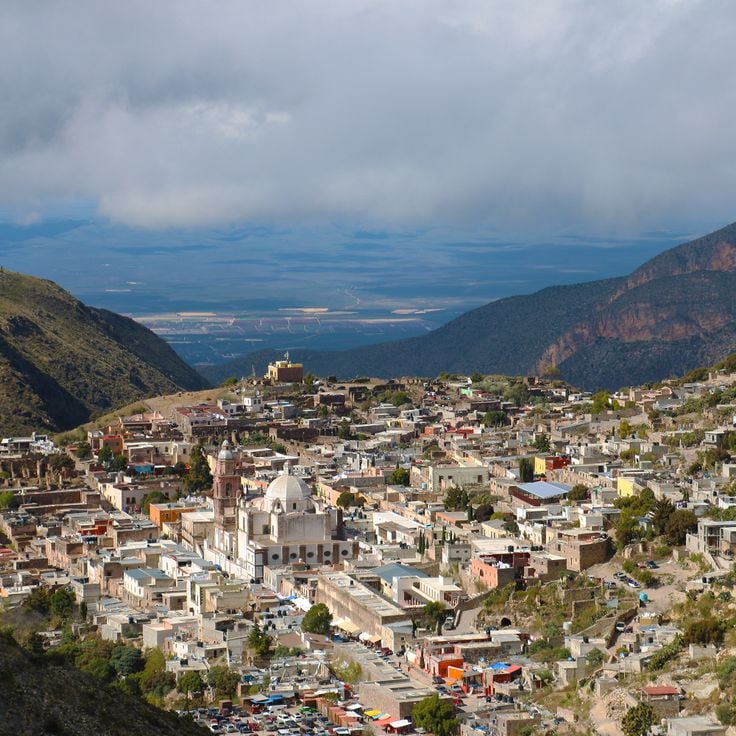
San Luis Potosí, Mexico
This mountain town at 2700 meters altitude was a major silver mining center in the 18th century. The streets are paved with cobblestones.
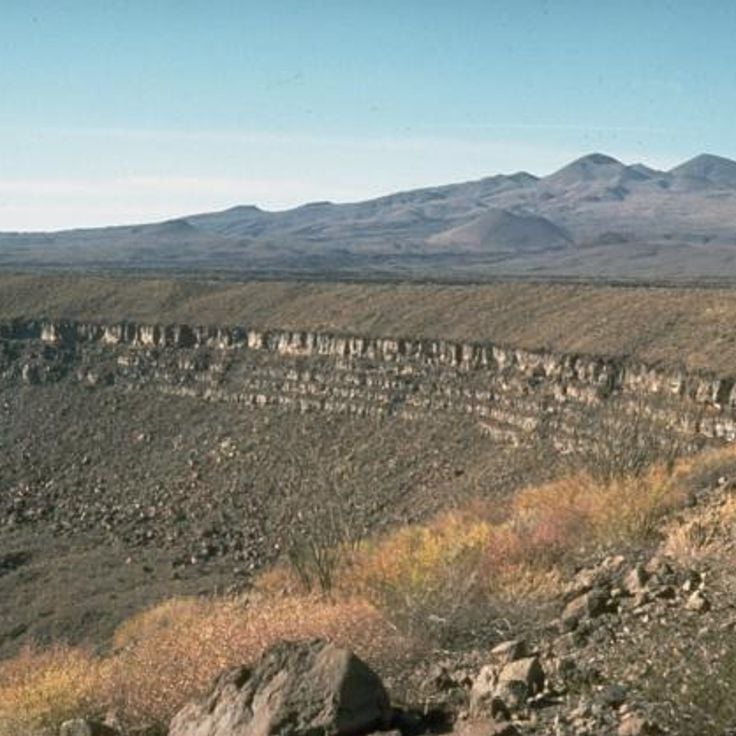
Sonora, Mexico
The protected area contains over 400 volcanic craters and extensive sand dunes. The black lava rocks contrast with the light sand.

Yucatán, Mexico
Fishing village with mangroves, salt marshes, and colonies of flamingos on the Yucatan Peninsula.
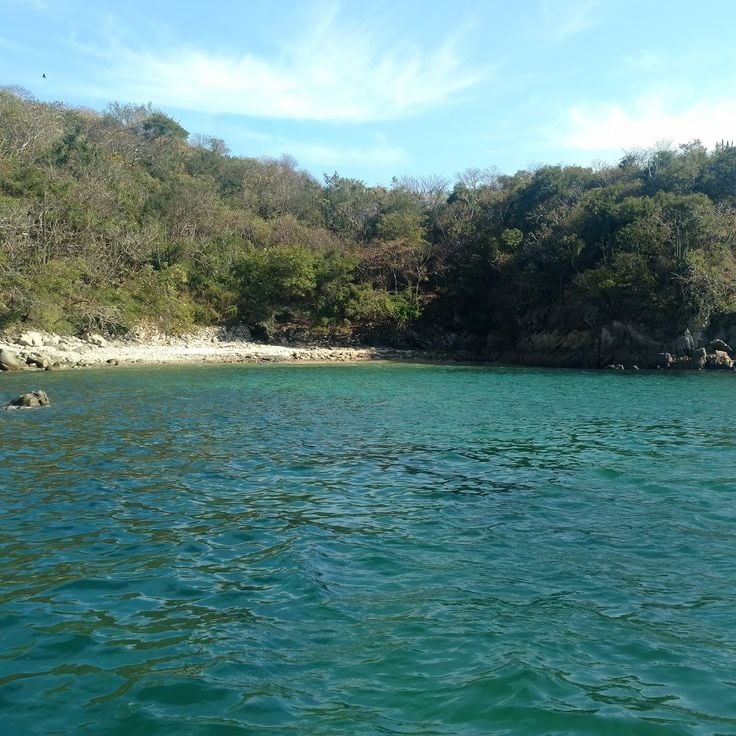
Oaxaca, Mexico
Coastal municipality with Copalita River, forests for hiking, and coffee plantations.
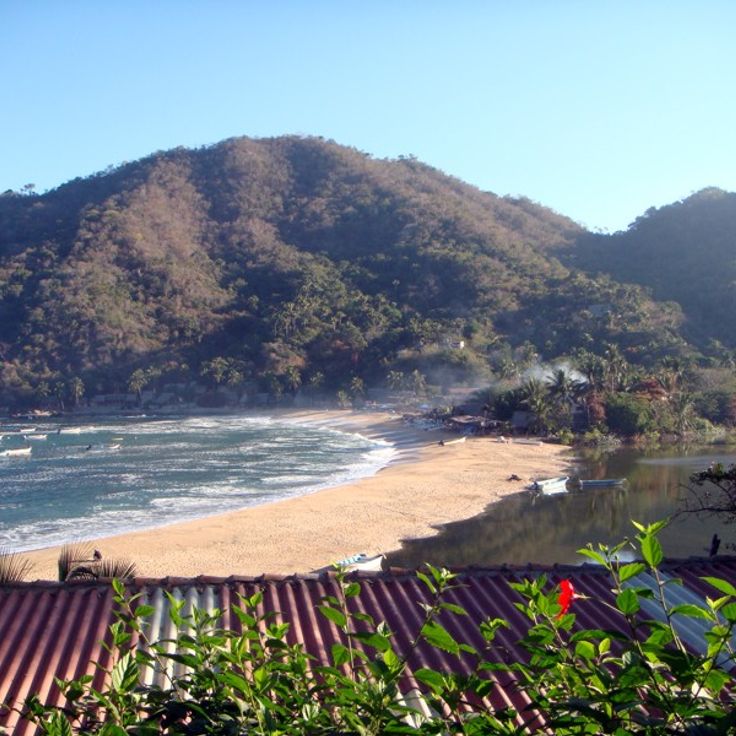
Jalisco, Mexico
Village only accessible by boat in a bay on the Pacific coast, whale watching area.
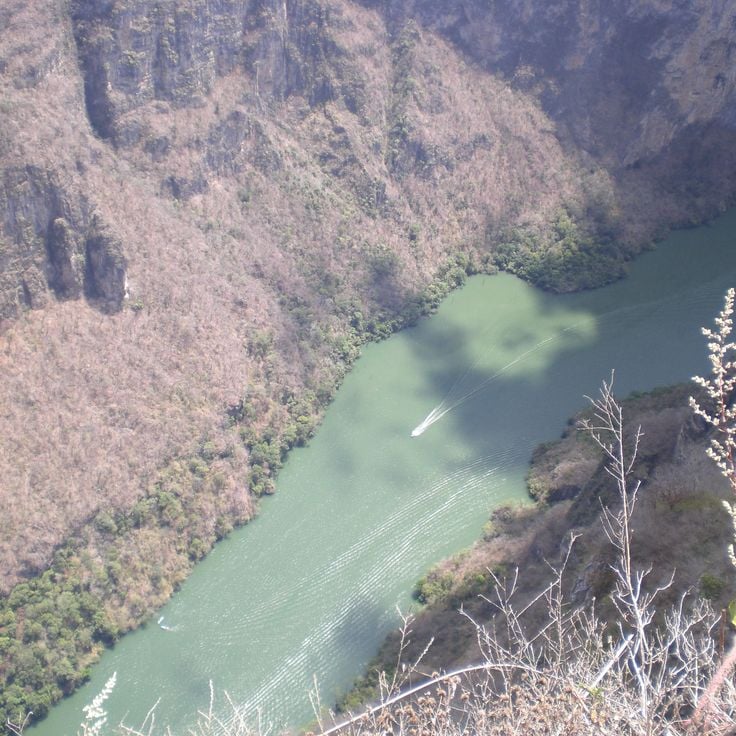
Chiapas, Mexico
Canyon with vertical cliffs along the Grijalva River, accessible by boat or scenic road.
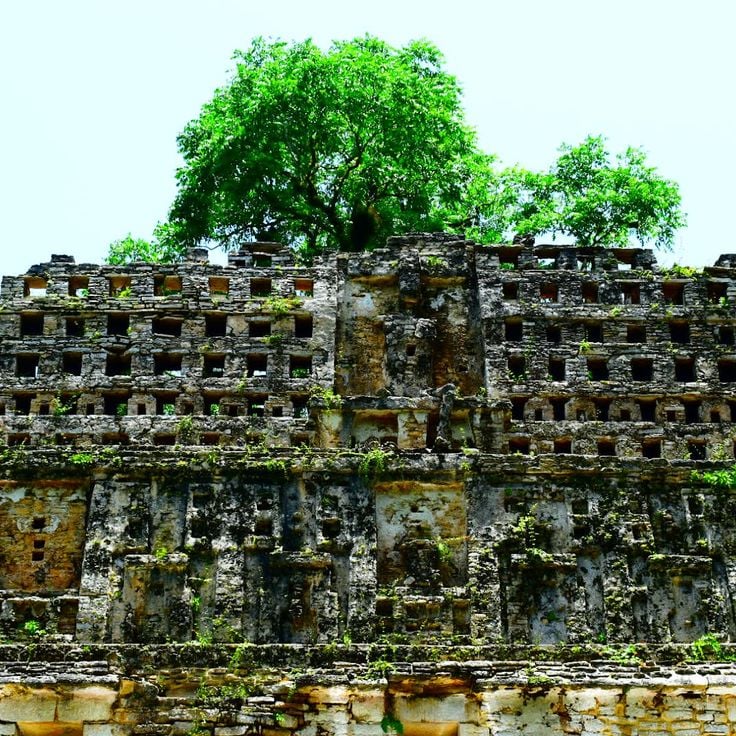
Chiapas, Mexico
Mayan site with sculptures and lintels in the jungle, accessible by canoe near the Guatemalan border.
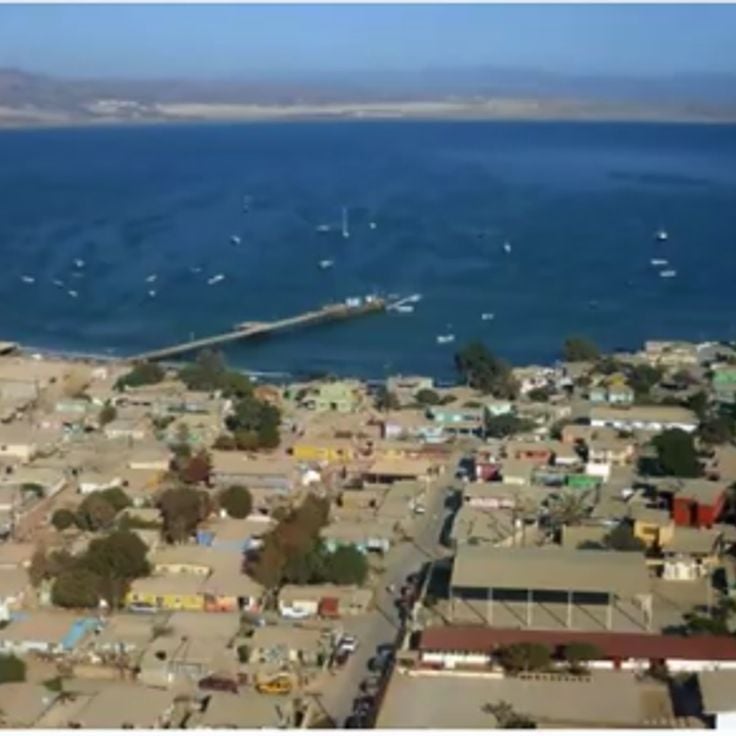
Baja California Sur, Mexico
Remote hamlet on the Pacific coast with diving sites and turtle observation.
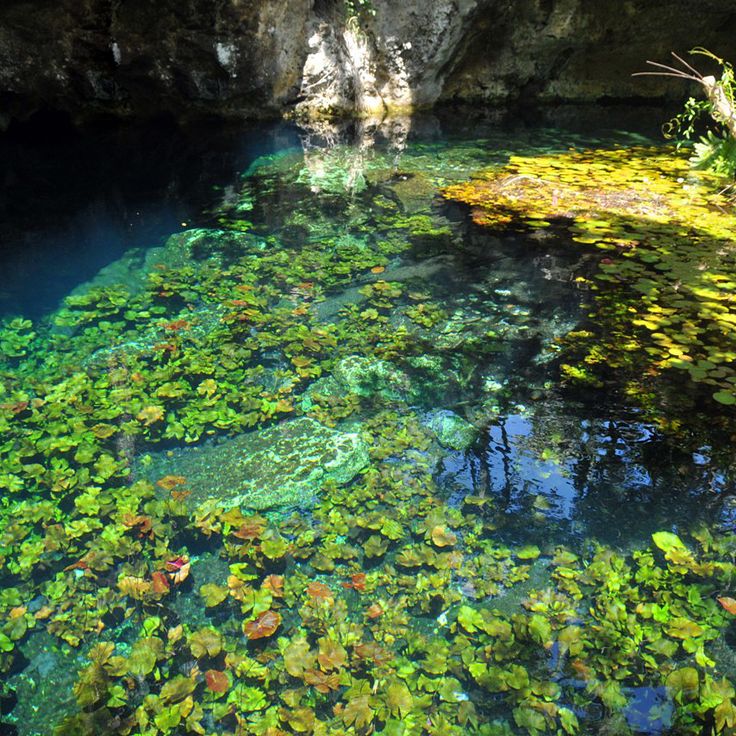
Tulum, Quintana Roo, Mexico
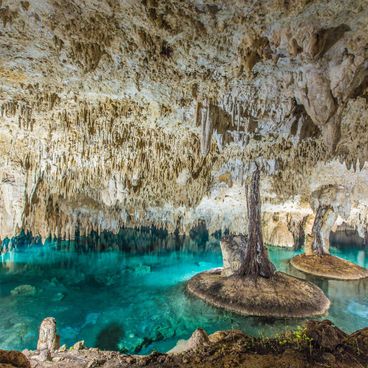
Rocky cave filled with clear water allowing swimming and snorkeling to observe geological formations.
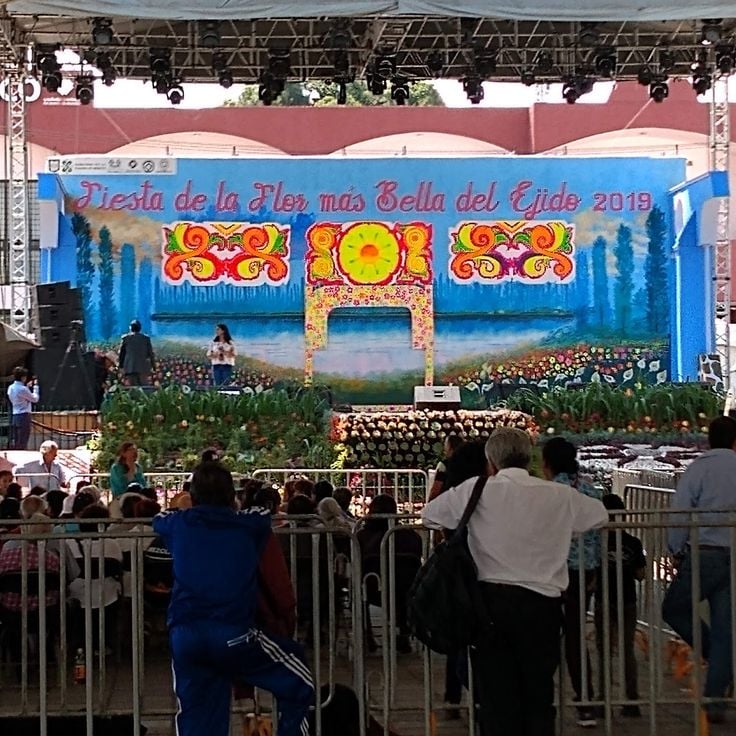
Mexico City, Mexico
Network of canals with colorful boats where vendors offer local food and crafts.

Guanajuato, Mexico
Oasis near San Miguel de Allende with natural pools and lotus flowers.
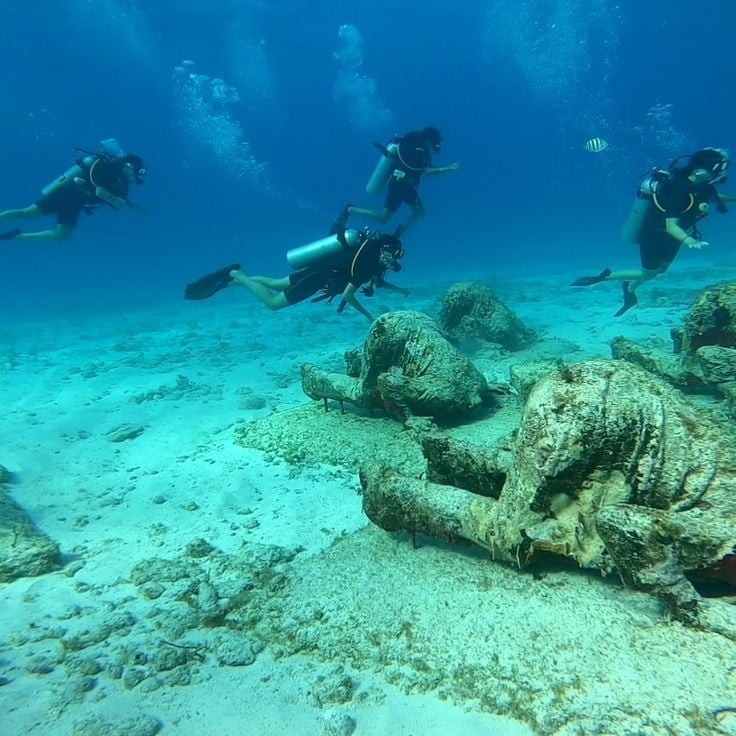
Isla Mujeres, Quintana Roo, Mexico
Collection of sculptures and artworks installed underwater, accessible by diving.
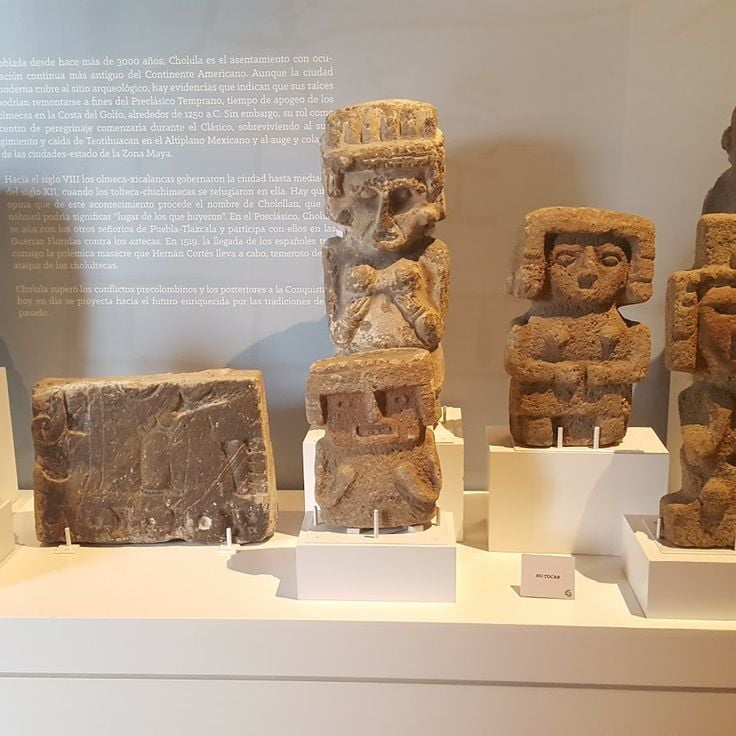
Puebla, Mexico
Largest pyramid in the world covered by a hill with a church on top.
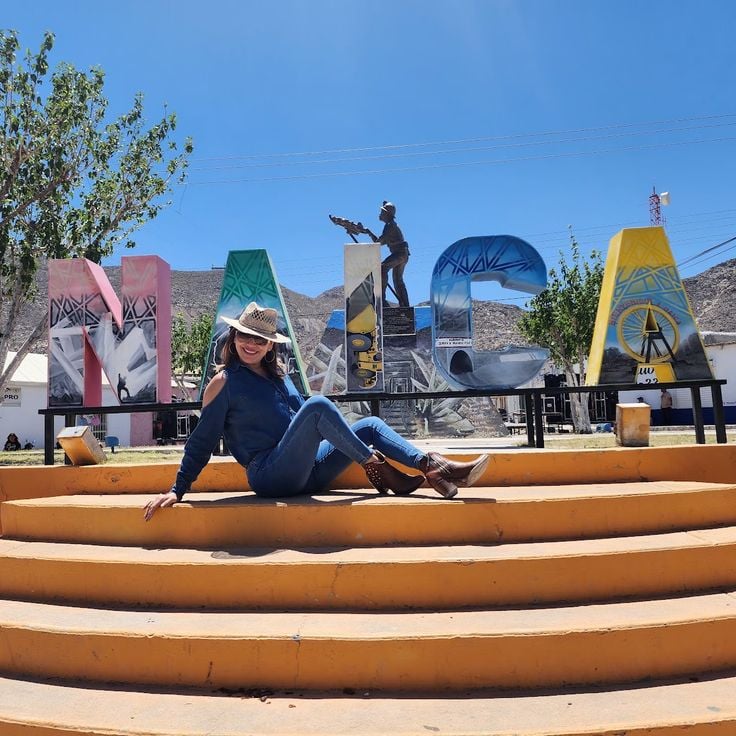
Chihuahua, Mexico
Cavern containing giant selenite crystals and the Cave of Swords accessible to visitors.
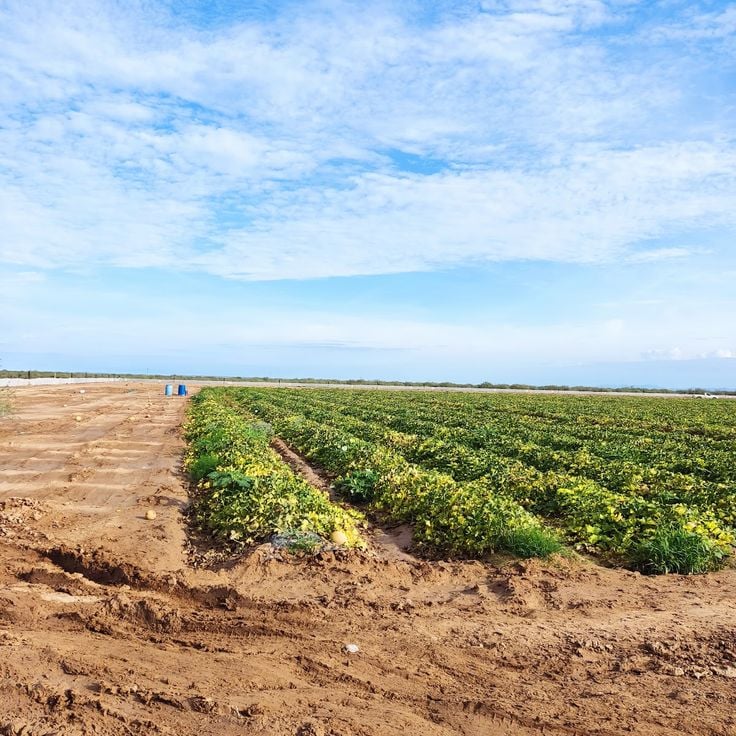
Durango, Mexico
Desert region known for its electromagnetic anomalies and unexplained phenomena.
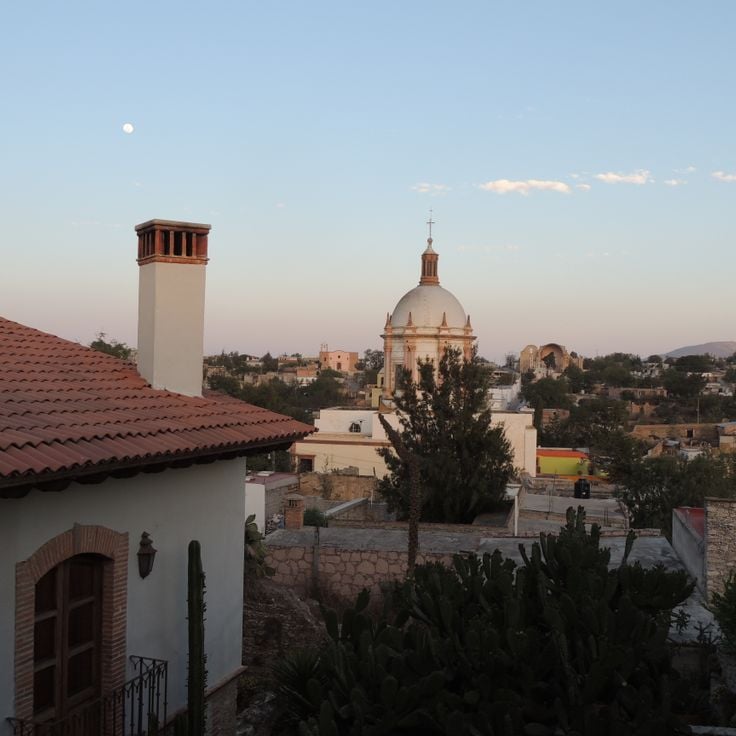
Guanajuato, Mexico
Abandoned historical mining town with industrial ruins and 16th-century silver mines.
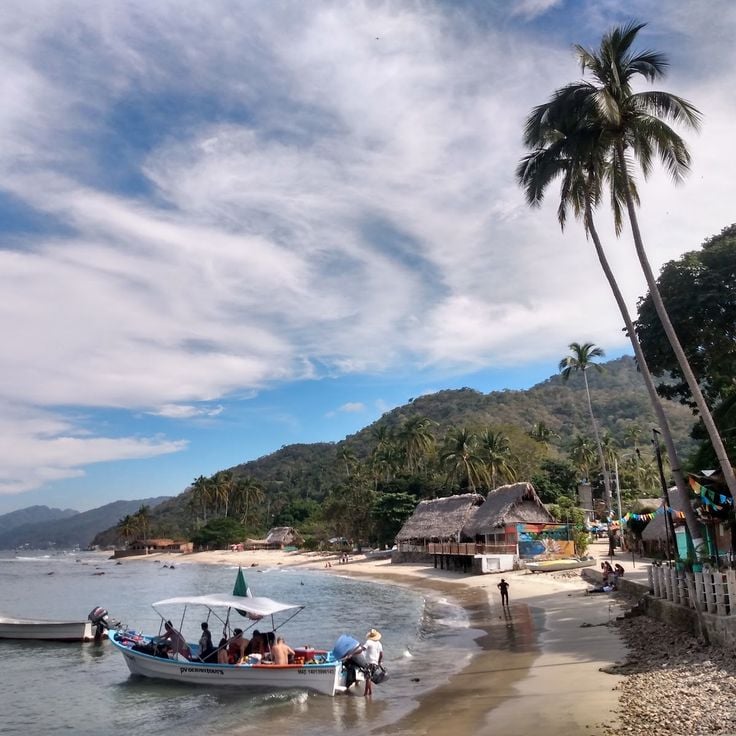
Jalisco, Mexico
Secluded beach with black sand and volcanic rocks on the Pacific coast.

Hidalgo, Mexico
Mountain lake surrounded by pine forests at 1,300 meters altitude.
Hidalgo, Mexico
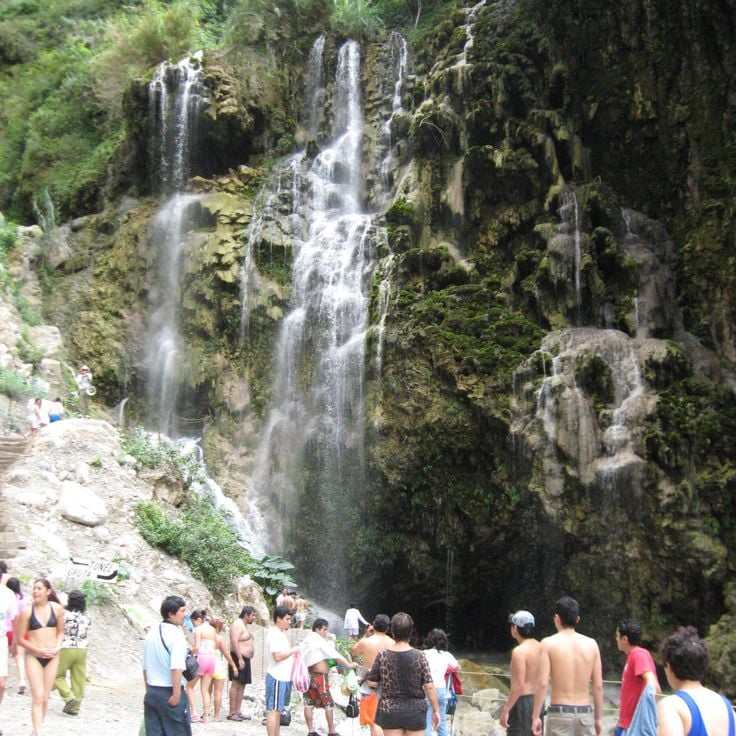
Complex of thermal caves with waterfalls and natural pools in the mountains.