See the monuments around you in AROpen chests in the app
Around Us is built for your phone — point your camera at the streets and discover the monuments and places around you in augmented reality.Around Us is built for your phone — chests unlock when you walk, explore and capture nearby places.
Traditional sites and natural landscapes in Oaxaca
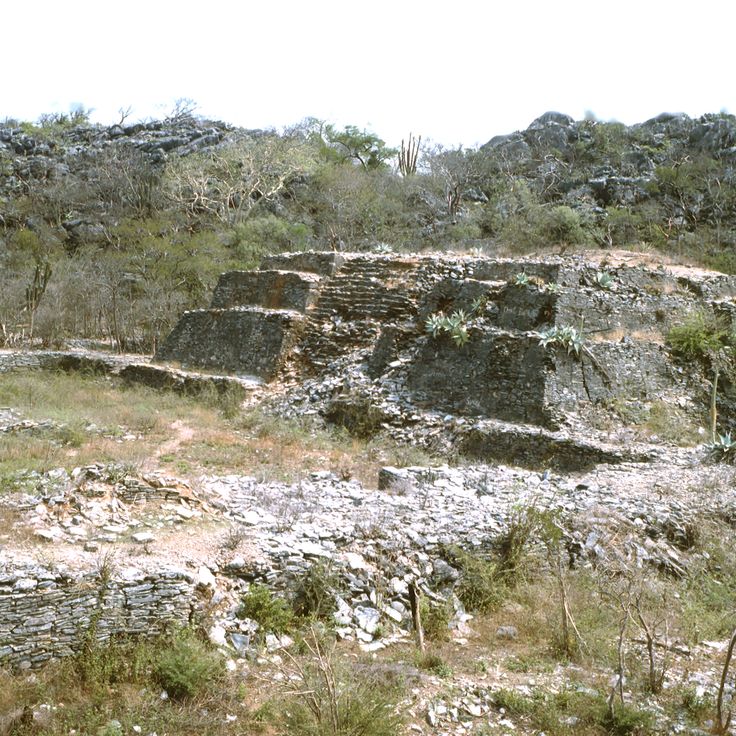
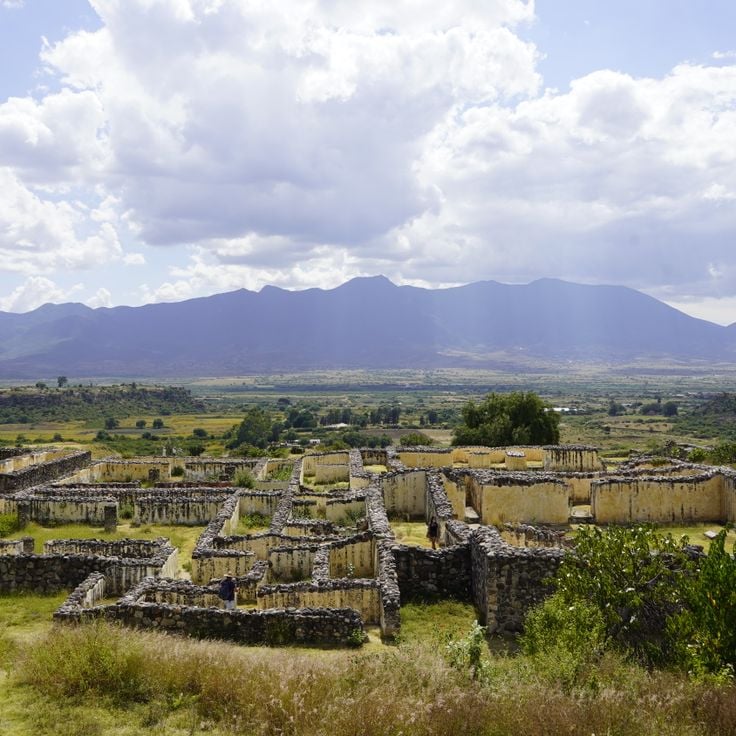
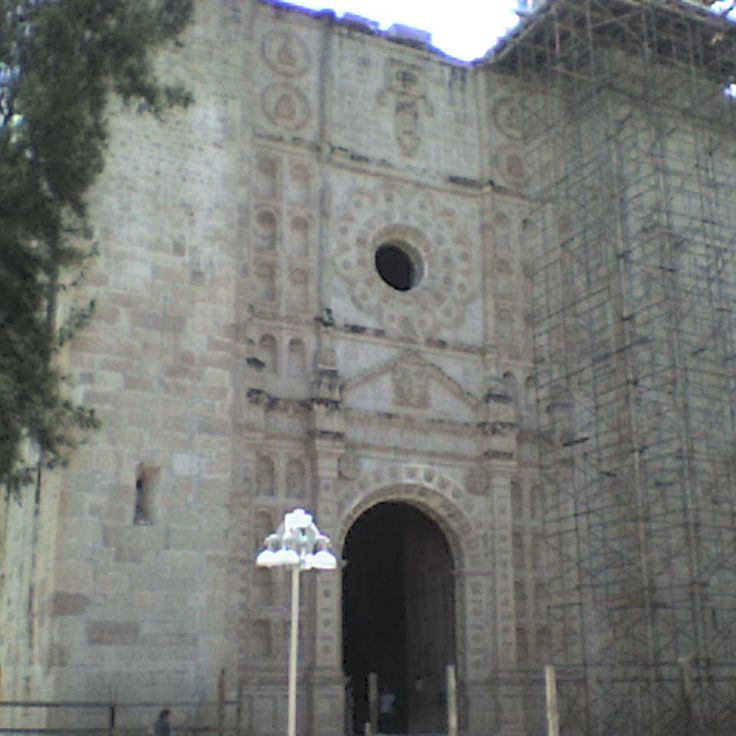
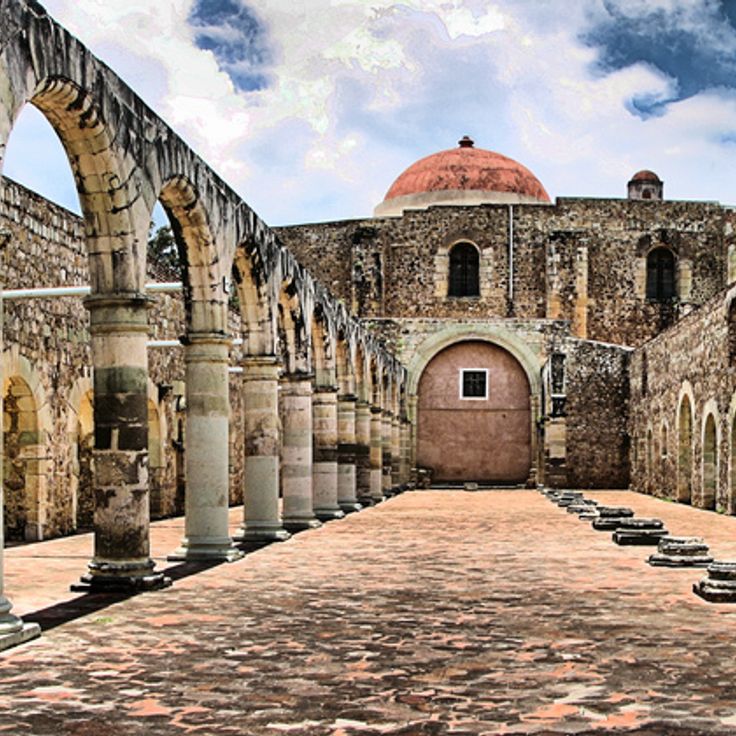
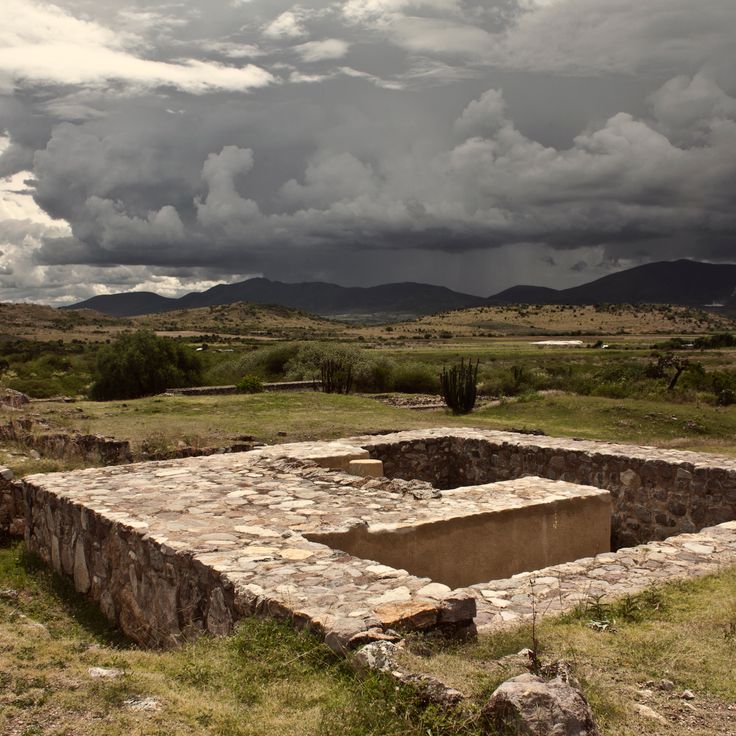
Oaxaca has archaeological sites like Monte Albán and Mitla, where zapotec and mixtec civilizations built temples and palaces many centuries before the Spanish arrived. The land stretches between mountains in the north and Pacific coasts in the south, with lagoons and beaches such as those at Mazunte or Puerto Escondido. The churches and monasteries built in the sixteenth and seventeenth centuries, such as Santo Domingo Yanhuitlán or the chapel of Ocotlán, show the colonial period.
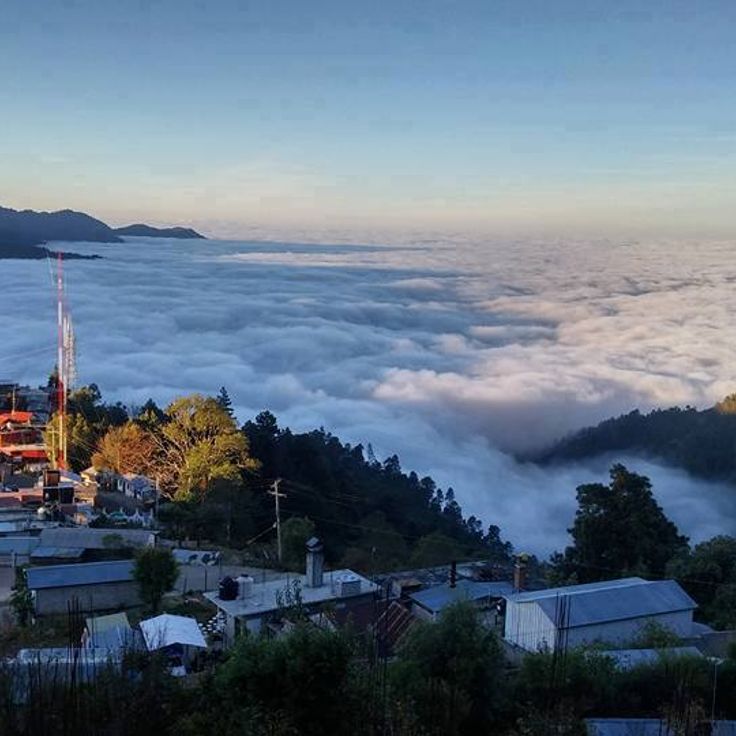
The landscapes include the mineral formations of Hierve el Agua, where limestone water created stone waterfalls, and the forests of pine and oak at Benito Juárez National Park. In San José del Pacífico, the mountains are often covered by mist. In villages in the valley like Teotitlán del Valle, families weave rugs on wooden looms, while in San Martín Tilcajete, craftsmen carve and paint figures of magical animals called alebrijes. The Oaxaca Textile Museum displays these textile skills and their stories, from ancient times to today.
Traditional sites and natural landscapes in Oaxaca
Oaxaca has archaeological sites like Monte Albán and Mitla, where zapotec and mixtec civilizations built temples and palaces many centuries before the Spanish arrived. The land stretches between mountains in the north and Pacific coasts in the south, with lagoons and beaches such as those at Mazunte or Puerto Escondido. The churches and monasteries built in the sixteenth and seventeenth centuries, such as Santo Domingo Yanhuitlán or the chapel of Ocotlán, show the colonial period.
The landscapes include the mineral formations of Hierve el Agua, where limestone water created stone waterfalls, and the forests of pine and oak at Benito Juárez National Park. In San José del Pacífico, the mountains are often covered by mist. In villages in the valley like Teotitlán del Valle, families weave rugs on wooden looms, while in San Martín Tilcajete, craftsmen carve and paint figures of magical animals called alebrijes. The Oaxaca Textile Museum displays these textile skills and their stories, from ancient times to today.
The mineral springs at Hierve el Agua flow over limestone formations creating natural pools. The water has formed white calcified cascades over centuries that resemble frozen waterfalls. Visitors can bathe in the pools while overlooking the Oaxaca valley. This site sits in the Sierra Norte at about 5900 feet (1800 meters). Traditional Zapotec communities from the surrounding area manage this place. Trails lead to the formations where you can observe the mineral deposits up close.
This mountain village near the ruins of Monte Albán is known for its handwoven wool blankets and rugs. The residents dye the wool using natural colors from insects, plants, and minerals. In the workshops, you can watch weavers work at traditional wooden looms. The village consists of narrow cobblestone streets and simple houses with courtyards where families carry out their work.
This cave descends to a depth of 1484 meters (4869 feet), making it one of the deepest cave systems in North America. Underground rivers flow through limestone chambers that have formed over millions of years. The passages lead through narrow corridors and large rooms where water continues to shape the stone. Access requires experience in technical climbing and cave diving, as parts of the route pass through flooded sections. The cave sits in the Sierra Mazateca, where rainwater seeps through porous rock and has created a network of interconnected tunnels.
This cypress tree stands in Santa Maria del Tule and is over 2000 years old. The trunk measures 42 meters (138 feet) around. The species is known as Montezuma cypress and grows in moist areas. The tree sits beside the local church on a small plaza, where locals and travelers stop to see it.
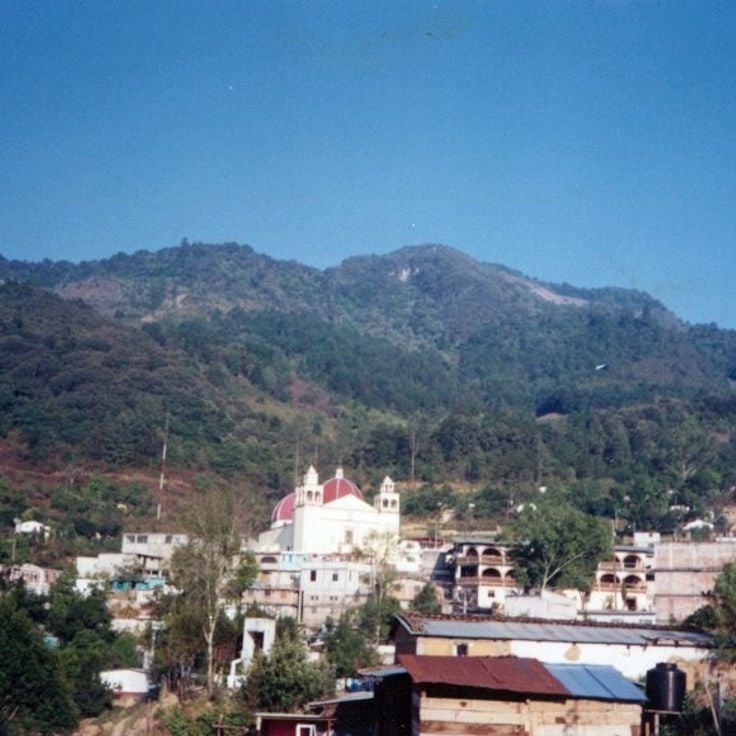
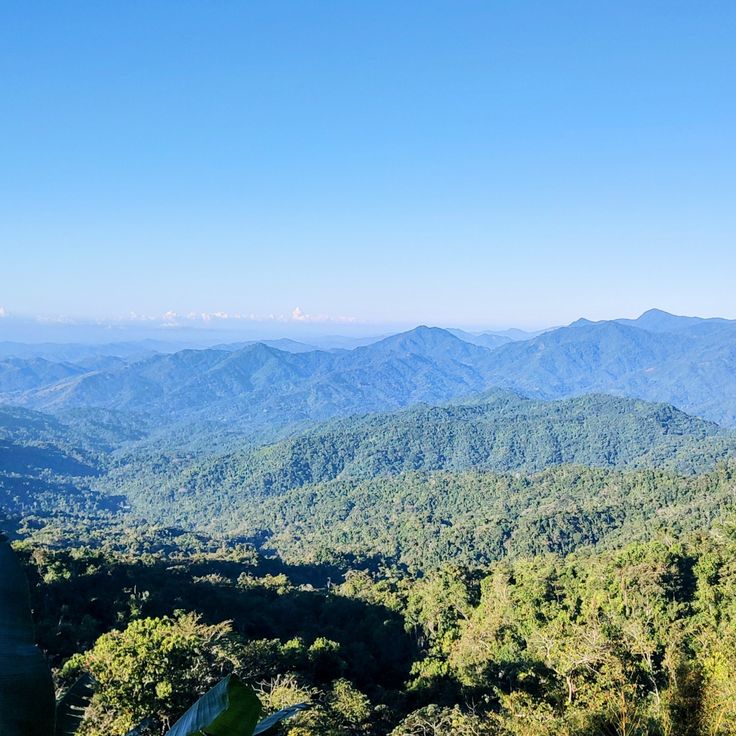
This mountain village sits at 8200 feet (2500 meters), surrounded by cloud forests thick with native pine and oak. San José del Pacífico offers hiking trails that wind through damp slopes where mist drifts between the tree canopy and the air stays cool and fresh. The village connects Oaxaca's highland terrain with traditional ways of life, while travelers find quiet and direct contact with the natural surroundings.
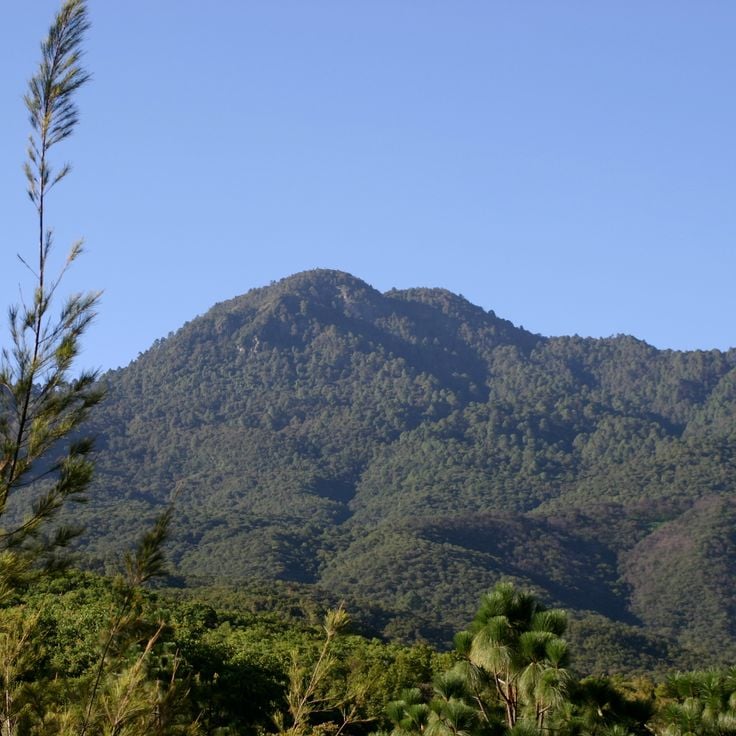
This park sits in the mountains east of Oaxaca city and covers forested slopes at more than 6500 feet (2000 meters) above sea level. The trails wind through pine and oak forests where birds native to this altitude live. The air is cooler than in the valley below, and the trees provide shade for hikes. Local communities maintain the routes and offer simple lodging for visitors. On clear days, the higher points give views over the surrounding valleys and ranges that define this part of the region.
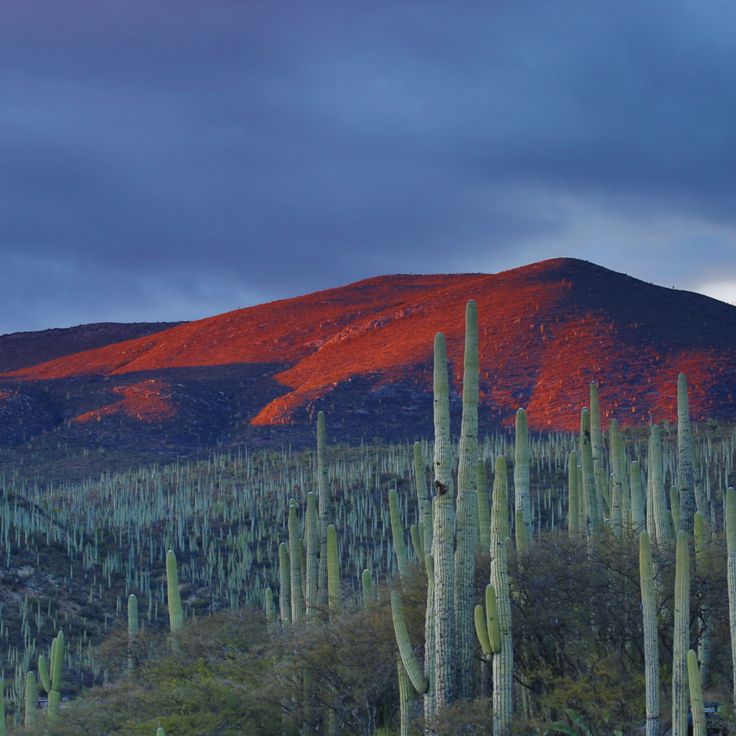
Zapotitlán Salinas sits in a desert where more than fifty species of cactus grow. This area has a long history of salt extraction, and old facilities for salt production can still be seen. The dry land forms a picture of sparse surfaces and scattered plants adapted to extreme conditions.
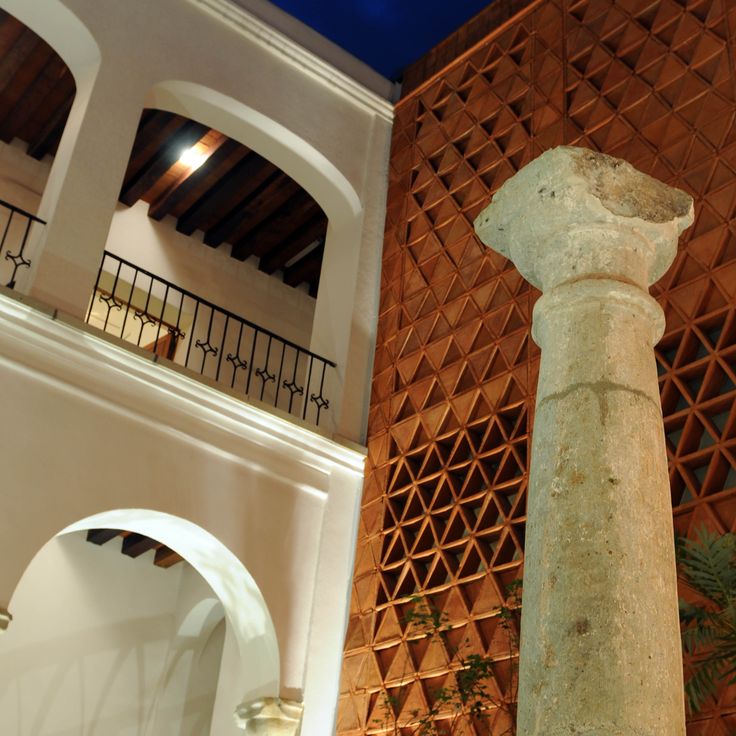
This museum gathers weavings from different areas of Oaxaca and shows the tools and methods used by local artisans. The exhibits preserve dyeing techniques that go back centuries and help visitors understand the daily work of weavers. Old looms stand beside wall hangings, garments and fabrics that are still made in villages today.
Lambityeco holds remains of palaces, temples and wall paintings from the 8th century Zapotec civilization. This archaeological site served as a major salt production center and documents daily life through preserved wall reliefs showing rulers and deities. The excavations reveal residential complexes and ceremonial structures that give insight into the social organization and religious practices of the time. The site sits in the Tlacolula Valley between the mountains of the Sierra Madre.
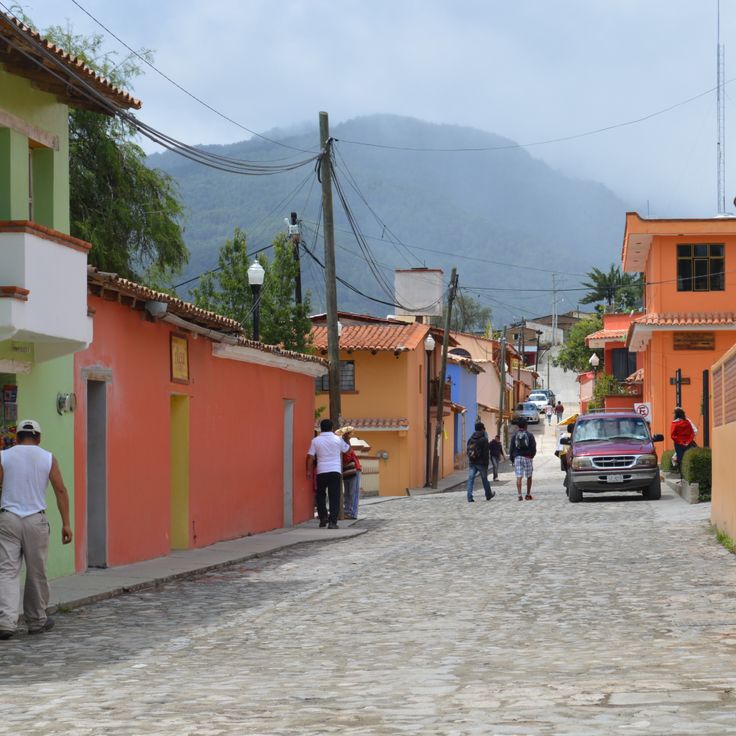
This mountain village in the Sierra Norte preserves colonial-era buildings and wooden houses with red tile roofs. The streets pass workshops where craftsmen work with wood and metal. Walking trails cross pine forests and connect Capulálpam de Méndez with neighboring communities. The air is cool and smells of resin. Locals tend their gardens and fields on the slopes. The church stands at the center of the village. Mornings bring birdsong and the echo of voices between the mountains.
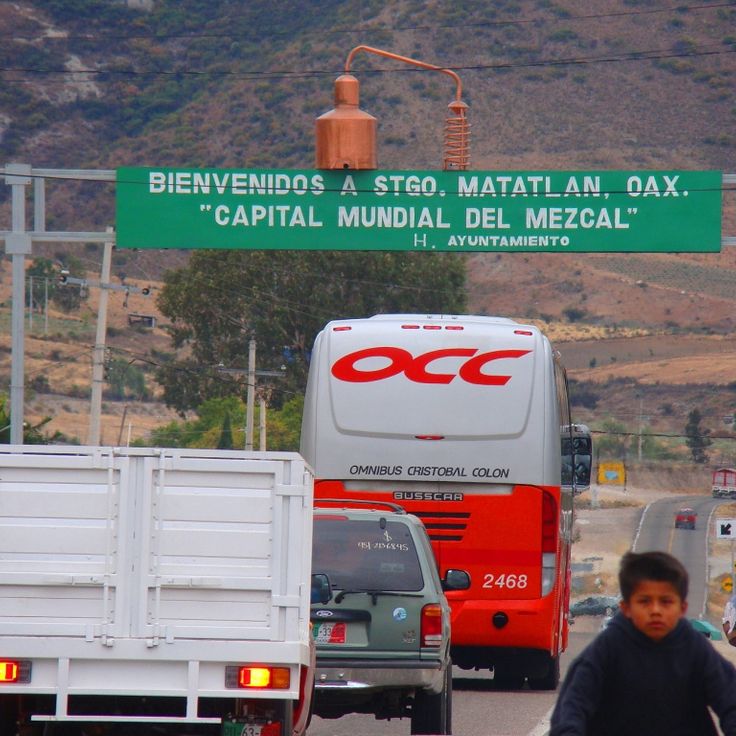
This town is home to more than 115 distilleries that focus on producing mezcal. Santiago Matatlán makes more than 80 percent of the mezcal from Oaxaca. The distilleries here use traditional methods for harvesting and distilling agave. Streets lead through workshops and production sites where agave hearts are roasted in earthen ovens, crushed by hand, and then fermented. The smell of cooked agave fills the air. Many family-run operations open their doors to visitors who want to see the production process and taste different types of mezcal.
San Pedro y San Pablo Ayutla sits at 2000 meters (6560 feet) in the mountains of the Sierra Mixe. This Mixe village maintains its language and traditions through daily life and community practices. Women weave textiles with geometric patterns on backstrap looms, a technique passed down through generations. The church from the 16th century stands in the center and combines colonial architecture with local elements. Pine forests surround the village, and the air is cool and clear. Weekly markets bring together residents from nearby hamlets, where people trade corn, beans, and handmade textiles. The streets are quiet, and life follows agricultural cycles and religious celebrations.
This archaeological site was a center of the Zapotec people, whose stone architecture is marked by geometric mosaics on walls and facades. The settlement developed between the 1st and 9th centuries and shows the skill of its builders. The stone blocks were fitted together without mortar and form repeating patterns typical of the region. Mitla sits in a dry valley surrounded by bare hills. Today the site stands next to a small village where traditional weaving continues. You can walk through the courtyards and chambers and see the precision of the stonework up close.
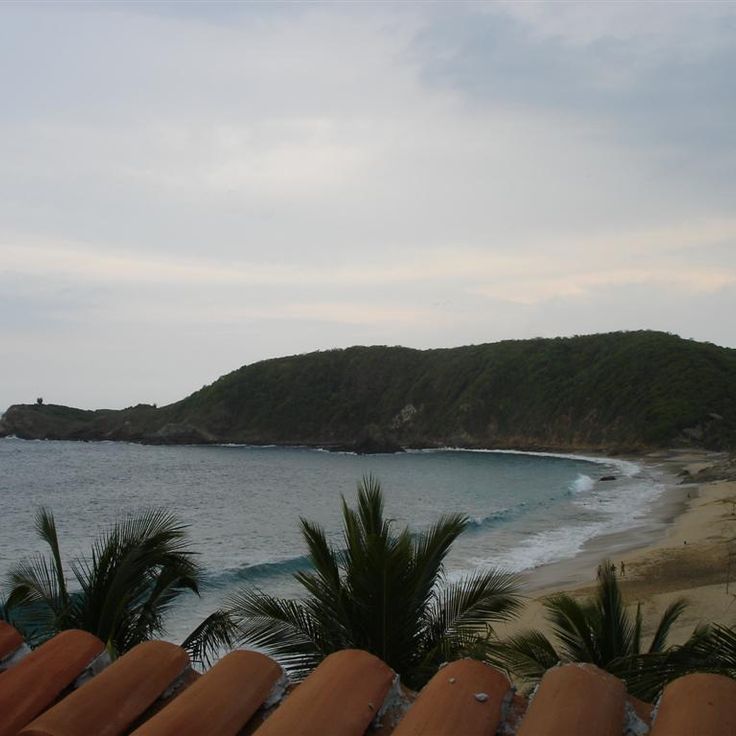
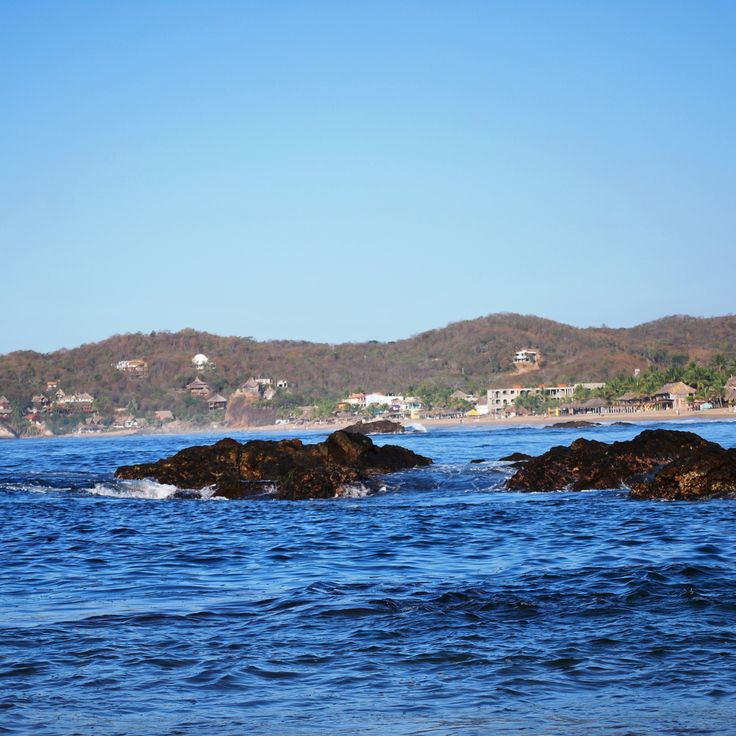
Mazunte sits on the Pacific coast of Oaxaca and draws people looking for a quiet beach town with a natural feel. The village is home to a sea turtle research and conservation center that teaches visitors about the work being done with these animals. The beaches here are relatively undeveloped, lined with rocks and vegetation. Many small yoga studios have opened in recent years, giving the place an alternative character focused on health and relaxation. Houses are often simple, and daily life moves at a slower pace than in larger coastal towns in the region.
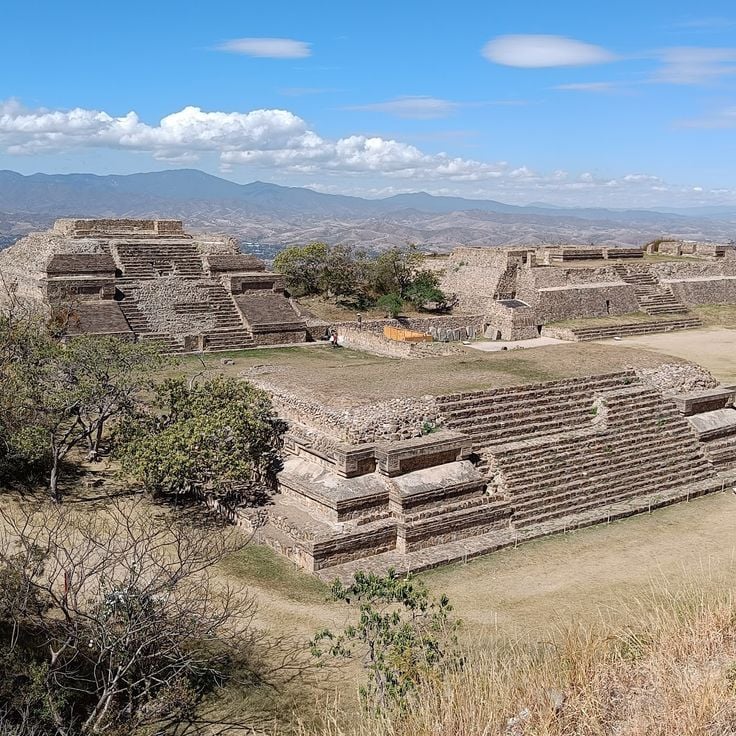
This archaeological site sits on a mountaintop above the valley. Monte Albán was a center of Zapotec culture between 500 BCE and 850 CE. On the large main plaza stand pyramids, temples and stone palaces. There is a ball court and tombs with wall paintings. From the site you can see the mountains all around. The Zapotecs built terraces here and observed the stars. The site shows hieroglyphs and carved reliefs.
This mountain town in the Sierra Madre del Sur sits at 1300 meters (4265 feet) and produces fine coffee on the slopes. The plantations run across the hills where the climate and soil let the beans ripen. You see coffee bushes growing under shade trees. Farmers harvest by hand and process the cherries in small workshops. The village keeps its traditional way of life and houses scatter along the winding paths between the fields.
This beach runs along the Pacific coast and draws surfers and travelers looking for a relaxed setting. The currents are strong and require caution when swimming. Simple lodgings and eateries line the shore, where visitors can rest after a day by the sea. The sand is dark, and the ocean shows its power in the waves that roll onto the shore. The area keeps a laid-back rhythm, and many people come here to step away from busy routines and spend time by the water.
This archaeological site from the 15th century sits on a mountain near Tehuantepec. The fortress was built by the Zapotec people and had military importance. On the grounds stand temple remains, residential buildings, and defense structures. From the top you can see the plain and the distant mountains. The stone walls follow the natural shape of the terrain. Guiengola belongs to the places in Oaxaca where traces of pre-Columbian cultures appear, before the Spanish colonial period began.
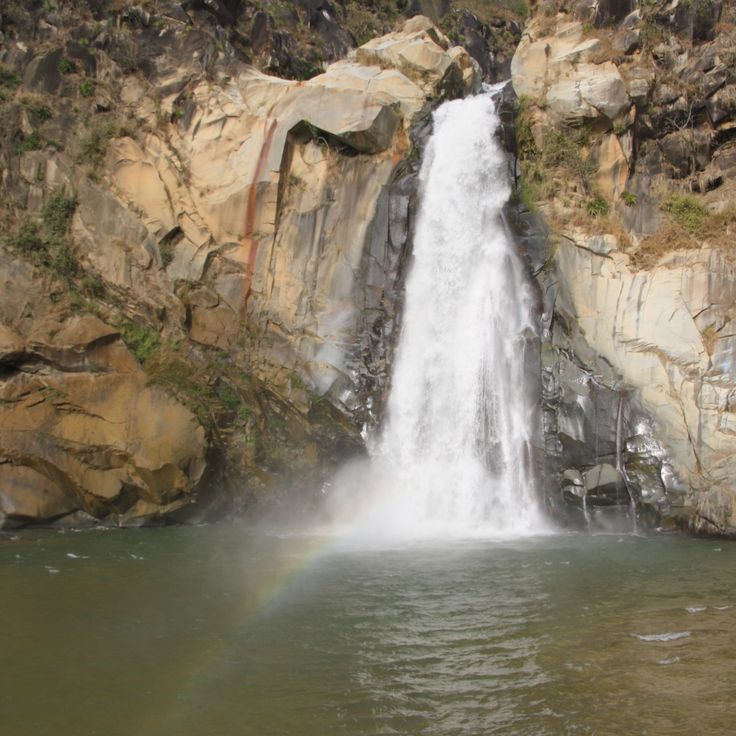
This waterfall drops over a rock face into a natural pool where visitors can swim. The area around the waterfall is surrounded by native plants adapted to the humid climate, and bird species use the trees for nesting and resting during their migrations along the coast.
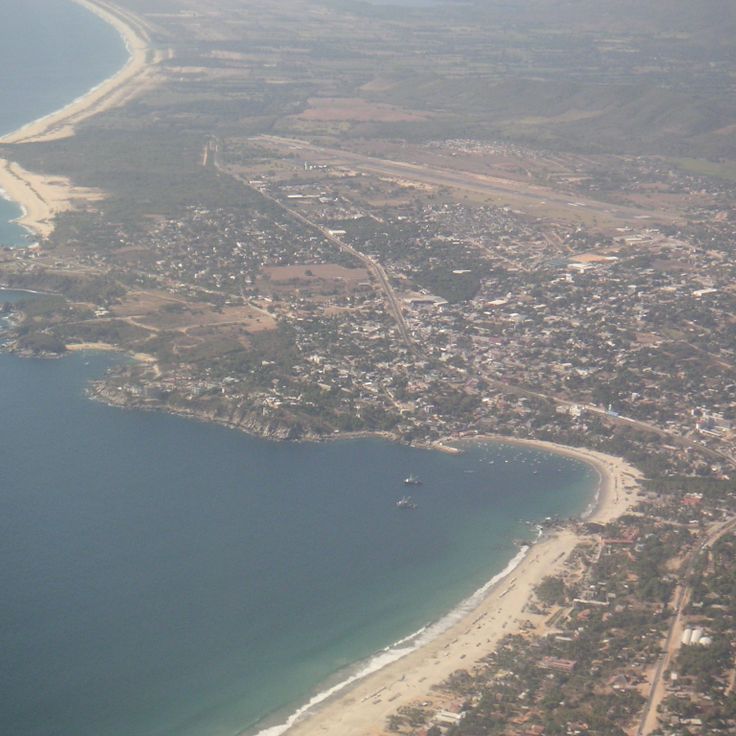
This fishing port on the Pacific coast has grown into a destination for surfers. The beaches draw wave riders from different countries. Restaurants and bars line the center, while the coastline offers several coves and stretches of sand. Fishermen still bring in their catch in the mornings, and markets sell fresh fish and local goods. The surroundings range from flat shores to rocky cliffs.
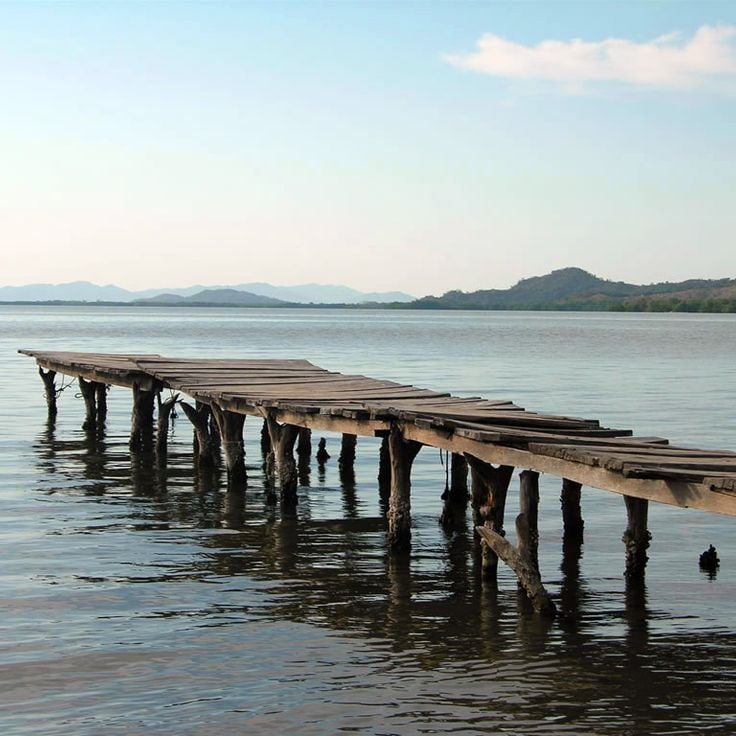
This coastal park in Oaxaca covers mangrove forests and shallow lagoons separated from the Pacific by narrow sandbars. The area serves as a breeding ground for migratory birds and home to crocodiles. Visitors paddle through the waterways or watch herons, pelicans and frigatebirds among the mangrove roots. Fishermen from nearby villages sell fresh catch along the shore, while the beaches outside the lagoons invite swimming.
This village in the southern highlands of Oaxaca is known for its workshops where artisans carve and paint alebrijes. These wooden figures depict animals, mythical beings, and fantasy creatures in bright colors. The streets are lined with small family workshops where visitors can watch craftspeople at work. San Martín Tilcajete has been connected to this tradition for generations, and many families pass their techniques from parents to children.
These mines provided the Zapotec people with natural pigments for ceramics, textiles and wall paintings. Yagul Natural Paint Mines preserved a tradition of color extraction that reaches back to pre-Columbian times. The mines sit near archaeological sites where artisans once extracted minerals for red, yellow and ochre tones. The terrain still shows traces of the extraction work, with small cavities and worn rock faces. Visitors can see here the direct connection between landscape and artistic creation.
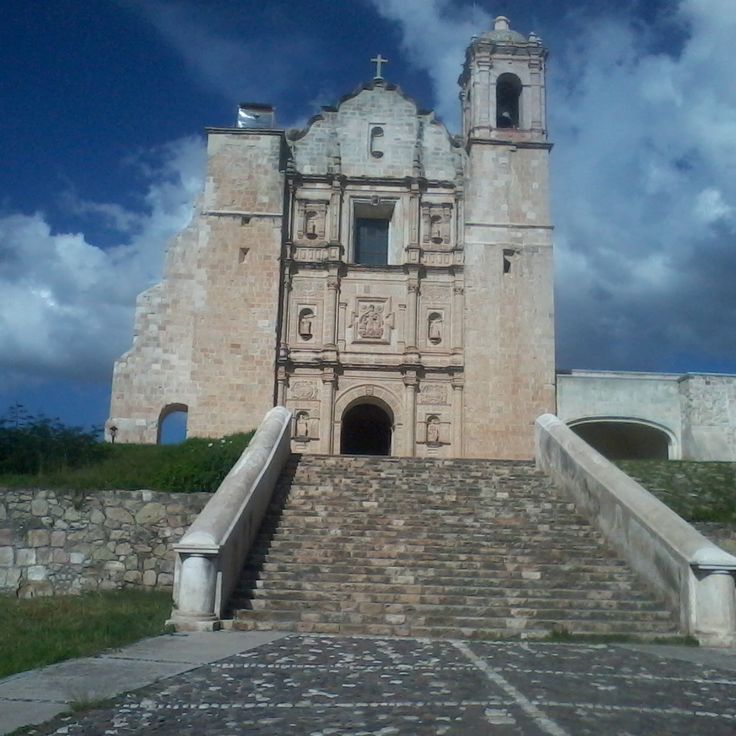
This church from the 16th century shows Spanish and indigenous building traditions in its design. The facade carries rich ornament that reflects the skill of craftsmen from that time. The structure belongs to the colonial religious buildings in Oaxaca, where church architecture often joins local traditions with European forms. Inside, you find further evidence of this cultural meeting.
This church dates from the 16th century and stands at the center of Ocotlán, preserving religious art from the colonial period. The church serves as a Catholic gathering place for the region. Right in front of it, a large marketplace extends into the town's daily life, often filled with vendors and visitors on market days. The connection between the church and the marketplace shows how these two spaces often coexist in Mexican communities.
This Zapotec settlement dates from the period between 600 and 800 CE. The site consists of platforms and terraces built into a hillside. Stone reliefs show figures of ball players and warriors. Two courts for the ritual ball game are still visible. Dainzú sits in a valley surrounded by mountains and fields. The complex is smaller than other ruins in the region, but feels quiet and manageable. Visitors can walk among the old walls and see the carved figures up close. The place offers a sense of how communities lived and played in pre-Hispanic times.
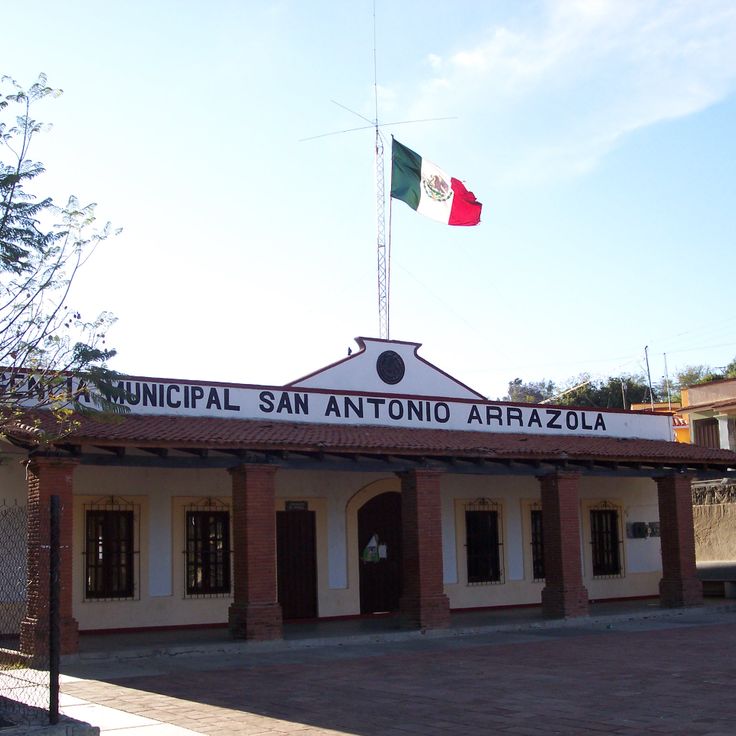
This village is known for making painted wooden figures that are crafted in many small workshops. Artisans carve animals and imaginary creatures from copal wood and paint them with bright colors and fine patterns. Families often work together and pass their techniques down through generations. Visitors can watch how the figures are shaped and painted in the workshops. Arrazola contributes to the craft tradition of the Oaxaca region and keeps an old form of folk art alive.
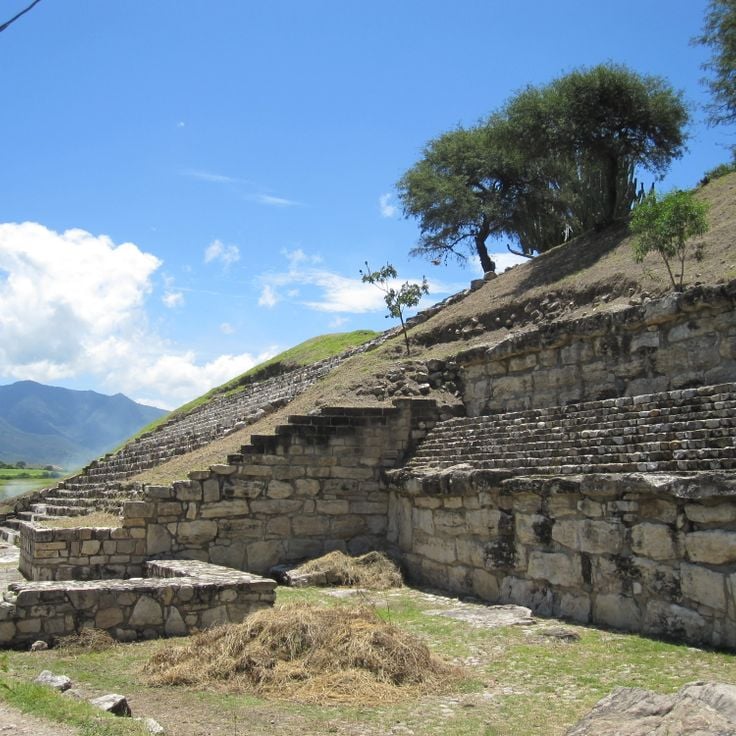
Mogote was an early Zapotec settlement occupied between 1500 and 400 BCE. The site preserves pyramids and terraced structures from this period. These ruins sit in a region known for its pre-Columbian sites and traditional communities. The grounds show the early building phases of Zapotec culture, before Monte Albán became the capital. The pyramids rise above the surrounding fields and offer a view into the first urban centers of Oaxaca.
This 16th-century Dominican convent stands in a small village outside Oaxaca city and shows how colonial architecture mixed with indigenous traditions. The walls inside still carry frescoes from the founding period, while carved woodwork and painted ceilings remain in the rooms. The plain facade does not reveal much, but inside the convent you find motifs that combine Christian symbols with local plants and patterns. It is often quiet, with few visitors coming through. The building was part of the Christianization effort in this region and belongs to a group of monasteries scattered between mountains and valleys. The place invites you to walk slowly through the rooms and look at the details that craftsmen left behind centuries ago.
This church combines elements of European Renaissance architecture with local building techniques from the 16th century. The construction involved indigenous craftspeople who brought their traditional skills to the project. The facade shows carved stone decoration, while the interior has vaulted ceilings and a spacious main hall. The church sits in a village surrounded by agricultural fields and has been the center of the local community for centuries.
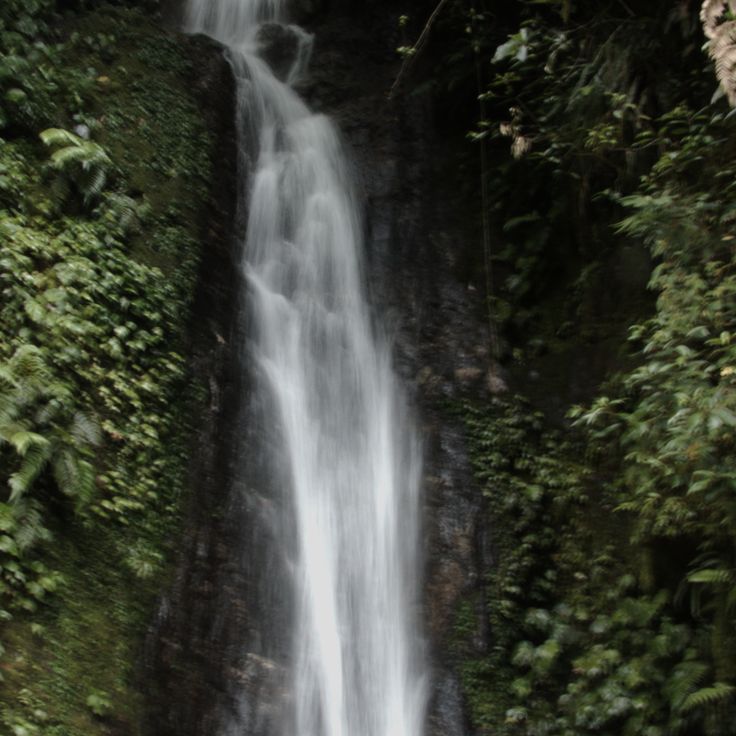
These waterfalls flow through mountain forests in northern Oaxaca and form several cascades surrounded by native trees and ferns. The area belongs to a Zapotec community territory where trails lead through the woods and allow visitors to observe the vegetation and flowing water. The paths follow the streams and provide access to different viewpoints where you can see the falling water and the surrounding forest.
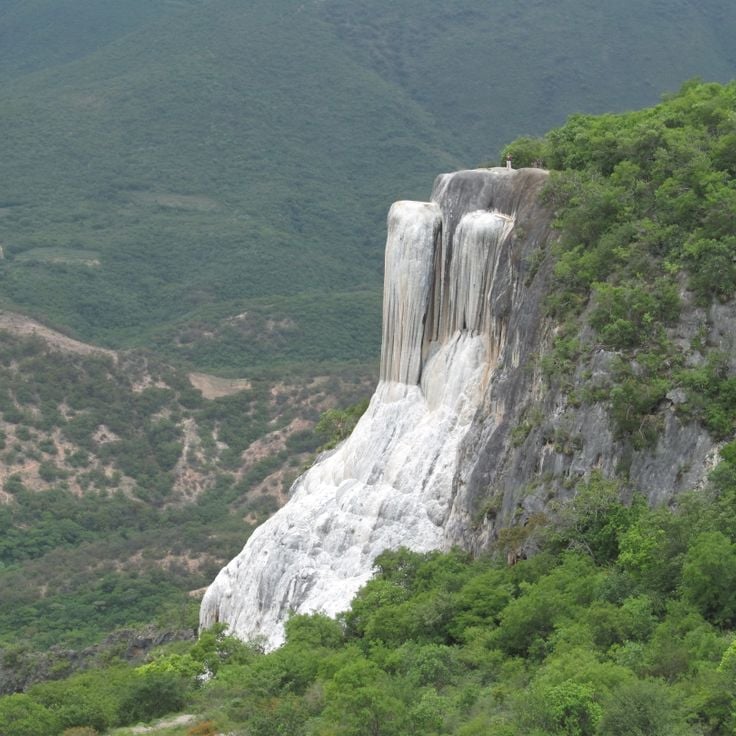
The mineral springs at Hierve el Agua flow over limestone formations creating natural pools. The water has formed white calcified cascades over centuries that resemble frozen waterfalls. Visitors can bathe in the pools while overlooking the Oaxaca valley. This site sits in the Sierra Norte at about 5900 feet (1800 meters). Traditional Zapotec communities from the surrounding area manage this place. Trails lead to the formations where you can observe the mineral deposits up close.
This mountain village near the ruins of Monte Albán is known for its handwoven wool blankets and rugs. The residents dye the wool using natural colors from insects, plants, and minerals. In the workshops, you can watch weavers work at traditional wooden looms. The village consists of narrow cobblestone streets and simple houses with courtyards where families carry out their work.
This cave descends to a depth of 1484 meters (4869 feet), making it one of the deepest cave systems in North America. Underground rivers flow through limestone chambers that have formed over millions of years. The passages lead through narrow corridors and large rooms where water continues to shape the stone. Access requires experience in technical climbing and cave diving, as parts of the route pass through flooded sections. The cave sits in the Sierra Mazateca, where rainwater seeps through porous rock and has created a network of interconnected tunnels.
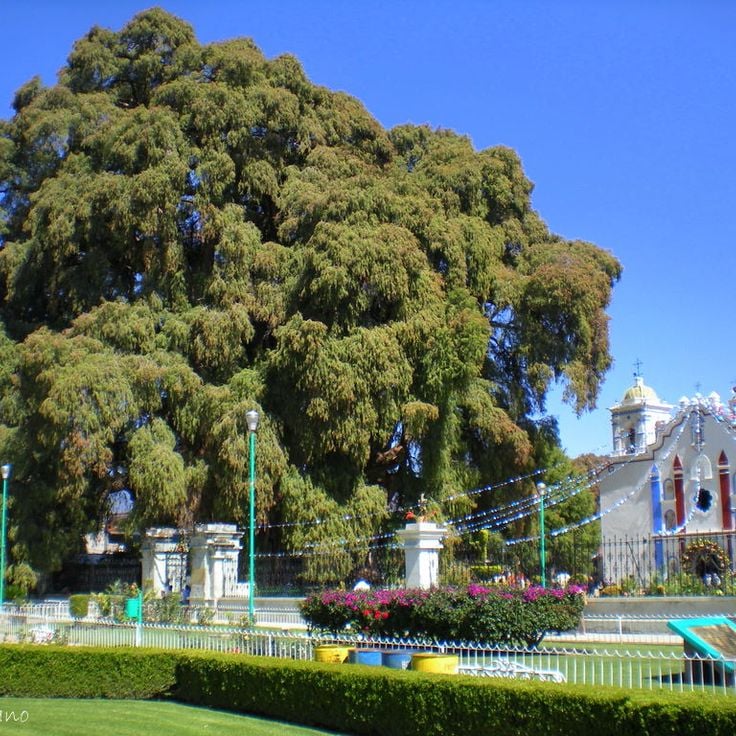
This cypress tree stands in Santa Maria del Tule and is over 2000 years old. The trunk measures 42 meters (138 feet) around. The species is known as Montezuma cypress and grows in moist areas. The tree sits beside the local church on a small plaza, where locals and travelers stop to see it.
This mountain village sits at 8200 feet (2500 meters), surrounded by cloud forests thick with native pine and oak. San José del Pacífico offers hiking trails that wind through damp slopes where mist drifts between the tree canopy and the air stays cool and fresh. The village connects Oaxaca's highland terrain with traditional ways of life, while travelers find quiet and direct contact with the natural surroundings.
This park sits in the mountains east of Oaxaca city and covers forested slopes at more than 6500 feet (2000 meters) above sea level. The trails wind through pine and oak forests where birds native to this altitude live. The air is cooler than in the valley below, and the trees provide shade for hikes. Local communities maintain the routes and offer simple lodging for visitors. On clear days, the higher points give views over the surrounding valleys and ranges that define this part of the region.
Zapotitlán Salinas sits in a desert where more than fifty species of cactus grow. This area has a long history of salt extraction, and old facilities for salt production can still be seen. The dry land forms a picture of sparse surfaces and scattered plants adapted to extreme conditions.
This museum gathers weavings from different areas of Oaxaca and shows the tools and methods used by local artisans. The exhibits preserve dyeing techniques that go back centuries and help visitors understand the daily work of weavers. Old looms stand beside wall hangings, garments and fabrics that are still made in villages today.
Lambityeco holds remains of palaces, temples and wall paintings from the 8th century Zapotec civilization. This archaeological site served as a major salt production center and documents daily life through preserved wall reliefs showing rulers and deities. The excavations reveal residential complexes and ceremonial structures that give insight into the social organization and religious practices of the time. The site sits in the Tlacolula Valley between the mountains of the Sierra Madre.
This mountain village in the Sierra Norte preserves colonial-era buildings and wooden houses with red tile roofs. The streets pass workshops where craftsmen work with wood and metal. Walking trails cross pine forests and connect Capulálpam de Méndez with neighboring communities. The air is cool and smells of resin. Locals tend their gardens and fields on the slopes. The church stands at the center of the village. Mornings bring birdsong and the echo of voices between the mountains.
This town is home to more than 115 distilleries that focus on producing mezcal. Santiago Matatlán makes more than 80 percent of the mezcal from Oaxaca. The distilleries here use traditional methods for harvesting and distilling agave. Streets lead through workshops and production sites where agave hearts are roasted in earthen ovens, crushed by hand, and then fermented. The smell of cooked agave fills the air. Many family-run operations open their doors to visitors who want to see the production process and taste different types of mezcal.
San Pedro y San Pablo Ayutla sits at 2000 meters (6560 feet) in the mountains of the Sierra Mixe. This Mixe village maintains its language and traditions through daily life and community practices. Women weave textiles with geometric patterns on backstrap looms, a technique passed down through generations. The church from the 16th century stands in the center and combines colonial architecture with local elements. Pine forests surround the village, and the air is cool and clear. Weekly markets bring together residents from nearby hamlets, where people trade corn, beans, and handmade textiles. The streets are quiet, and life follows agricultural cycles and religious celebrations.
This archaeological site was a center of the Zapotec people, whose stone architecture is marked by geometric mosaics on walls and facades. The settlement developed between the 1st and 9th centuries and shows the skill of its builders. The stone blocks were fitted together without mortar and form repeating patterns typical of the region. Mitla sits in a dry valley surrounded by bare hills. Today the site stands next to a small village where traditional weaving continues. You can walk through the courtyards and chambers and see the precision of the stonework up close.
Mazunte sits on the Pacific coast of Oaxaca and draws people looking for a quiet beach town with a natural feel. The village is home to a sea turtle research and conservation center that teaches visitors about the work being done with these animals. The beaches here are relatively undeveloped, lined with rocks and vegetation. Many small yoga studios have opened in recent years, giving the place an alternative character focused on health and relaxation. Houses are often simple, and daily life moves at a slower pace than in larger coastal towns in the region.
This archaeological site sits on a mountaintop above the valley. Monte Albán was a center of Zapotec culture between 500 BCE and 850 CE. On the large main plaza stand pyramids, temples and stone palaces. There is a ball court and tombs with wall paintings. From the site you can see the mountains all around. The Zapotecs built terraces here and observed the stars. The site shows hieroglyphs and carved reliefs.
This mountain town in the Sierra Madre del Sur sits at 1300 meters (4265 feet) and produces fine coffee on the slopes. The plantations run across the hills where the climate and soil let the beans ripen. You see coffee bushes growing under shade trees. Farmers harvest by hand and process the cherries in small workshops. The village keeps its traditional way of life and houses scatter along the winding paths between the fields.
This beach runs along the Pacific coast and draws surfers and travelers looking for a relaxed setting. The currents are strong and require caution when swimming. Simple lodgings and eateries line the shore, where visitors can rest after a day by the sea. The sand is dark, and the ocean shows its power in the waves that roll onto the shore. The area keeps a laid-back rhythm, and many people come here to step away from busy routines and spend time by the water.
This archaeological site from the 15th century sits on a mountain near Tehuantepec. The fortress was built by the Zapotec people and had military importance. On the grounds stand temple remains, residential buildings, and defense structures. From the top you can see the plain and the distant mountains. The stone walls follow the natural shape of the terrain. Guiengola belongs to the places in Oaxaca where traces of pre-Columbian cultures appear, before the Spanish colonial period began.
This waterfall drops over a rock face into a natural pool where visitors can swim. The area around the waterfall is surrounded by native plants adapted to the humid climate, and bird species use the trees for nesting and resting during their migrations along the coast.
This fishing port on the Pacific coast has grown into a destination for surfers. The beaches draw wave riders from different countries. Restaurants and bars line the center, while the coastline offers several coves and stretches of sand. Fishermen still bring in their catch in the mornings, and markets sell fresh fish and local goods. The surroundings range from flat shores to rocky cliffs.
This coastal park in Oaxaca covers mangrove forests and shallow lagoons separated from the Pacific by narrow sandbars. The area serves as a breeding ground for migratory birds and home to crocodiles. Visitors paddle through the waterways or watch herons, pelicans and frigatebirds among the mangrove roots. Fishermen from nearby villages sell fresh catch along the shore, while the beaches outside the lagoons invite swimming.
This village in the southern highlands of Oaxaca is known for its workshops where artisans carve and paint alebrijes. These wooden figures depict animals, mythical beings, and fantasy creatures in bright colors. The streets are lined with small family workshops where visitors can watch craftspeople at work. San Martín Tilcajete has been connected to this tradition for generations, and many families pass their techniques from parents to children.
These mines provided the Zapotec people with natural pigments for ceramics, textiles and wall paintings. Yagul Natural Paint Mines preserved a tradition of color extraction that reaches back to pre-Columbian times. The mines sit near archaeological sites where artisans once extracted minerals for red, yellow and ochre tones. The terrain still shows traces of the extraction work, with small cavities and worn rock faces. Visitors can see here the direct connection between landscape and artistic creation.
This church from the 16th century shows Spanish and indigenous building traditions in its design. The facade carries rich ornament that reflects the skill of craftsmen from that time. The structure belongs to the colonial religious buildings in Oaxaca, where church architecture often joins local traditions with European forms. Inside, you find further evidence of this cultural meeting.
This church dates from the 16th century and stands at the center of Ocotlán, preserving religious art from the colonial period. The church serves as a Catholic gathering place for the region. Right in front of it, a large marketplace extends into the town's daily life, often filled with vendors and visitors on market days. The connection between the church and the marketplace shows how these two spaces often coexist in Mexican communities.
This Zapotec settlement dates from the period between 600 and 800 CE. The site consists of platforms and terraces built into a hillside. Stone reliefs show figures of ball players and warriors. Two courts for the ritual ball game are still visible. Dainzú sits in a valley surrounded by mountains and fields. The complex is smaller than other ruins in the region, but feels quiet and manageable. Visitors can walk among the old walls and see the carved figures up close. The place offers a sense of how communities lived and played in pre-Hispanic times.
This village is known for making painted wooden figures that are crafted in many small workshops. Artisans carve animals and imaginary creatures from copal wood and paint them with bright colors and fine patterns. Families often work together and pass their techniques down through generations. Visitors can watch how the figures are shaped and painted in the workshops. Arrazola contributes to the craft tradition of the Oaxaca region and keeps an old form of folk art alive.
Mogote was an early Zapotec settlement occupied between 1500 and 400 BCE. The site preserves pyramids and terraced structures from this period. These ruins sit in a region known for its pre-Columbian sites and traditional communities. The grounds show the early building phases of Zapotec culture, before Monte Albán became the capital. The pyramids rise above the surrounding fields and offer a view into the first urban centers of Oaxaca.
This 16th-century Dominican convent stands in a small village outside Oaxaca city and shows how colonial architecture mixed with indigenous traditions. The walls inside still carry frescoes from the founding period, while carved woodwork and painted ceilings remain in the rooms. The plain facade does not reveal much, but inside the convent you find motifs that combine Christian symbols with local plants and patterns. It is often quiet, with few visitors coming through. The building was part of the Christianization effort in this region and belongs to a group of monasteries scattered between mountains and valleys. The place invites you to walk slowly through the rooms and look at the details that craftsmen left behind centuries ago.
This church combines elements of European Renaissance architecture with local building techniques from the 16th century. The construction involved indigenous craftspeople who brought their traditional skills to the project. The facade shows carved stone decoration, while the interior has vaulted ceilings and a spacious main hall. The church sits in a village surrounded by agricultural fields and has been the center of the local community for centuries.
These waterfalls flow through mountain forests in northern Oaxaca and form several cascades surrounded by native trees and ferns. The area belongs to a Zapotec community territory where trails lead through the woods and allow visitors to observe the vegetation and flowing water. The paths follow the streams and provide access to different viewpoints where you can see the falling water and the surrounding forest.
The mineral springs at Hierve el Agua flow over limestone formations creating natural pools. The water has formed white calcified cascades over centuries that resemble frozen waterfalls. Visitors can bathe in the pools while overlooking the Oaxaca valley. This site sits in the Sierra Norte at about 5900 feet (1800 meters). Traditional Zapotec communities from the surrounding area manage this place. Trails lead to the formations where you can observe the mineral deposits up close.
This mountain village near the ruins of Monte Albán is known for its handwoven wool blankets and rugs. The residents dye the wool using natural colors from insects, plants, and minerals. In the workshops, you can watch weavers work at traditional wooden looms. The village consists of narrow cobblestone streets and simple houses with courtyards where families carry out their work.
This cave descends to a depth of 1484 meters (4869 feet), making it one of the deepest cave systems in North America. Underground rivers flow through limestone chambers that have formed over millions of years. The passages lead through narrow corridors and large rooms where water continues to shape the stone. Access requires experience in technical climbing and cave diving, as parts of the route pass through flooded sections. The cave sits in the Sierra Mazateca, where rainwater seeps through porous rock and has created a network of interconnected tunnels.
This cypress tree stands in Santa Maria del Tule and is over 2000 years old. The trunk measures 42 meters (138 feet) around. The species is known as Montezuma cypress and grows in moist areas. The tree sits beside the local church on a small plaza, where locals and travelers stop to see it.
This mountain village sits at 8200 feet (2500 meters), surrounded by cloud forests thick with native pine and oak. San José del Pacífico offers hiking trails that wind through damp slopes where mist drifts between the tree canopy and the air stays cool and fresh. The village connects Oaxaca's highland terrain with traditional ways of life, while travelers find quiet and direct contact with the natural surroundings.
This park sits in the mountains east of Oaxaca city and covers forested slopes at more than 6500 feet (2000 meters) above sea level. The trails wind through pine and oak forests where birds native to this altitude live. The air is cooler than in the valley below, and the trees provide shade for hikes. Local communities maintain the routes and offer simple lodging for visitors. On clear days, the higher points give views over the surrounding valleys and ranges that define this part of the region.
Zapotitlán Salinas sits in a desert where more than fifty species of cactus grow. This area has a long history of salt extraction, and old facilities for salt production can still be seen. The dry land forms a picture of sparse surfaces and scattered plants adapted to extreme conditions.
This museum gathers weavings from different areas of Oaxaca and shows the tools and methods used by local artisans. The exhibits preserve dyeing techniques that go back centuries and help visitors understand the daily work of weavers. Old looms stand beside wall hangings, garments and fabrics that are still made in villages today.
Lambityeco holds remains of palaces, temples and wall paintings from the 8th century Zapotec civilization. This archaeological site served as a major salt production center and documents daily life through preserved wall reliefs showing rulers and deities. The excavations reveal residential complexes and ceremonial structures that give insight into the social organization and religious practices of the time. The site sits in the Tlacolula Valley between the mountains of the Sierra Madre.
This mountain village in the Sierra Norte preserves colonial-era buildings and wooden houses with red tile roofs. The streets pass workshops where craftsmen work with wood and metal. Walking trails cross pine forests and connect Capulálpam de Méndez with neighboring communities. The air is cool and smells of resin. Locals tend their gardens and fields on the slopes. The church stands at the center of the village. Mornings bring birdsong and the echo of voices between the mountains.
This town is home to more than 115 distilleries that focus on producing mezcal. Santiago Matatlán makes more than 80 percent of the mezcal from Oaxaca. The distilleries here use traditional methods for harvesting and distilling agave. Streets lead through workshops and production sites where agave hearts are roasted in earthen ovens, crushed by hand, and then fermented. The smell of cooked agave fills the air. Many family-run operations open their doors to visitors who want to see the production process and taste different types of mezcal.
San Pedro y San Pablo Ayutla sits at 2000 meters (6560 feet) in the mountains of the Sierra Mixe. This Mixe village maintains its language and traditions through daily life and community practices. Women weave textiles with geometric patterns on backstrap looms, a technique passed down through generations. The church from the 16th century stands in the center and combines colonial architecture with local elements. Pine forests surround the village, and the air is cool and clear. Weekly markets bring together residents from nearby hamlets, where people trade corn, beans, and handmade textiles. The streets are quiet, and life follows agricultural cycles and religious celebrations.
This archaeological site was a center of the Zapotec people, whose stone architecture is marked by geometric mosaics on walls and facades. The settlement developed between the 1st and 9th centuries and shows the skill of its builders. The stone blocks were fitted together without mortar and form repeating patterns typical of the region. Mitla sits in a dry valley surrounded by bare hills. Today the site stands next to a small village where traditional weaving continues. You can walk through the courtyards and chambers and see the precision of the stonework up close.
Mazunte sits on the Pacific coast of Oaxaca and draws people looking for a quiet beach town with a natural feel. The village is home to a sea turtle research and conservation center that teaches visitors about the work being done with these animals. The beaches here are relatively undeveloped, lined with rocks and vegetation. Many small yoga studios have opened in recent years, giving the place an alternative character focused on health and relaxation. Houses are often simple, and daily life moves at a slower pace than in larger coastal towns in the region.
This archaeological site sits on a mountaintop above the valley. Monte Albán was a center of Zapotec culture between 500 BCE and 850 CE. On the large main plaza stand pyramids, temples and stone palaces. There is a ball court and tombs with wall paintings. From the site you can see the mountains all around. The Zapotecs built terraces here and observed the stars. The site shows hieroglyphs and carved reliefs.
This mountain town in the Sierra Madre del Sur sits at 1300 meters (4265 feet) and produces fine coffee on the slopes. The plantations run across the hills where the climate and soil let the beans ripen. You see coffee bushes growing under shade trees. Farmers harvest by hand and process the cherries in small workshops. The village keeps its traditional way of life and houses scatter along the winding paths between the fields.
This beach runs along the Pacific coast and draws surfers and travelers looking for a relaxed setting. The currents are strong and require caution when swimming. Simple lodgings and eateries line the shore, where visitors can rest after a day by the sea. The sand is dark, and the ocean shows its power in the waves that roll onto the shore. The area keeps a laid-back rhythm, and many people come here to step away from busy routines and spend time by the water.
This archaeological site from the 15th century sits on a mountain near Tehuantepec. The fortress was built by the Zapotec people and had military importance. On the grounds stand temple remains, residential buildings, and defense structures. From the top you can see the plain and the distant mountains. The stone walls follow the natural shape of the terrain. Guiengola belongs to the places in Oaxaca where traces of pre-Columbian cultures appear, before the Spanish colonial period began.
This waterfall drops over a rock face into a natural pool where visitors can swim. The area around the waterfall is surrounded by native plants adapted to the humid climate, and bird species use the trees for nesting and resting during their migrations along the coast.
This fishing port on the Pacific coast has grown into a destination for surfers. The beaches draw wave riders from different countries. Restaurants and bars line the center, while the coastline offers several coves and stretches of sand. Fishermen still bring in their catch in the mornings, and markets sell fresh fish and local goods. The surroundings range from flat shores to rocky cliffs.
This coastal park in Oaxaca covers mangrove forests and shallow lagoons separated from the Pacific by narrow sandbars. The area serves as a breeding ground for migratory birds and home to crocodiles. Visitors paddle through the waterways or watch herons, pelicans and frigatebirds among the mangrove roots. Fishermen from nearby villages sell fresh catch along the shore, while the beaches outside the lagoons invite swimming.
This village in the southern highlands of Oaxaca is known for its workshops where artisans carve and paint alebrijes. These wooden figures depict animals, mythical beings, and fantasy creatures in bright colors. The streets are lined with small family workshops where visitors can watch craftspeople at work. San Martín Tilcajete has been connected to this tradition for generations, and many families pass their techniques from parents to children.
These mines provided the Zapotec people with natural pigments for ceramics, textiles and wall paintings. Yagul Natural Paint Mines preserved a tradition of color extraction that reaches back to pre-Columbian times. The mines sit near archaeological sites where artisans once extracted minerals for red, yellow and ochre tones. The terrain still shows traces of the extraction work, with small cavities and worn rock faces. Visitors can see here the direct connection between landscape and artistic creation.
This church from the 16th century shows Spanish and indigenous building traditions in its design. The facade carries rich ornament that reflects the skill of craftsmen from that time. The structure belongs to the colonial religious buildings in Oaxaca, where church architecture often joins local traditions with European forms. Inside, you find further evidence of this cultural meeting.
This church dates from the 16th century and stands at the center of Ocotlán, preserving religious art from the colonial period. The church serves as a Catholic gathering place for the region. Right in front of it, a large marketplace extends into the town's daily life, often filled with vendors and visitors on market days. The connection between the church and the marketplace shows how these two spaces often coexist in Mexican communities.
This Zapotec settlement dates from the period between 600 and 800 CE. The site consists of platforms and terraces built into a hillside. Stone reliefs show figures of ball players and warriors. Two courts for the ritual ball game are still visible. Dainzú sits in a valley surrounded by mountains and fields. The complex is smaller than other ruins in the region, but feels quiet and manageable. Visitors can walk among the old walls and see the carved figures up close. The place offers a sense of how communities lived and played in pre-Hispanic times.
This village is known for making painted wooden figures that are crafted in many small workshops. Artisans carve animals and imaginary creatures from copal wood and paint them with bright colors and fine patterns. Families often work together and pass their techniques down through generations. Visitors can watch how the figures are shaped and painted in the workshops. Arrazola contributes to the craft tradition of the Oaxaca region and keeps an old form of folk art alive.
Mogote was an early Zapotec settlement occupied between 1500 and 400 BCE. The site preserves pyramids and terraced structures from this period. These ruins sit in a region known for its pre-Columbian sites and traditional communities. The grounds show the early building phases of Zapotec culture, before Monte Albán became the capital. The pyramids rise above the surrounding fields and offer a view into the first urban centers of Oaxaca.
This 16th-century Dominican convent stands in a small village outside Oaxaca city and shows how colonial architecture mixed with indigenous traditions. The walls inside still carry frescoes from the founding period, while carved woodwork and painted ceilings remain in the rooms. The plain facade does not reveal much, but inside the convent you find motifs that combine Christian symbols with local plants and patterns. It is often quiet, with few visitors coming through. The building was part of the Christianization effort in this region and belongs to a group of monasteries scattered between mountains and valleys. The place invites you to walk slowly through the rooms and look at the details that craftsmen left behind centuries ago.
This church combines elements of European Renaissance architecture with local building techniques from the 16th century. The construction involved indigenous craftspeople who brought their traditional skills to the project. The facade shows carved stone decoration, while the interior has vaulted ceilings and a spacious main hall. The church sits in a village surrounded by agricultural fields and has been the center of the local community for centuries.
These waterfalls flow through mountain forests in northern Oaxaca and form several cascades surrounded by native trees and ferns. The area belongs to a Zapotec community territory where trails lead through the woods and allow visitors to observe the vegetation and flowing water. The paths follow the streams and provide access to different viewpoints where you can see the falling water and the surrounding forest.