Dainzú, Archaeological site on a hillside near Tlacolula, Mexico.
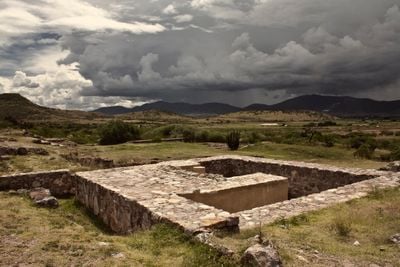
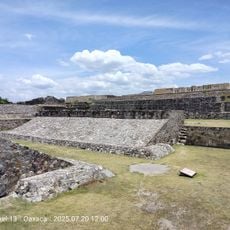
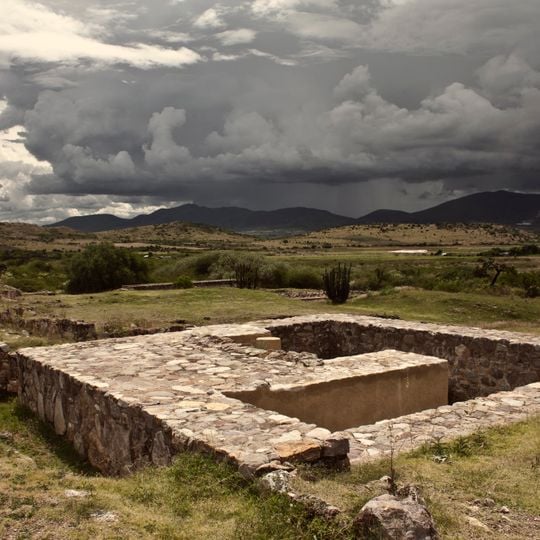
Dainzú is an archaeological site on a hillside near Tlacolula with multiple excavated buildings arranged along terraces. Stone structures throughout the site display construction techniques used in ancient Mesoamerica, each positioned to follow the natural slope of the land.
Dainzú was occupied from about 750 BCE, as Rosario-phase ceramics found west of the site show, and flourished between 600 BCE and 200 CE. It was one of the main villages of the Tlacolula Valley, contemporary with San José Mogote, and later contributed to the founding of Monte Albán, after which its population shrank around 200 BCE. Ignacio Bernal excavated the site in 1965.
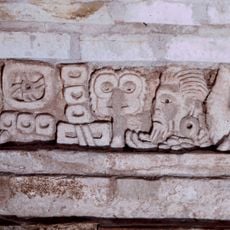
The name Dainzú comes from the Zapotec Dannizhú, "hill of the organ cactus"; the site was also called Quiabelagayo, "five flowers", the same meaning as Macuilxóchitl, the Nahuatl name of the nearby town. About 35 bas-reliefs line the south wall of Building A's lower platform, most depicting ball players, four of them the deities of the game, with priests making offerings and calendrical dates carved between them.
Regular buses and shared taxis run from Oaxaca City along the Tlacolula road, making the site accessible without your own transport. The route is straightforward, and the journey is short enough for a half-day visit.
One tomb entrance features a jaguar sculpture with its face carved into the stone lintel and paws extending down the sides. This powerful feline image likely served as a guardian figure for those buried beneath.
The community of curious travelers
AroundUs brings together thousands of curated places, local tips, and hidden gems, enriched daily by 94,583 contributors worldwide.