Yagul, Archaeological site in Oaxaca, Mexico
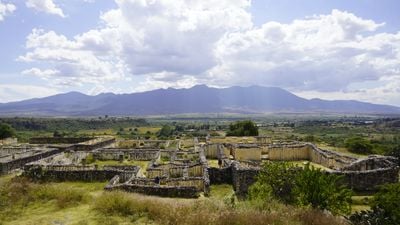
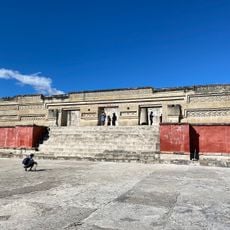
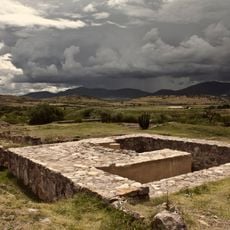
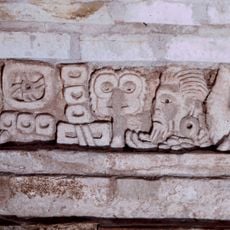
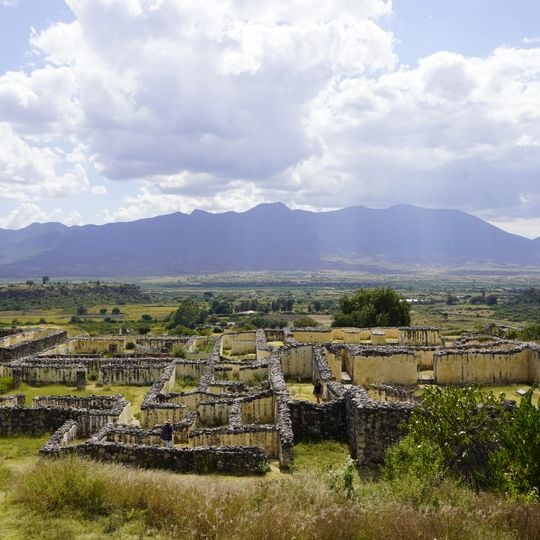
Yagul is a Zapotec archaeological site on a volcanic outcrop in the Tlacolula arm of the Valley of Oaxaca. It is divided into a fortress atop cliffs to the northeast, a ceremonial center of patios bordered by monumental architecture, and residential terraces to the south, east and west. Construction stone is mainly river cobbles of volcanic rock such as basalt.
After Monte Albán declined around 800 CE, this place grew into a major Zapotec center. The defensive walls suggest residents built them during a time of regional conflict to protect their community.
Yagul means "old tree" in Zapotec, from ya (tree) and gul (old). The site is also called Pueblo Viejo, Old Village. After the Spanish Conquest its people were moved to nearby Tlacolula, where their descendants still live.
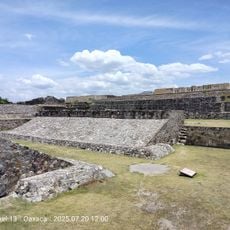
Yagul lies just off Highway 190 between Oaxaca city and Mitla, about 36 km from Oaxaca. The excavated ceremonial centre, with the ballcourt and the Palace of the Six Patios, sits on a hill reached by paths and steps, so allow time for walking between levels. The fortress stands atop the cliffs to the northeast, reached by a narrow bridge to a lookout over the Tlacolula Valley.
The restored ballcourt runs east–west and measures 47 metres long overall, with a 30-metre central field 6 metres wide; it was built between 500 and 700 AD and widened between 700 and 900 AD. A carved serpent's head once fixed to the top of its south wall is now kept in the Regional Museum in Oaxaca.
The community of curious travelers
AroundUs brings together thousands of curated places, local tips, and hidden gems, enriched daily by 93,032 contributors worldwide.