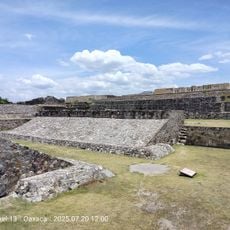
Mitla, Archaeological site in Oaxaca, Mexico
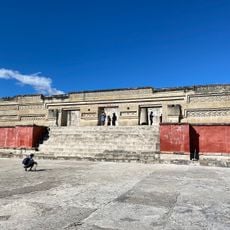
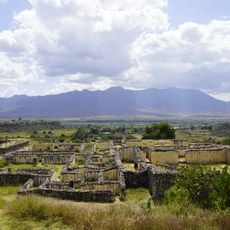
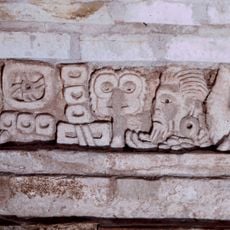
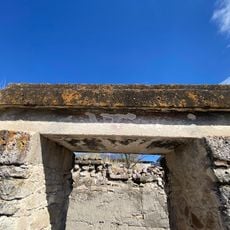
Mitla is an archaeological site in the Mexican state of Oaxaca that consists of five main groups of buildings: the South, Adobe, Arroyo, Columns, and Church complexes. Geometric patterns made from small stones cover walls, tombs, and panels throughout the structures, showing advanced construction techniques without mortar.
Mitla was inhabited from the Classic Period (100–650 CE) and grew into the Zapotecs' main religious center after Monte Albán declined, reaching its height between 750 and 1521. The Mixtec took control around 1000 CE, and the high priest, the Uija-tào, resided there when Spanish expeditions arrived in the 1520s. In 1553 Archbishop Albuquerque ordered the site dismantled, and its stone was reused for the Church of San Pablo.
The name comes from Mictlan, which means place of the dead, as nobles were buried here and became cloud people. These beings served as intermediaries between different realms and human life.
The site lies 44 kilometers from Oaxaca City and makes a good day trip from the city. The complex can be quite open in warm weather, so sun protection and comfortable shoes are advisable.
The Spanish built San Pablo Church directly over a pre-Hispanic platform and integrated an ancient Zapotec temple called yohopàe into its structure. This construction unites two religious worlds in a single architectural space.
The community of curious travelers
AroundUs brings together thousands of curated places, local tips, and hidden gems, enriched daily by 92,943 contributors worldwide.