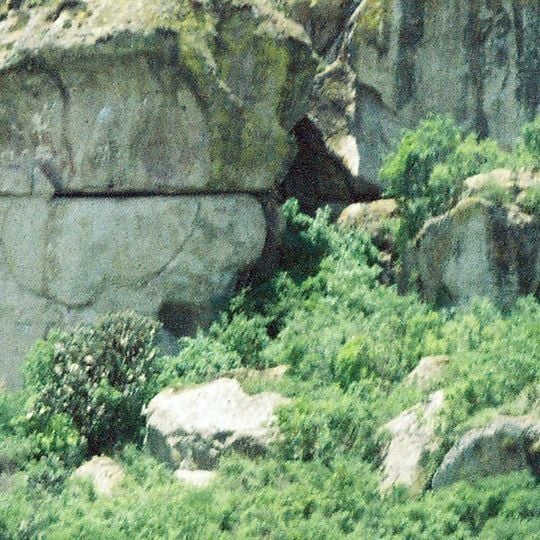
Guilá Naquitz Cave, Archaeological cave in Oaxaca Central Valley, Mexico
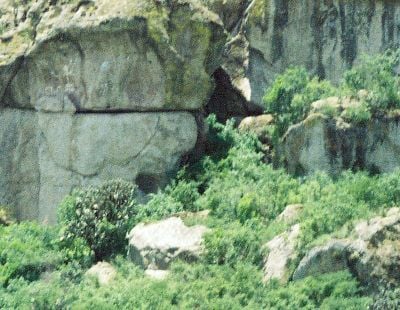
Guilá Naquitz is a cave in the Oaxaca Central Valley with an entrance measuring approximately 8 by 10 meters and depths reaching up to 140 centimeters. The site reveals five distinct rock layers stacked on top of each other at an elevation of about 1,926 meters.
Research in the 1960s revealed that people first visited the cave approximately 10,750 years ago as part of their seasonal movement patterns. Hunter-gatherers left behind tools and other objects across the layers, documenting their long-term relationship with the site.
The cave displays how early inhabitants deliberately cultivated plants such as squash and bottle gourds over generations. Evidence of this practice remains embedded in the rock layers, showing the deep connection between people and the land.
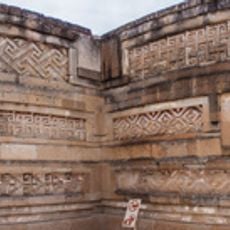
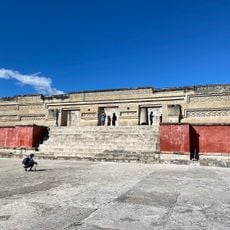
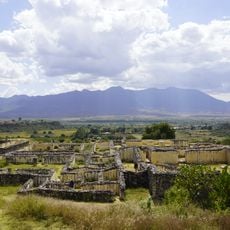
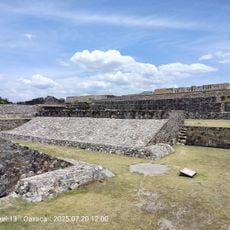
The site lies about 5 kilometers northwest of Mitla and can be visited as part of the larger archaeological complex that includes the Yagul ruins nearby. Combining both locations offers a fuller picture of how ancient people used the surrounding landscape.
Scientists discovered squash rinds with increasing thickness dating back about 8,000 years, showing that early inhabitants deliberately bred plants. This represents one of the oldest known examples of humans modifying wild plants through selective cultivation.
The community of curious travelers
AroundUs brings together thousands of curated places, local tips, and hidden gems, enriched daily by 60,000 contributors worldwide.