Benito Juárez National Park, National park in Valles Centrales Region, Mexico.
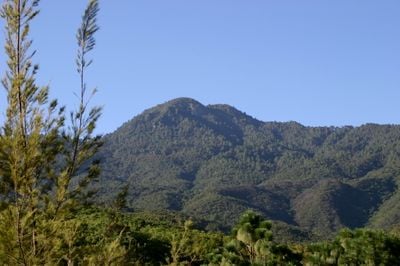
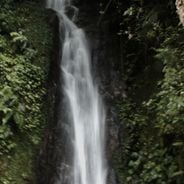
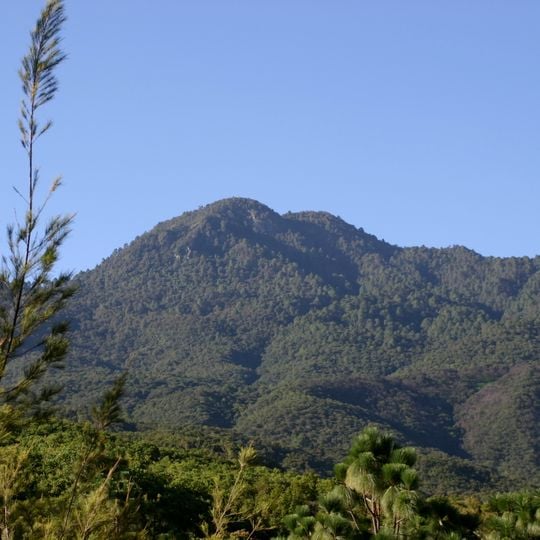
Benito Juárez National Park is a protected area in the Valles Centrales Region featuring mountainous terrain with pine-oak forests and deep valleys. The land rises and falls across different elevations and includes rivers that flow through the landscape.
The area was established on December 30, 1937, and named after President Benito Juárez, who was born in Oaxaca. It was created during the administration of General Lázaro Cárdenas del Río as part of Mexico's effort to protect natural spaces.
The territory holds visible archaeological remains that connect to Zapotec culture and continue to shape local traditions in surrounding communities. Walking through the park, you can feel how these ancient roots remain important to the people who live nearby.
The park is accessible by road about five kilometers north of Oaxaca City and offers hiking trails, camping areas, and spots for observing wildlife. Visit during the drier months when the trails are easier to walk and visibility is better.
The park is home to a rare bird species called the dwarf jay that is found nowhere else in the region. The rivers flowing through the landscape also serve an important function supplying water to Oaxaca City.
Location: Oaxaca
Inception: December 30, 1937
GPS coordinates: 17.16806,-96.73889
Latest update: December 6, 2025 17:41
Oaxaca brings together pre-Columbian temple complexes, colonial monasteries, and villages where traditional crafts are still made today. At Monte Alban and Mitla, structures stand that were built centuries before Spanish arrival. The region extends from mountain landscapes in the north to coastal areas with lagoons and beaches in the south. Natural variety ranges from waterfalls like La Reforma to the petrified springs of Hierve el Agua. In villages such as Teotitlán del Valle, families weave rugs using techniques passed down through generations. San Martín Tilcajete is known for its wood carvings. Along the coast, places like Mazunte and Puerto Escondido provide access to the Pacific. Colonial churches such as Santo Domingo Yanhuitlán and the chapel at Ocotlán display architecture from the sixteenth and seventeenth centuries.
Monte Albán
14.2 km
Árbol del Tule
17.4 km
Zaachila
24 km
San José Mogote
6.9 km
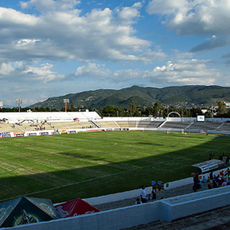
Estadio Tecnológico de Oaxaca
9.8 km
Basilica of Our Lady of Solitude
11.7 km
Cathedral of Our Lady of the Assumption, Oaxaca
11.9 km
Auditorio Guelaguetza
11.1 km
Teatro Macedonio Alcalá
11.9 km
Dainzú
26.7 km
Ex-monastery of Santiago Apóstol
20 km
Jardín Etnobotánico de Oaxaca
11.4 km
Estadio Benito Juárez
11.3 km
Museo Estatal de Arte Popular de Oaxaca
23.6 km
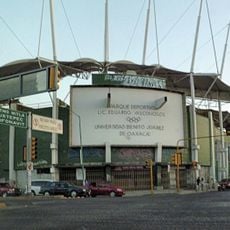
Eduardo Vasconcelos Stadium
11.3 km
Oaxaca México Temple
14.3 km
Centro Académico y Cultural San Pablo
12 km
Church of San Pablo
8.9 km
Museo Textil de Oaxaca
12.1 km
Museo de Filatelia de Oaxaca
11.5 km
Archaeological Zone of Atzompa
10.9 km
Museo Del Ferrocarril Mexicano Del Sur
11.1 km
Library Fray Francisco de Burgoa
11.4 km
Centro Fotográfico Manuel Álvarez Bravo
11.6 km
Museo de Arte Prehispánico de México Rufino Tamayo
11.7 km
Museo de Sitio Casa Juárez
11.3 km
Viewpoint with tower
27.2 km
San Miguel Aloápam (munisipyo)
26.3 kmReviews
Visited this place? Tap the stars to rate it and share your experience / photos with the community! Try now! You can cancel it anytime.
Discover hidden gems everywhere you go!
From secret cafés to breathtaking viewpoints, skip the crowded tourist spots and find places that match your style. Our app makes it easy with voice search, smart filtering, route optimization, and insider tips from travelers worldwide. Download now for the complete mobile experience.
A unique approach to discovering new places❞
— Le Figaro
All the places worth exploring❞
— France Info
A tailor-made excursion in just a few clicks❞
— 20 Minutes