San José Mogote, Archaeological site in Guadalupe Etla, Mexico
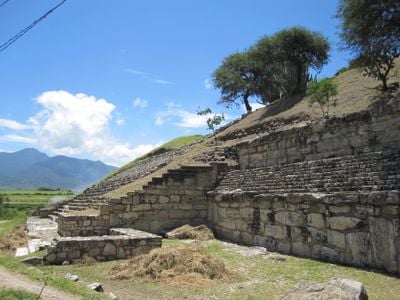
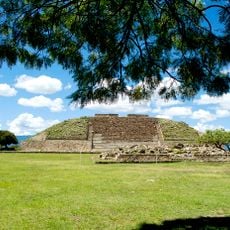
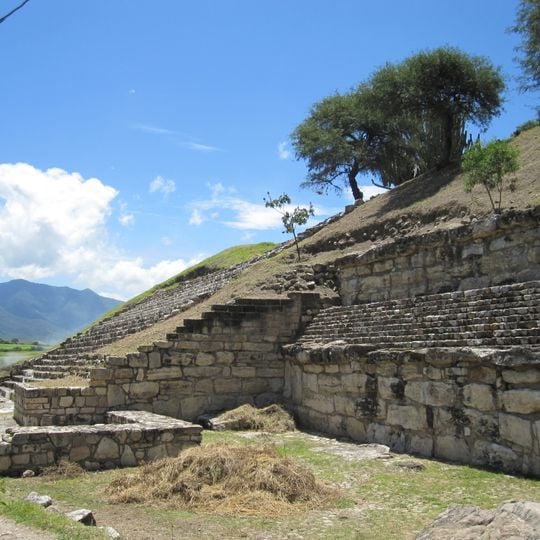
San José Mogote is an archaeological site in the Oaxaca Valley with ruins of buildings, ceremonial areas, and residential settlements spread across the terrain. Excavations have uncovered pottery, stone tools, and carved reliefs showing early writing systems that tell of life in this ancient community.
The settlement emerged around 1500 BCE as the region's first permanent village with organized farming. Later it was overshadowed by the rising Monte Albán civilization, but its early developments shaped Zapotec culture for centuries to come.
The site shows how early Zapotec people lived through household remains, pottery, and stone carvings with writing symbols. Visitors can observe how they organized daily tasks and what symbols held meaning for them.
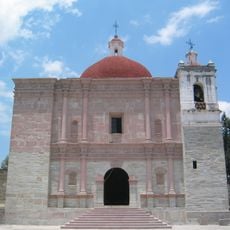
The grounds are crossed with paths that allow visitors to explore the various areas, while the associated community museum in the former El Cacique Hacienda displays the findings. Visitors should wear comfortable shoes and be prepared for uneven terrain.
Archaeological findings reveal that inhabitants developed early irrigation systems with channels to direct water from streams. These innovative techniques were among the oldest in Mesoamerica and enabled farming on a larger scale.
The community of curious travelers
AroundUs brings together thousands of curated places, local tips, and hidden gems, enriched daily by 92,530 contributors worldwide.