LSU Honors College, Academic institution in Baton Rouge, Louisiana.
The LSU Honors College is a dedicated program within Louisiana State University that combines smaller class settings and collaborative learning for accomplished students. The program weaves together courses and research options that let students explore how different subjects relate to each other.
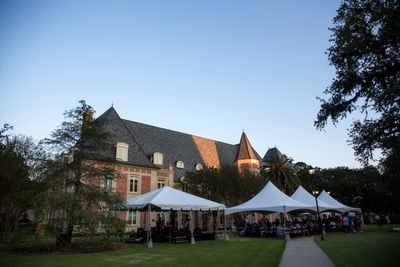
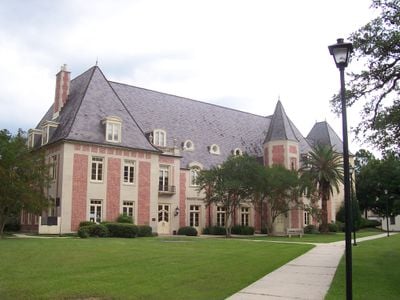
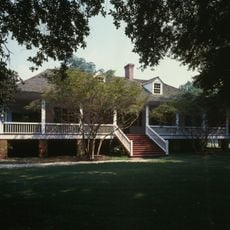
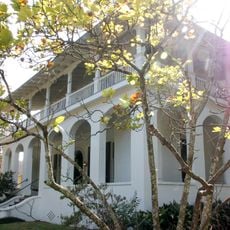
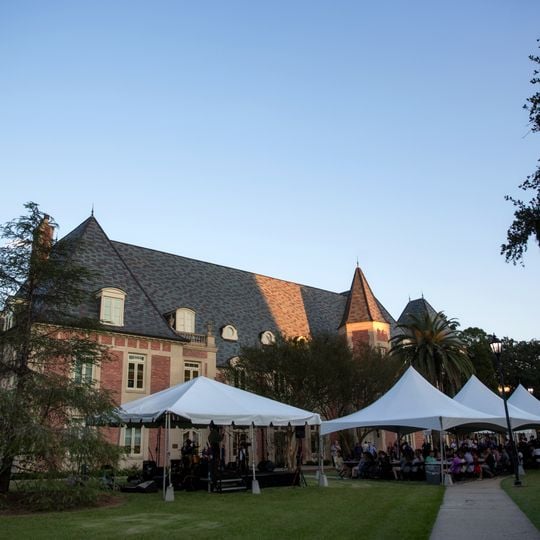
Honors courses began at LSU in 1967, when professors Charles Bigger and Edward Henderson developed team-taught collaborative classes. In 1992 the Board of Supervisors turned the program into the LSU Honors College, first led by dean Bill Seay. The college moved into the French House in 1999; the building, dedicated in 1935, was added to the National Register of Historic Places on January 13, 1982.
The building's name comes from its 1935 origin as a center for French language and culture; Ambassador André de Laboulaye laid its cornerstone with a piece of wood from Fort de la Boulaye, the first French settlement in Louisiana. His son François rededicated it in 1981. The Honors College moved in during 1999.
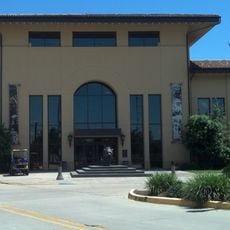
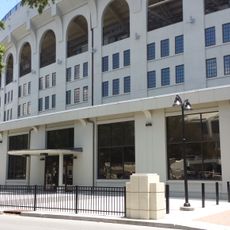
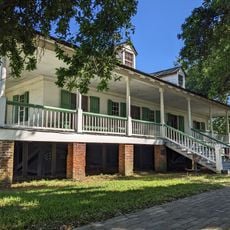
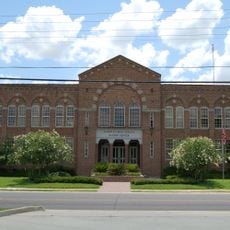
The French House stands on LSU's campus at the corner where the Honors College sign marks the entrance; the Laville Honors House residence hall and the 459 Dining Commons sit nearby. The building is a working academic college, so visitors see the brick-and-slate exterior and the "HONORS COLLEGE" sign rather than seminar rooms. The 3-acre site was listed on the National Register on January 13, 1982.
Each student completes a guided final project under the direction of a major professor that produces new knowledge in their field. This means students contribute actual academic work during their time here rather than just preparing for future roles.
The community of curious travelers
AroundUs brings together thousands of curated places, local tips, and hidden gems, enriched daily by 94,560 contributors worldwide.