Lakeport Plantation, human settlement in Arkansas, United States of America
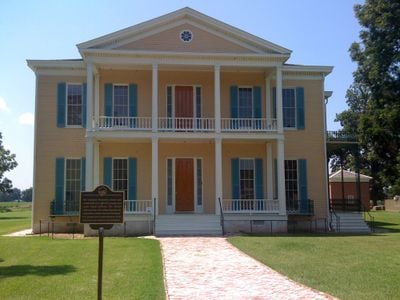
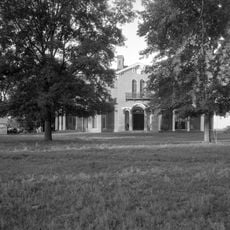
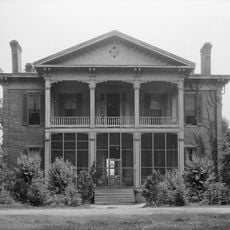
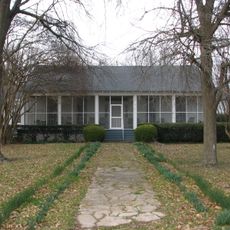
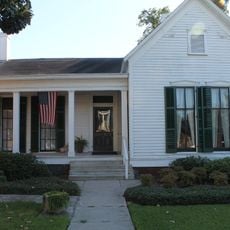
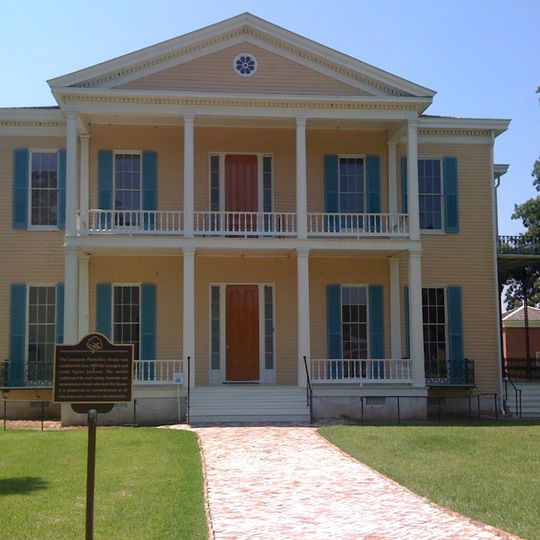
Lakeport Plantation is a two-story Greek Revival mansion built in 1859 beside the Mississippi River in Arkansas. The house is constructed from local cypress wood and features a broad front porch with white columns, large shuttered windows painted blue-green, and ten rooms on the first floor including two parlors, a dining room, a music room, and an attached kitchen.
The house was built in 1859 by Lycurgus Johnson, who inherited and expanded the plantation from his father Joel and controlled over 4,400 acres with more than 150 enslaved people. After the Civil War, Lycurgus kept his land and earned recognition for treating the freed workers fairly, before the property was sold to merchant Sam Epstein in 1927.
Lakeport Plantation reflects the name of the Johnson family who shaped the estate in the 1800s and later transferred it to other owners. The exhibits tell stories about landowners, enslaved people, tenant farmers, and artisans, making visible the different lives and roles that existed on the property.
Visitors can explore the house through guided tours offered hourly on weekdays or on their own with self-guided tours available from morning to afternoon. The property is easy to reach with accessible amenities, and the grounds include outbuildings such as a smokehouse and a separate kitchen building that provide a complete picture of the estate.
The mansion was owned by the Johnson family but later purchased by Sam Epstein, a Russian immigrant who became a leading citizen of the county through successful merchant and investment ventures. Arkansas State University took over restoration in 2001 and opened the property as a museum to the public in 2007.
The community of curious travelers
AroundUs brings together thousands of curated places, local tips, and hidden gems, enriched daily by 92,156 contributors worldwide.