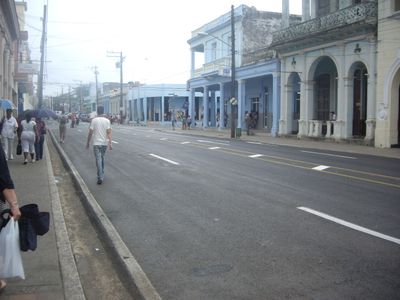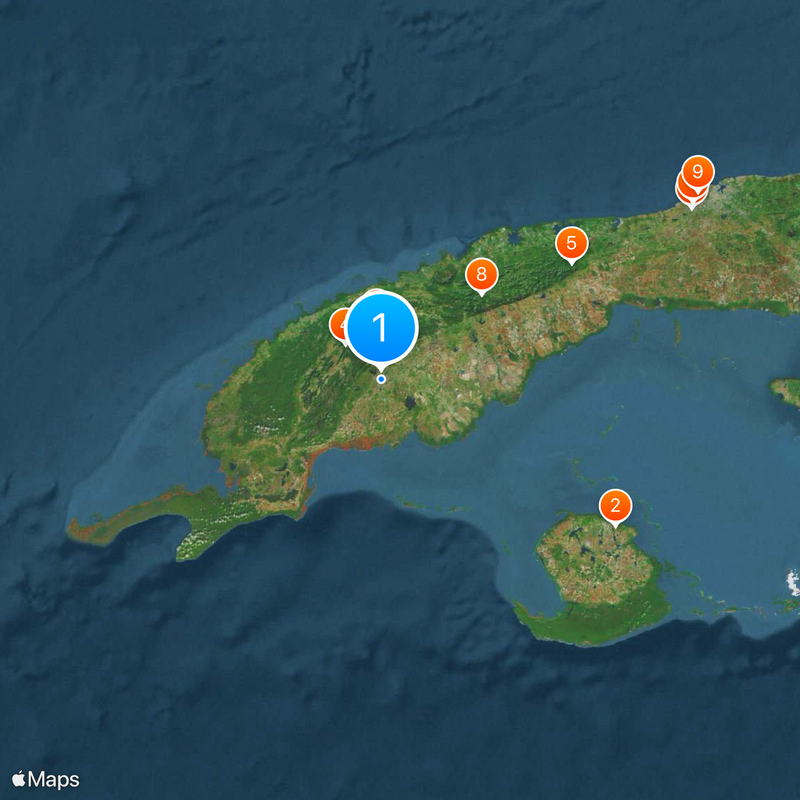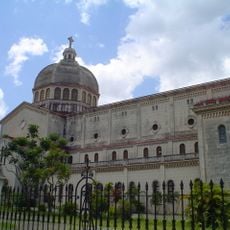
Pinar del Río, Provincial capital in western Cuba
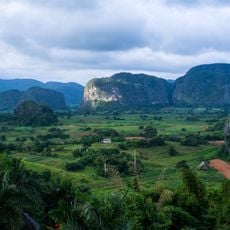
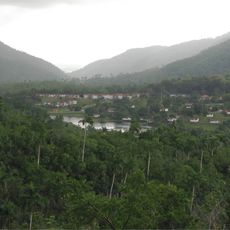
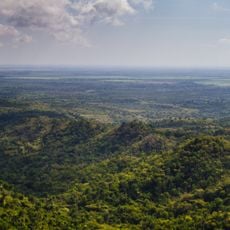
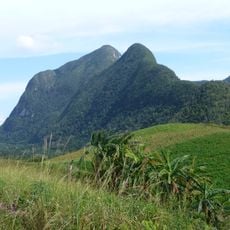
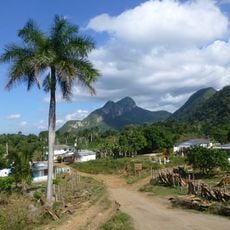
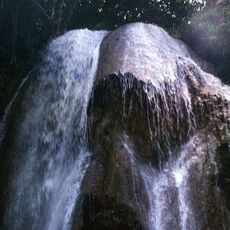
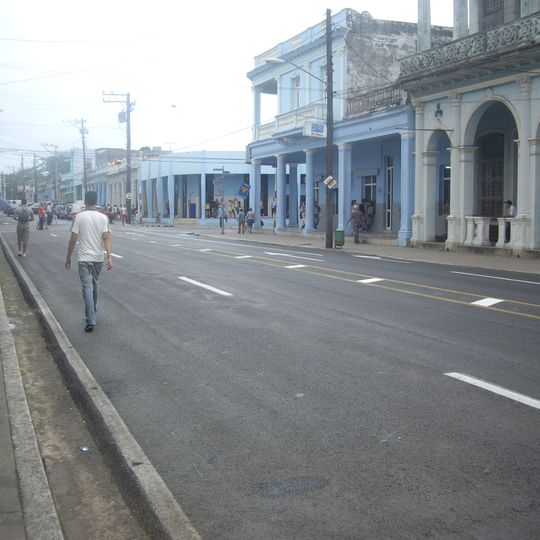
Pinar del Río is the provincial capital at Cuba's western edge, situated in fertile valleys surrounded by distinctive limestone hills called mogotes. The city serves as the hub for an extensive tobacco-growing region and sits near several natural landmarks.
The city was founded in 1774 as Nueva Filipinas, named after Philippine workers who labored in tobacco plantations at that time. It later took its current name from the pine forests that once covered the area near Río Guamá.
Tobacco farming shapes the local identity and landscape here, with farmers using methods passed down through their families for centuries. You can see this heritage reflected in how the countryside is organized and how people talk about their work.
Regular buses connect the city to Havana, and you can get around locally by taxi or bicycle to reach surrounding areas. The best time to visit is during the dry season when tobacco harvesting happens and the region feels most active.
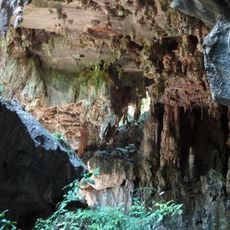
Near the city lies Cueva de los Portales, a cave system that served as a command center during a critical moment in Cold War history. Few visitors realize this underground location played a role in one of the most tense international standoffs of the 20th century.
The community of curious travelers
AroundUs brings together thousands of curated places, local tips, and hidden gems, enriched daily by 92,791 contributors worldwide.