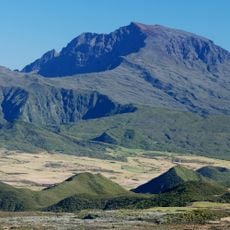
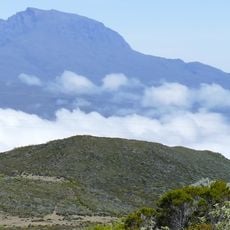
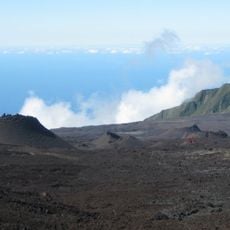
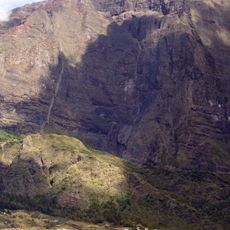
Cirque de Cilaos, Volcanic caldera in Réunion Island, France.
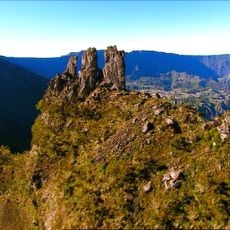
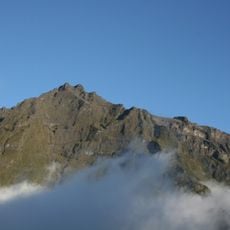
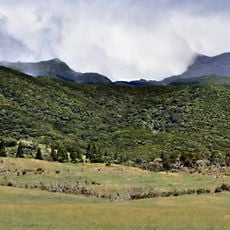
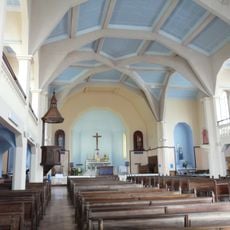
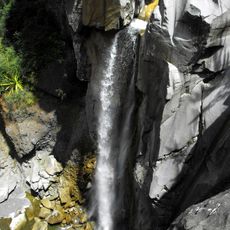
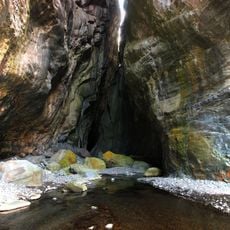
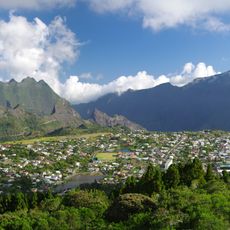
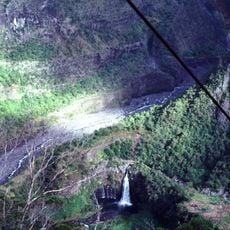
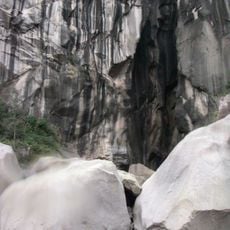
Cirque de Cilaos is a volcanic caldera on Reunion Island with a broad valley floor surrounded by steep rock walls and cascading waterfalls. The landscape features dense vegetation on the slopes, natural pools, and deeply carved ravines that have been shaped by water and time.
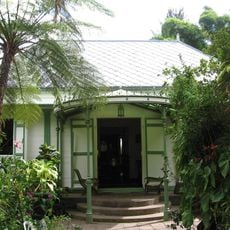
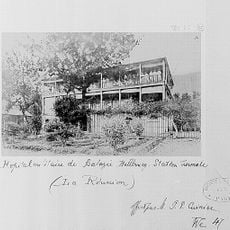
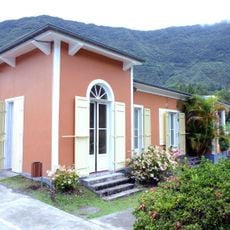
The Cirque de Cilaos is the southernmost caldera of the Piton des Neiges, a dormant volcano on Réunion. Its name comes from the Malagasy word toilaosa, meaning "land one does not leave". Most of its hamlets, called îlets, were founded by marrons, escaped slaves who settled in the island's inaccessible highlands; Méon and Les Salazes are among the best known. In 1927 residents decided to build a road to Saint-Louis, cut through the rock over eight years by workers from Madagascar without explosives.
The tradition of Jours de Cilaos embroidery remains alive in local workshops, where artisans create intricate needlework patterns. Visitors can watch craftspeople at work and see how this skilled technique has been passed down through families living in the valley.
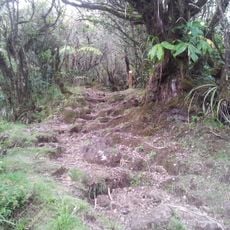
The road from Saint-Louis, built between 1927 and 1935, was cut through the rock by workers from Madagascar without explosives; it climbs in tight, steep bends to Cilaos at 1,207 m. The villages of Bras Sec (1,263 m) and Îlet à Cordes (1,121 m) are reached by narrow, winding roads. From the Col du Taïbit a footpath leads north to the Cirque de Mafate.
This area once recorded one of the highest rainfall amounts globally in a single day, showing the extreme power of water that shapes this landscape. This rare weather event explains why the region is crossed by so many rivers and cascades.
The community of curious travelers
AroundUs brings together thousands of curated places, local tips, and hidden gems, enriched daily by 94,154 contributors worldwide.