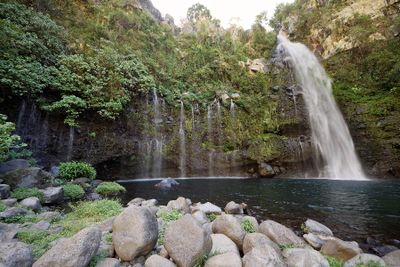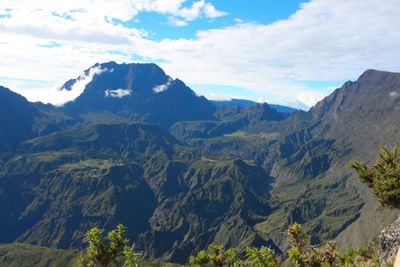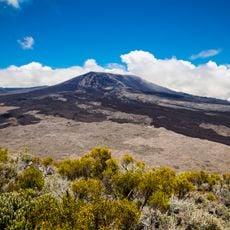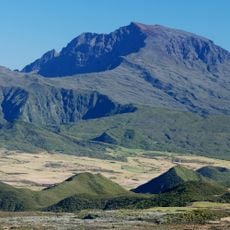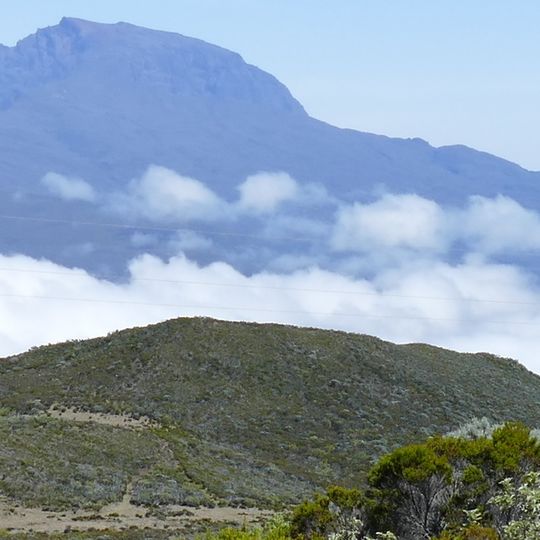
Réunion National Park, National park in Reunion Island, France
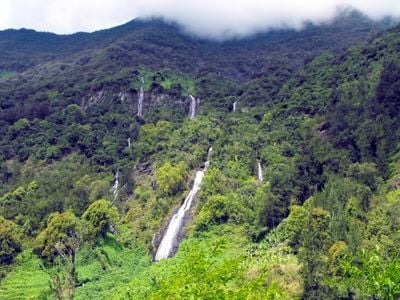
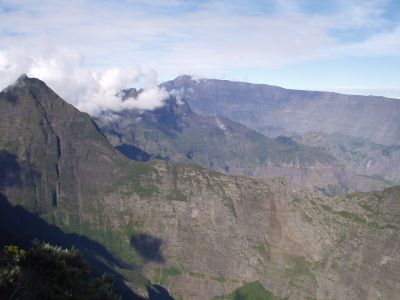
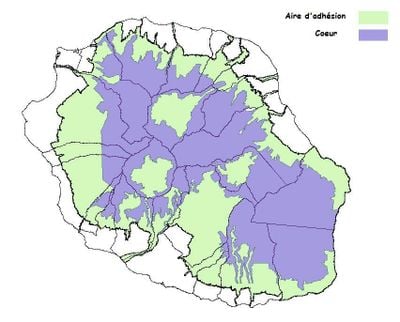
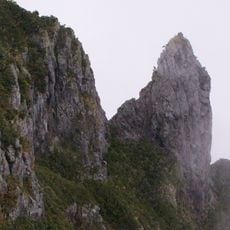
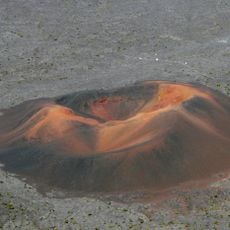
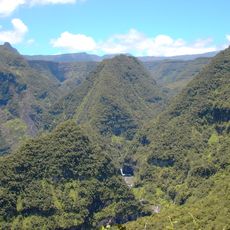
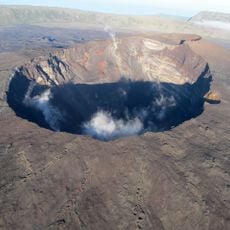
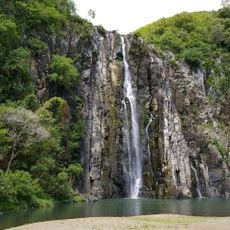
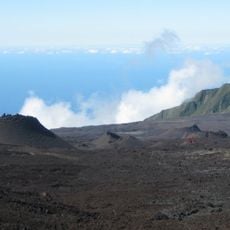
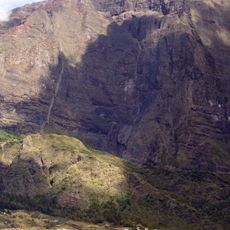
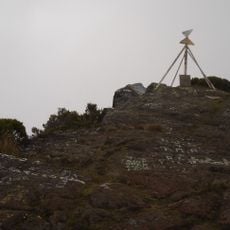
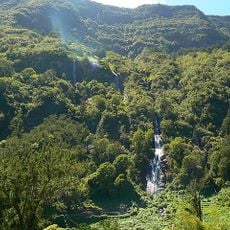
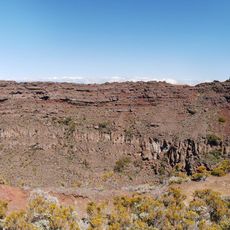
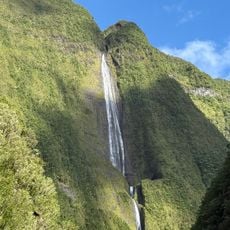
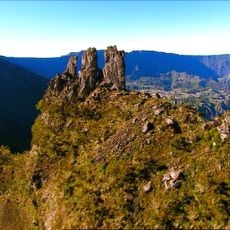
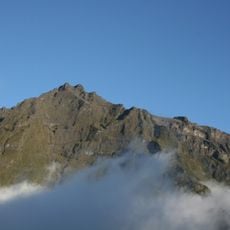
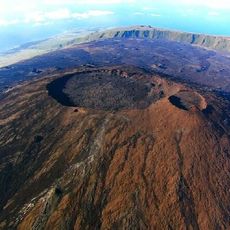
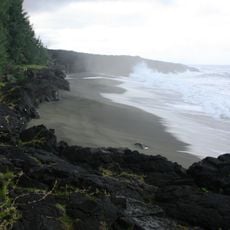
Réunion National Park covers 1,053.84 km² of the island's interior, about 42% of its surface, across 23 communes, with a buffer zone touching all 24. Its backbone is formed by two volcanoes: Piton des Neiges, over 3,000 m high, and the still-active Piton de la Fournaise. The World Heritage core includes the Mare Longue forest at Saint-Philippe, the Cirque de Cilaos with the Pain de Sucre and La Chapelle rock formations above the Bras Rouge gorge, the Cirque de Salazie with the 1,356 m Piton d'Anchaing, and La Grande Chaloupe between Saint-Denis and La Possession.
The park was established on March 5, 2007, and received UNESCO World Heritage status in 2010 for its exceptional natural formations. This recognition reflected the international significance of the site for science and conservation.
The settlements of Mafate and Salazie within the park are home to people who maintain Creole traditions in their daily lives while living alongside the protected environment. These communities show how residents have preserved their way of life across generations in this remote mountain setting.
An extensive network of hiking trails connects different elevation zones and allows visitors to explore varying landscapes and climates within the park. The trails pass through areas with over 850 native plant species, so visitors should be prepared for changing weather conditions at higher altitudes.
The park's core area covers 1,053.84 km², about 42% of Réunion, and with its buffer zone it extends over more than 75% of the island, touching all 24 communes. Its World Heritage listing of 2010 covers four areas, among them the Mare Longue forest at Saint-Philippe, which holds some of the best-preserved low-altitude tropical forest on the island.
The community of curious travelers
AroundUs brings together thousands of curated places, local tips, and hidden gems, enriched daily by 94,047 contributors worldwide.