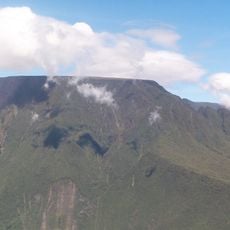
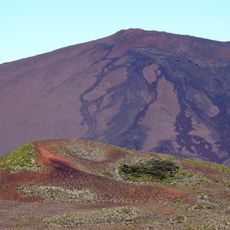
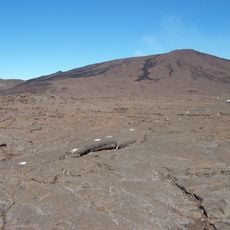
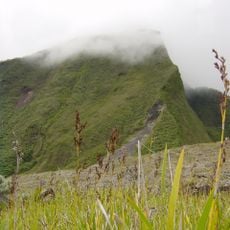
Formica Leo, Volcanic crater in Sainte-Rose, France
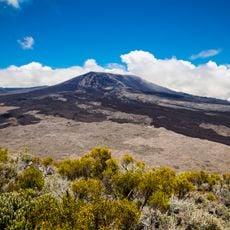
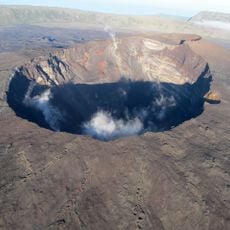
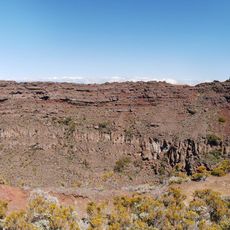
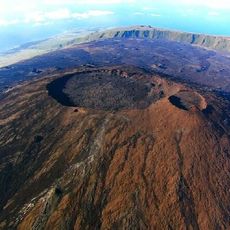
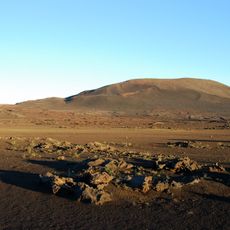
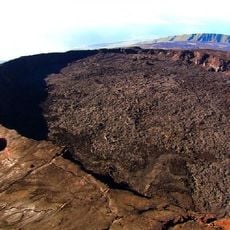
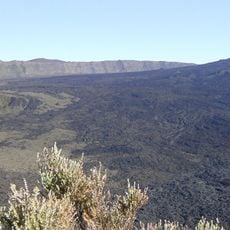
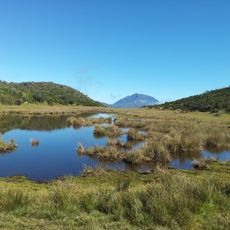
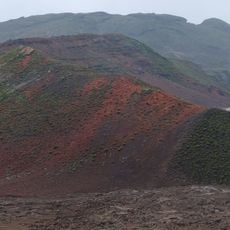
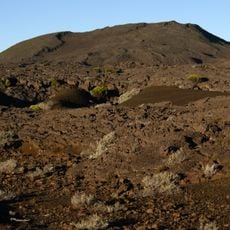
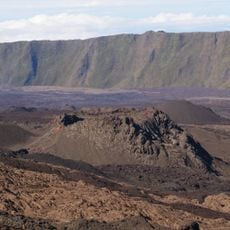
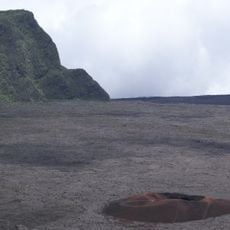
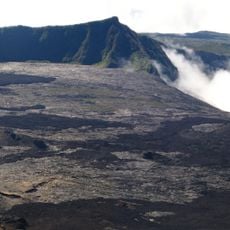
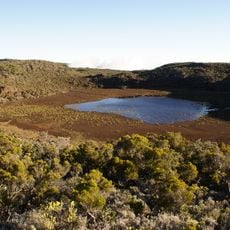
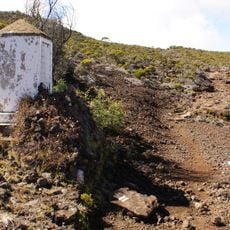
Formica Leo is a volcanic cone in Sainte-Rose consisting of two overlapping craters at roughly 2200 meters elevation. The crater walls are covered with black and reddish volcanic pebbles that create a stark landscape.
Formica Leo formed during an exceptional eruption in 1753, according to Honoré de Crémont, who reported that the slave hunter Jean Dugain witnessed it. Joseph Hubert first approached the cone on 28 October 1768, during the first documented crossing of the Enclos Fouqué after descending the Bellecombe rampart. Jean-Baptiste Bory de Saint-Vincent, author of its first known scientific description, named it after the antlion, whose scientific name could have been Formica-leo.
The name comes from the antlion, an insect whose scientific name Formica-leo inspired Jean-Baptiste Bory de Saint-Vincent when he named the cone after making its first known scientific description. Local tradition, reported by Honoré de Crémont, holds that the cone formed in 1753 before the hunter Jean Dugain, but it was first approached on 28 October 1768, when Joseph Hubert made the first documented crossing of the Enclos.
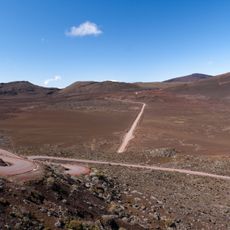
The site is accessible via a hiking trail of about 3 kilometers that takes roughly one hour and climbs about 200 meters in elevation. Sturdy footwear and plenty of water are essential as the terrain is volcanic and exposed.
The two summit funnels differ: the western one is nearly circular and about five metres deep, while the other is wider, roughly fifty metres across, less perfectly round and reaches fifteen metres deep. Both have inner slopes of about thirty degrees, and the volcanic conduit at the bottom is completely plugged.
The community of curious travelers
AroundUs brings together thousands of curated places, local tips, and hidden gems, enriched daily by 94,292 contributors worldwide.