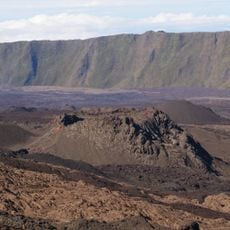
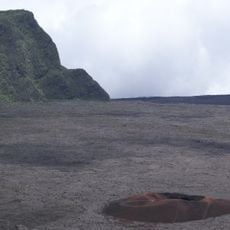
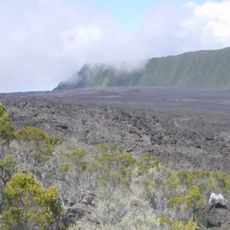
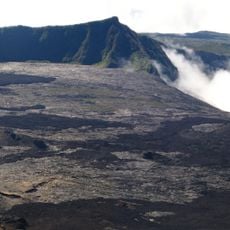
Chapelle de Rosemont, Volcanic cave in Sainte-Rose, Réunion Island, France.
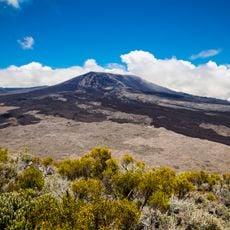
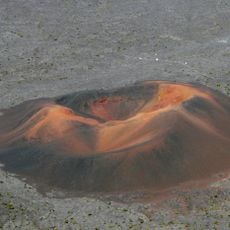
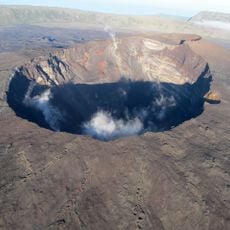
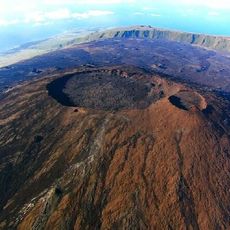
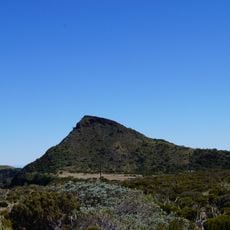
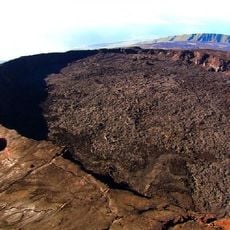
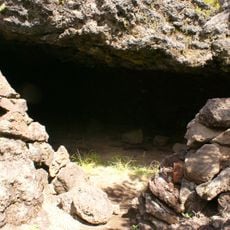
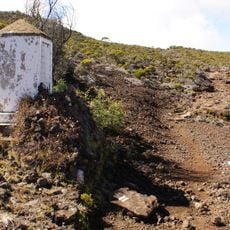
The Chapelle de Rosemont is a volcanic cave located at the base of Piton de la Fournaise, shaped by natural lava formations from past eruptions. The cave sits within Réunion National Park and displays the rocky chambers and passages carved by ancient flows.
Honoré de Crémont's writings show the Chapelle de Rosemont already existed during the first expedition into the Enclos Fouqué in late October 1768. In October 1791, after that summer's eruption, painter J. J. Patu de Rosemont drew the rock formation on an expedition led by naturalist Joseph Hubert and Captain Alexis Bert, and it took his name. Jean-Baptiste Bory de Saint-Vincent visited in the early 19th century. The lava flow of 13 July 2018 partly engulfed it.
The name comes from J. J. Patu de Rosemont, the painter who drew the rock formation in October 1791 during the volcano expedition led by Joseph Hubert and Alexis Bert. The hollow hornito is still called a chapel, and walkers on the Sentier du Cratère Dolomieu pass it as a landmark in the Enclos Fouqué.
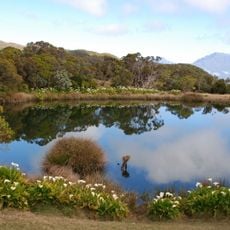
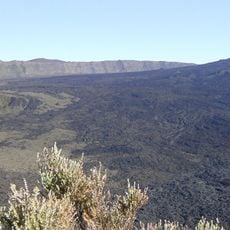
The site sits at high elevation on the volcano's slopes and is reached via hiking trails that connect through the park network. Conditions can be demanding, so sturdy footwear and decent fitness are essential for the journey.
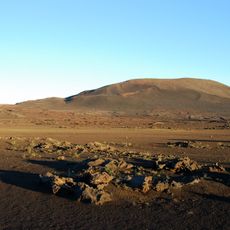
The 13 July 2018 lava flow from the 3 April–1 November eruption partly buried the hornito, not completely: the cave mouth is still visible in the lava field. The hollow hornito is a cave, and the trail of the Cratère Dolomieu passes close by.
The community of curious travelers
AroundUs brings together thousands of curated places, local tips, and hidden gems, enriched daily by 93,772 contributors worldwide.