Lake Bindegolly National Park, National park in Dynevor, Queensland, Australia.
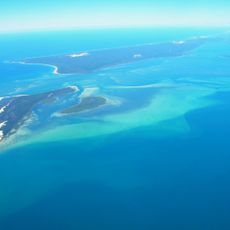
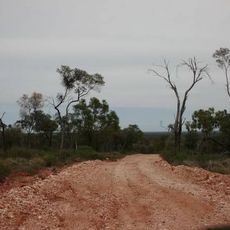
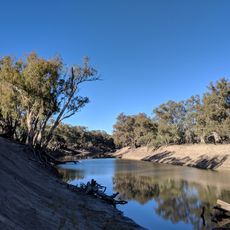
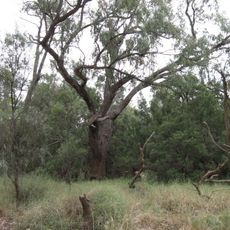
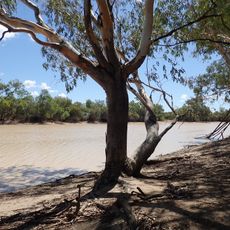
Lake Bindegolly National Park is a protected area in Queensland featuring three interconnected lakes - two saline and one freshwater - set within open woodlands and grasslands. The lakes and their surroundings support diverse plant and animal communities adapted to this semi-arid environment.
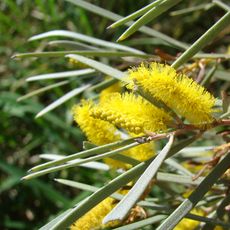
Lake Bindegolly National Park was established to protect a population of the rare plant Acacia ammophila, which grows mainly along the sand dunes on the lake's eastern shore. The park lies in the Mulga Lands ecoregion of South West Queensland, 40 km east of Thargomindah and 871 km west of Brisbane. A 318 km² area of the lake and its surroundings has been classified by BirdLife International as an Important Bird Area.
The park lies in the Mulga Lands, and its three lakes form the most important wetland in south-west Queensland, fringed by saltmarsh and claypans. The name Bindegolly is used for the largest lake, Lake Bindegolly, beside Lake Toomaroo and Lake Hutchinson. Visitors today come to watch the waterbirds gathered on the saline and freshwater lakes.
The park lies directly north of the Bulloo Developmental Road, 40 km east of Thargomindah and 150 km west of Cunnamulla. Vehicles must be parked on the roadside, as driving inside the park is prohibited, and entry is on foot only. A 9 km walking track runs along Lake Bindegolly and through the sand dunes on its eastern shore. Camping and boating on the lakes are not permitted.
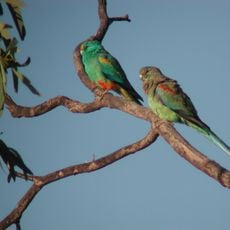
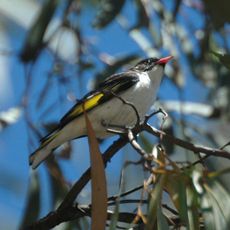
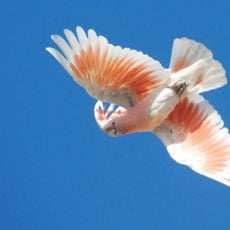
BirdLife International designated a 318 km² Important Bird Area covering the lakes and their surrounds because the site has supported over 1% of the world populations of blue-billed ducks and red-necked avocets. The same area also holds inland dotterels, Bourke's parrots and Hall's babblers.
The community of curious travelers
AroundUs brings together thousands of curated places, local tips, and hidden gems, enriched daily by 94,362 contributors worldwide.