Big Thicket, Protected forest in southeast Texas, United States
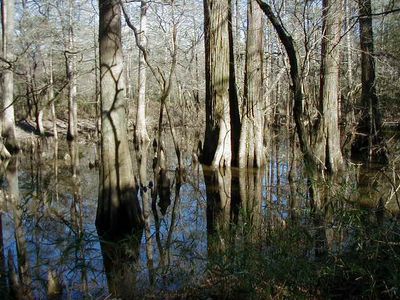
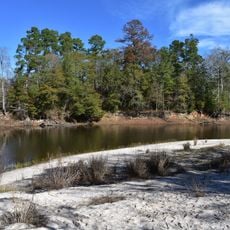
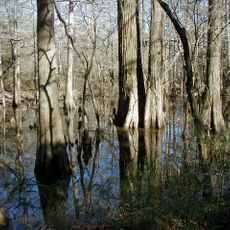
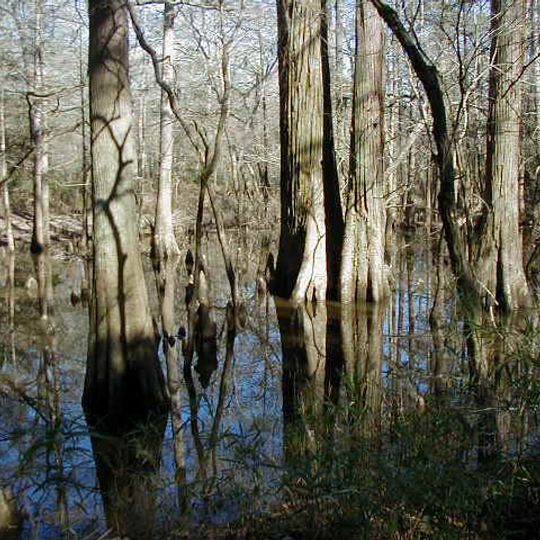
Big Thicket is a large protected forest in southeast Texas containing nine distinct ecological zones. These range from pine woodlands to swampy bayou areas and are spread across separate parcels of land and water throughout the region.
The preserve was officially established in 1974 following conservation efforts that started decades earlier to stop intensive logging in the area. This designation became a turning point in protecting the region from further resource extraction and environmental damage.
Native peoples including the Alabama-Coushatta maintained settlements throughout this region for generations, shaping how the land and its resources were understood and used. Their heritage remains part of the local identity and the relationship people have with the forest today.
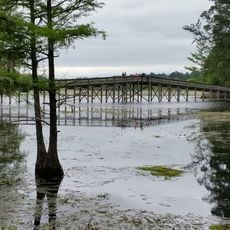
The area has about 40 miles of hiking trails and over 300 miles of waterways open for exploration and paddling. Visitors can camp at designated areas, fish in certain zones, and use the extensive path networks to reach different ecosystems throughout their stay.
The forest is home to four species of carnivorous plants including pitcher plants and sundews that grow in specific wet areas. These unusual plants often surprise visitors and show how living things adapt to survive in challenging conditions here.
Location: Texas
Elevation above the sea: 396 m
GPS coordinates: 30.54750,-94.34000
Latest update: December 6, 2025 16:01
Texas combines landscapes that barely resemble each other. The west spreads out in deserts and sand dunes, while the east is marked by swamps and dense forests. Between these extremes lie limestone cliffs, natural springs, and waterfalls that bubble up from the ground. The size of the state allows for this variety. A traveler can hike through dry canyons one day and wade through marshland the next. The state preserves places from different chapters of history. Spanish missions built in the 18th century stand near Native American quarries used for thousands of years. Mining towns and military forts from the 1800s now sit empty, their wooden structures weathered by sun and wind. Plantation houses with wide porches remain from before the Civil War. Visitors can also find a Japanese garden in San Antonio, a replica of Stonehenge in the Hill Country, and underwater caves where divers explore submerged passages. The variety makes it possible to see ancient footprints, colonial architecture, and ghost towns in the same trip.
Edison Museum
56.5 km
Babe Didrikson Zaharias Museum & Visitor Center
54.7 km
Edison Plaza
56.5 km
McFaddin-Ward House
55.6 km
Beaumont Commercial District
56.7 km
Art Museum of Southeast Texas
56.6 km
Crockett Street
56.5 km
Jack Brooks Federal Building
56.4 km
Lake Amanda
39 km
Goodhue Building
56.5 km
First National Bank Building
56.7 km
Edson Hotel
56.5 km
San Jacinto Building
56.8 km
Kyle Building
56.4 km
Gilbert Building (Beaumont, Texas)
56.6 km
Orleans Building
56.7 km
Kirby-Hill House
19.9 km
US 190 Bridge at the Neches River
36.6 km
First City Building
56.7 km
Big Thicket National Preserve
35.7 km
Jasper County Courthouse
52.8 km
Hardin County Courthouse
20.1 km
Woman's Club of Beaumont Clubhouse
56.1 km
Tyler County Courthouse
26.4 km
Fire Museum of Texas
56.4 km
Heritage Village Museum
27 km
Belle-Jim Hotel
52.9 km
Mildred Building and Arcade Building
55.9 kmVisited this place? Tap the stars to rate it and share your experience / photos with the community! Try now! You can cancel it anytime.
Discover hidden gems everywhere you go!
From secret cafés to breathtaking viewpoints, skip the crowded tourist spots and find places that match your style. Our app makes it easy with voice search, smart filtering, route optimization, and insider tips from travelers worldwide. Download now for the complete mobile experience.
A unique approach to discovering new places❞
— Le Figaro
All the places worth exploring❞
— France Info
A tailor-made excursion in just a few clicks❞
— 20 Minutes