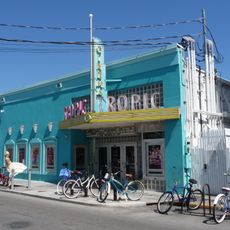
Florida Keys, Archipelago in Florida, United States
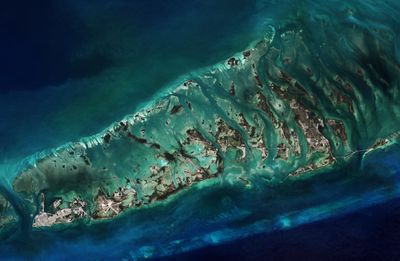
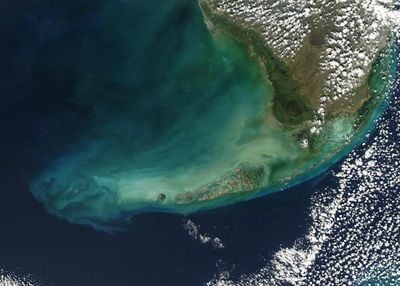
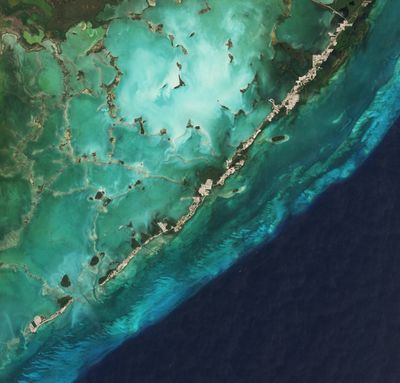
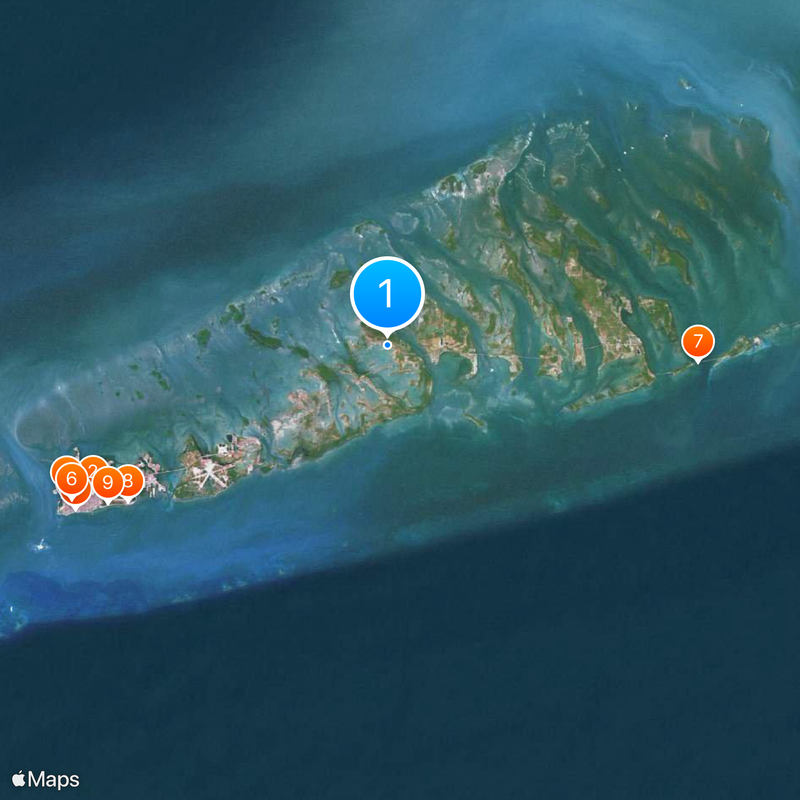
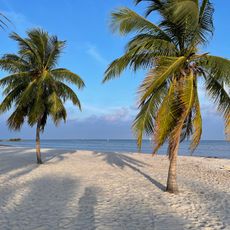
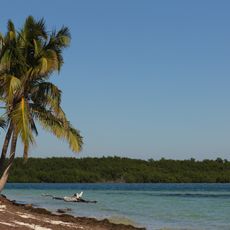
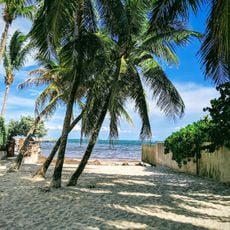
The Florida Keys stretch about 120 miles (190 km) south of Miami along the Florida Straits, forming a natural barrier between the Atlantic Ocean and the Gulf of Mexico. The chain consists of limestone islands of varying sizes, some inhabited and others serving as protected natural areas.
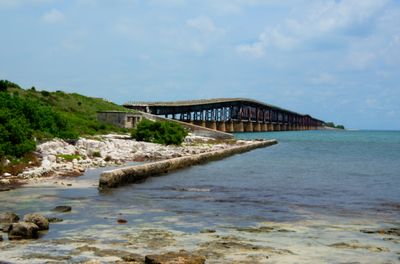
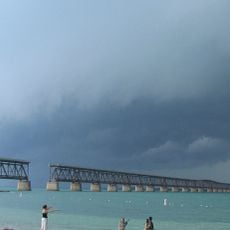
Spanish explorer Ponce de León mapped this chain of islands in 1513, establishing the first documented European contact with the limestone formations. The region later developed through sponge diving, shipwreck salvaging, and the construction of Henry Flagler's railroad in the early twentieth century.
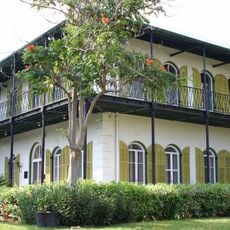
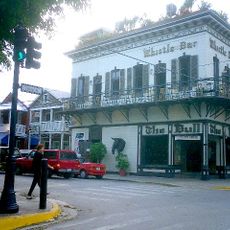
In Key West, visitors can see the Ernest Hemingway House, where descendants of his original polydactyl cats still roam and his writing studio remains as he left it. The local population maintains a relaxed island culture that shows itself in daily sunset rituals at Mallory Square, where residents and travelers gather to watch the day end.
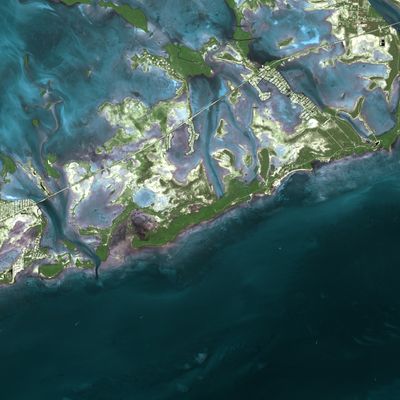
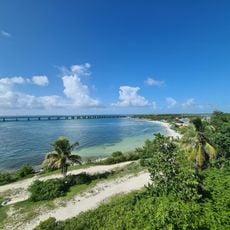
The Overseas Highway connects the entire chain through 42 bridges, including the Seven Mile Bridge that spans more than 7 miles (11 km) across open water. Drivers should take care during sunrise and sunset, when the reflecting water can affect visibility.
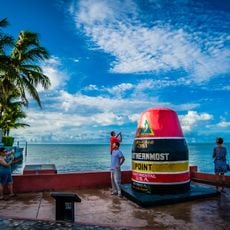
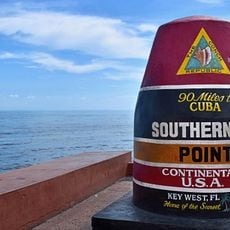
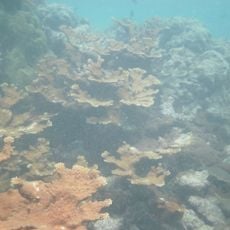
The region is home to the only living coral barrier reef in North America, extending about 221 miles (355 km) parallel to the chain. Visitors can also reach the southernmost point of the continental United States, marked by a buoy in Key West.
The community of curious travelers
AroundUs brings together thousands of curated places, local tips, and hidden gems, enriched daily by 90,874 contributors worldwide.