Looe Key, Coral reef in Monroe County, United States.
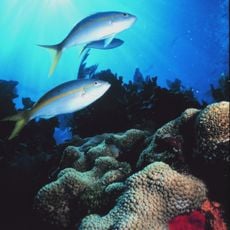
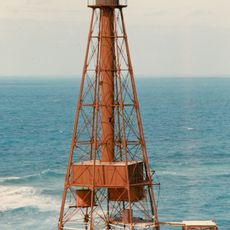
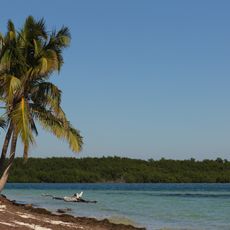
Looe Key is a coral reef in the Florida Keys National Marine Sanctuary, south of Big Pine Key. It lies within a Sanctuary Preservation Area, with part of its patch reefs landward of the main reef designated Research Only. The reef is named after HMS Looe, which ran aground and sank here in 1744.
The reef takes its name from the British ship HMS Looe, which sank in these waters in 1744, marking one of the earliest documented shipwrecks in the region. The name serves as a reminder of these waters' importance as a shipping route.
The reef's name comes from HMS Looe, a British warship wrecked on the coral in 1744. Divers today follow the same shallow spur-and-groove reef, and the 1994 grounding of the RV Columbus Iselin led to a NOAA restoration that set limestone boulders and concrete and replanted benthic species.
The reef is best explored through guided diving or snorkeling tours operated by authorized outfitters from nearby Keys. Access is subject to strict environmental protection rules designed to preserve the marine habitat.
The Research Only zone protects patch reefs landward of the main reef, and entry is closed to visitors, so the area cannot be observed by the public. In August 1994 the University of Miami research vessel RV Columbus Iselin ran aground on Looe Key, damaging about 164 m2 (1,770 sq ft) of living coral. The university paid $3.76 million in natural resource damage claims to NOAA in 1997, and a 1999 restoration placed limestone boulders, poured concrete and reintroduced benthic species.
The community of curious travelers
AroundUs brings together thousands of curated places, local tips, and hidden gems, enriched daily by 94,503 contributors worldwide.