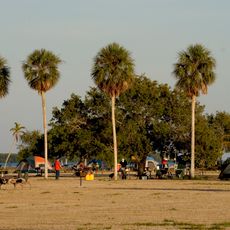
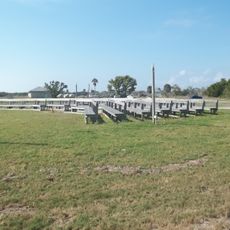
Pigeon Key, Historic district in Monroe County, Florida, United States.
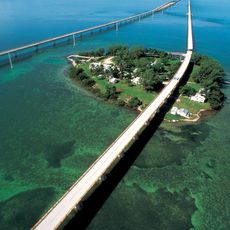
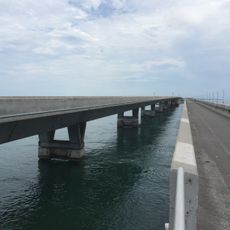
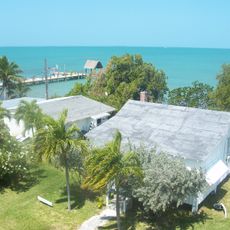
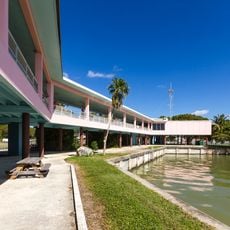
Pigeon Key is a 5-acre island in the middle Florida Keys, just east of Moser Channel and west of Knight's Key, reached by a pedestrian ramp from the old Seven Mile Bridge at mile marker 45. Its historic district, designated on March 16, 1990, holds 11 historic buildings and 3 structures, including buildings from Henry Flagler's Overseas Railroad extension of 1908 to 1912.
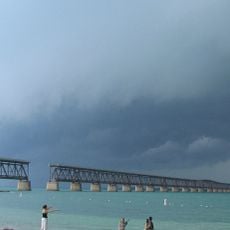
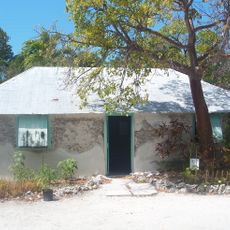
Pigeon Key served as a work camp for Henry Flagler's Overseas Railroad Key West Extension between 1908 and 1912, when up to 400 workers were housed on the island. The Seven Mile Bridge, spanning the gap between Knight's Key and Little Duck Key, was the largest component of the route then called the eighth wonder of the world. Buildings from the Flagler era remain and form the Pigeon Key Historic District, designated on March 16, 1990.
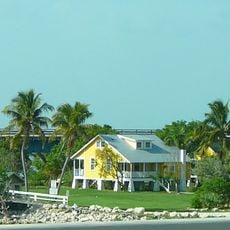
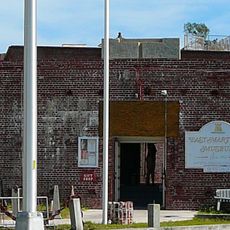
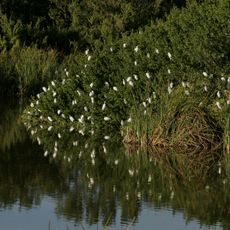
The island's name comes from the large flocks of white-crowned pigeons that once nested here; old Spanish charts called it Cayo Paloma. The Assistant Bridge Tender's House now holds a small museum of artifacts and images from the island's past. The nonprofit Pigeon Key Foundation maintains the site and houses educational groups in the former railroad buildings.
To visit the island, guests can take the ferry service that departs regularly from the mainland near Marathon. The old bridge is also open to pedestrians, providing an alternative way to reach the site.
Pigeon Key appears on screen: much of the 1978 television film Hunters of the Reef was shot here, the island stood in for the "Bal Harbor Institute" in three first-season episodes of the 1995 Flipper series, and it hosted the finish line of The Amazing Race 18 in 2011.
The community of curious travelers
AroundUs brings together thousands of curated places, local tips, and hidden gems, enriched daily by 93,997 contributors worldwide.