Cuchillas del Toa, Biosphere reserve in eastern Guantánamo and Holguín provinces, Cuba
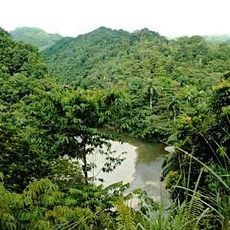
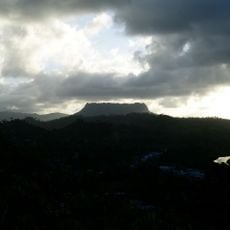
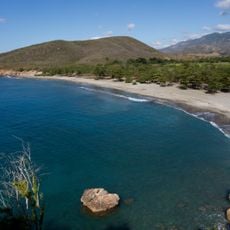
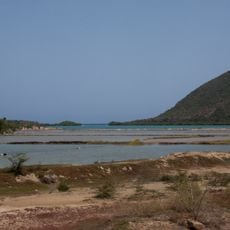
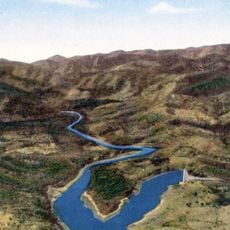
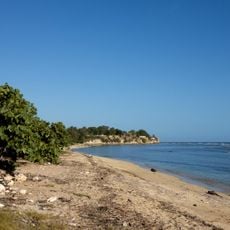
Cuchillas del Toa is a 2,083.05 km² UNESCO Biosphere Reserve (designated 1987) in eastern Cuba, mostly in Guantánamo Province and reaching Holguín Province. It protects the Toa River basin, which flows 118 km to the Atlantic at Baracoa, and surrounds Alejandro de Humboldt National Park. Within it are El Yunque table mountain, the 300-metre Infierno Creek waterfall, the Gran Caverna de Moa and the Bay of Taco.
In the 18th and 19th centuries, escaped African slaves known as cimarrones took refuge in these mountains. The reserve was listed as a UNESCO Biosphere Reserve in 1987, and its core area, the Alejandro de Humboldt National Park, is divided into four sectors: Cupeyal del Norte, Ojito de Agua, La Melba and Baracoa.
The reserve's name comes from the Toa River, which runs 118 km to the Atlantic at Baracoa. In the 18th and 19th centuries escaped African slaves, the cimarrones, took refuge in these mountains, and independence battles were fought in parts of the reserve. About 18,300 people (2002) live in 498 communities in the buffer and transition zones, growing coffee, coconut and cacao and raising cattle.
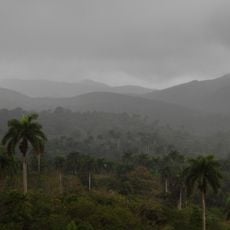
The reserve can be explored via marked trails that lead to natural highlights such as El Yunque and the Moa cave system. Visitors should be prepared for wet, mountainous terrain and changing weather conditions depending on which areas are being visited.
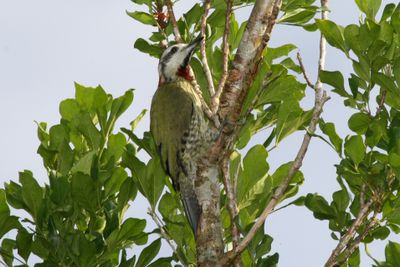
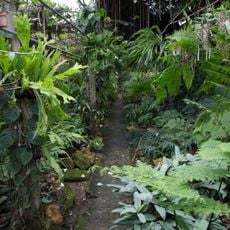
The area is home to hundreds of plant species found nowhere else on Earth, including ancient plant genera such as Podocarpus and Dracaena. The Cuban Solenodon, a rare mammal from the time of dinosaurs, also inhabits these forests.
The community of curious travelers
AroundUs brings together thousands of curated places, local tips, and hidden gems, enriched daily by 93,783 contributors worldwide.