Alexander von Humboldt National Park

Log in to your account

AroundUs is a community-driven map of interesting places, built by curious explorers like you. It grows with every review, story, and photo you share.
Connect to save your favorite spots, contribute locations, and create personalized routes.
By continuing, you accept our Terms and Conditions and our Privacy Policy

Alexander von Humboldt National Park

Add to collection
Map
Suggest a change
Share

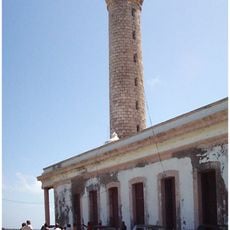
Alexander von Humboldt National Park, National park in Holguín and Guantánamo Provinces, Cuba.

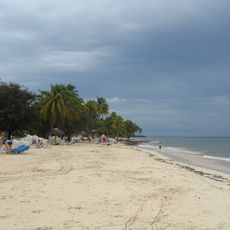
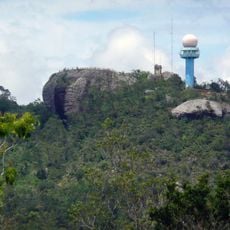
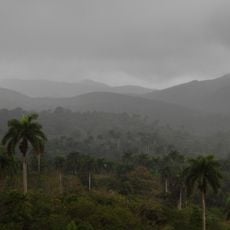
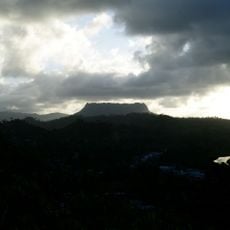
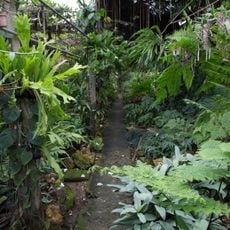
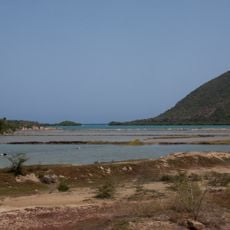
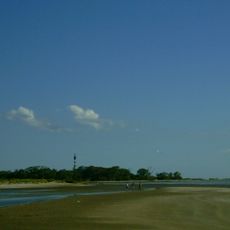
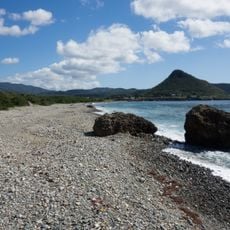
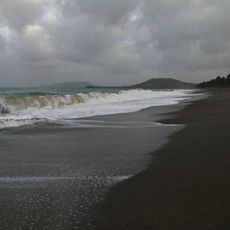
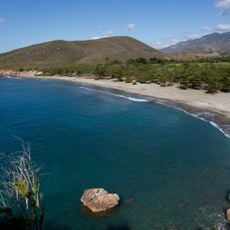
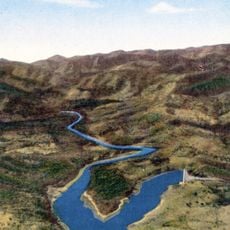
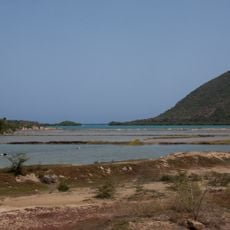
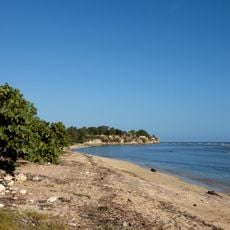
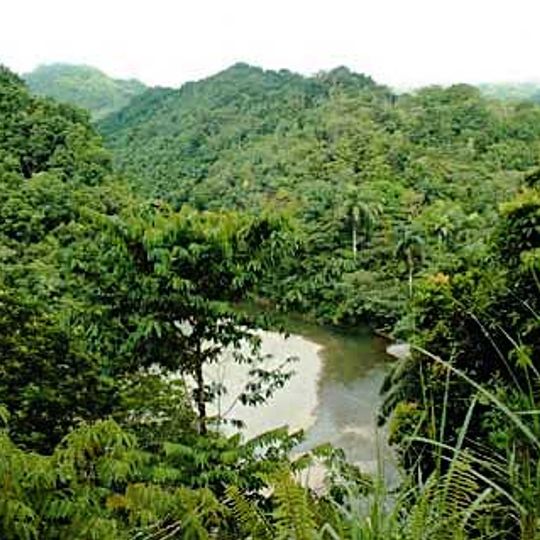
Alexander von Humboldt National Park spans across two provinces and combines mountainous terrain, rainforests, cloud forests, and coastal marine environments. The landscape transitions through different habitats from the ocean to higher elevations.

The park received UNESCO World Heritage status in 2001 for its Cretaceous geological formations that expose ancient oceanic crust. These rock formations represent some of the oldest structures in the Caribbean.

The area served as a refuge for escaped people during the 18th and 19th centuries and contains traces of pre-Columbian settlements. This history has shaped how locals understand the place's importance today.

Visitors can explore the park using designated hiking trails while local guides offer tours focusing on plants, animals, and natural features. It is important to prepare for challenging conditions in the steeper forested areas.

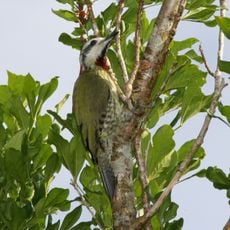
The park hosts many plant species found nowhere else on Earth, making it one of the most biologically rich places in the Caribbean. This concentration of life is found nowhere else in the region at such density.

Location: Holguín Province

Location: Guantánamo Province

Inception: February 2, 2001

GPS coordinates: 20.45806,-74.90000

Latest update: December 6, 2025 17:40

Photography locations in Cuba

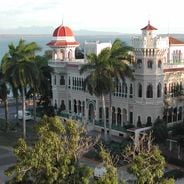
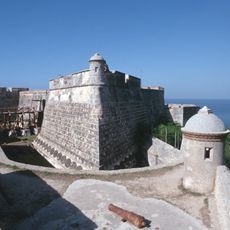
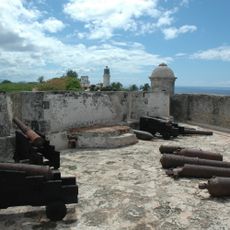
Cuban landscapes combine colonial buildings in Havana, beaches in Varadero, and tobacco fields in Valle de Viñales. The capital displays historic structures like the Capitol, Gran Teatro, and Morro fortress. The coastal regions present white sand beaches and clear waters.

Visit Cuba: nature, history, and colonial heritage

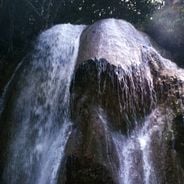
Cuba combines colonial architecture, tropical landscapes and centuries-old fortifications. From the tobacco fields of Viñales Valley to the colonial towns of Trinidad and Havana, and the waterfalls of Soroa, the island displays its history and natural diversity. The Spanish colonial period left behind fortresses, palaces and cobblestone streets in historic centers. National parks protect karst formations, rainforests and coastal areas. Along the coast lie beaches with turquoise waters and coral reefs. The route passes through different regions of the island, from the mountains of Sierra Maestra to the cayos off the northern coast. Each location shows a different aspect of Cuban culture and nature, whether in the streets of Santiago de Cuba or in the caves of Bellamar.

Reviews

Visited this place? Tap the stars to rate it and share your experience / photos with the community! Try now! You can cancel it anytime.

« Alexander von Humboldt National Park - National park in Holguín and Guantánamo Provinces, Cuba » is provided by Around Us (aroundus.com). Images and texts are derived from Wikimedia project under a Creative Commons license. You are allowed to copy, distribute, and modify copies of this page, under the conditions set by the license, as long as this note is clearly visible.

Discover hidden gems everywhere you go!

From secret cafés to breathtaking viewpoints, skip the crowded tourist spots and find places that match your style. Our app makes it easy with voice search, smart filtering, route optimization, and insider tips from travelers worldwide. Download now for the complete mobile experience.
Around Us App Screenshot

A unique approach to discovering new places

Le Figaro

All the places worth exploring

France Info

A tailor-made excursion in just a few clicks

20 Minutes