Little Salt Spring, Archaeological site and natural lake in North Port, United States.
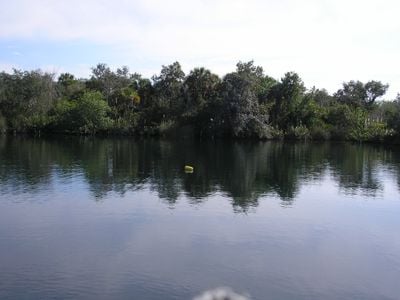
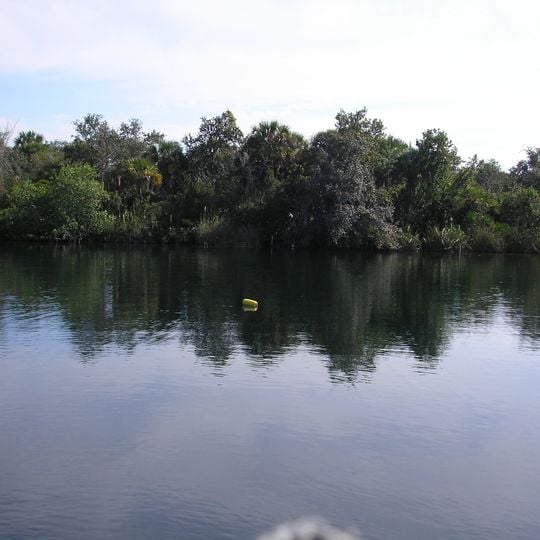
Little Salt Spring is an archaeological site and natural lake with a depth of about 245 feet (75 meters) and a surface pond about 40 feet (12 meters) across. Mineral-rich water feeds into the system through numerous natural vents at the bottom.
People inhabited this area roughly 12,000 years ago, as shown by bones and tools discovered at this location. The oxygen-poor environment below the water line has preserved these early traces of human activity for thousands of years.
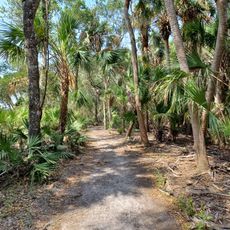
Little Salt Spring takes its name from the minerals dissolved in its water. Since 1980 the sinkhole and surrounding land have belonged to the University of Miami, whose Rosenstiel School conducts research there; the site is not open as a public attraction, and the surrounding Butler Park area is where visitors encounter it.
Access to the water requires caution, as depth increases quickly and the lower zone lacks oxygen. Visitors should respect the surroundings and follow local guidance, since the area is protected due to its archaeological importance.
In the 1970s divers found the overturned shell of an extinct giant land tortoise on the ledge about 27 metres down, with a wooden stake driven between carapace and plastron and traces of fire beneath it. The stake was radiocarbon dated to 12,030 years ago and a tortoise bone to 13,450 years ago, suggesting the animal was cooked in its shell.
The community of curious travelers
AroundUs brings together thousands of curated places, local tips, and hidden gems, enriched daily by 93,905 contributors worldwide.