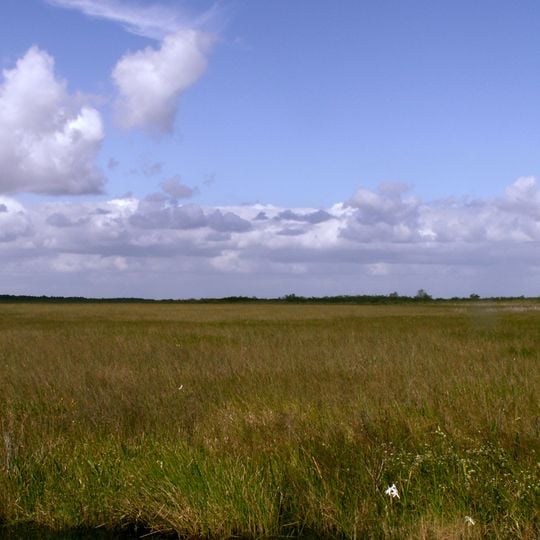
Everglades, Natural wetland region in southern Florida, United States
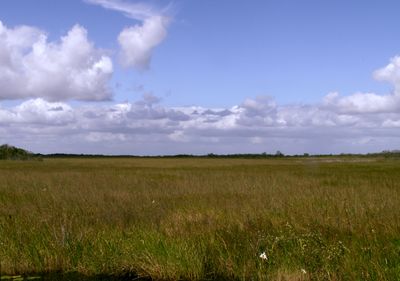
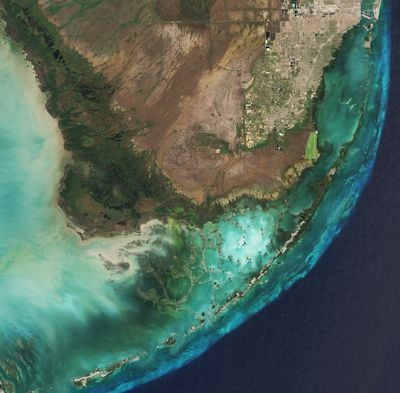
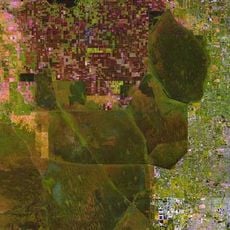
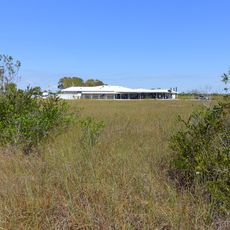
This wetland covers two million acres (about 810,000 hectares) in southern Florida and includes sawgrass prairies, hardwood hammocks, mangrove forests, and cypress swamps. The water moves slowly through the flat landscape, forming a connected network of channels, pools, and flooded grasslands that extends for hundreds of miles.
Indigenous groups, including the Calusa and Tequesta, lived here for thousands of years before Spanish explorers arrived in the 16th century. The area remained largely undeveloped until drainage projects in the early 20th century began altering the wetland.
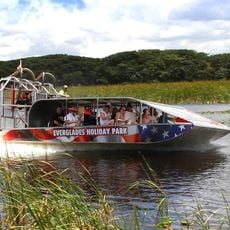
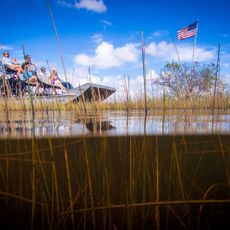
Local communities fish and navigate the wetlands by boat, following practices the Seminole continue to this day. Visitors can watch how people use the waterways to observe wildlife or move through the shallow marsh in traditional airboats.
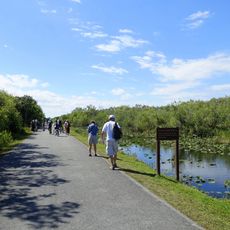
Water levels change with the seasons, and the dry season from November through April is considered the best time for walking trails and wildlife viewing. Mosquitoes are common in the summer months, so long sleeves and insect repellent are recommended.
Water flows from Lake Okeechobee southward to Florida Bay, forming a wide, slow-moving river of grass and water. This current moves just a few inches per hour and creates an ecosystem found nowhere else on Earth.
Location: Florida
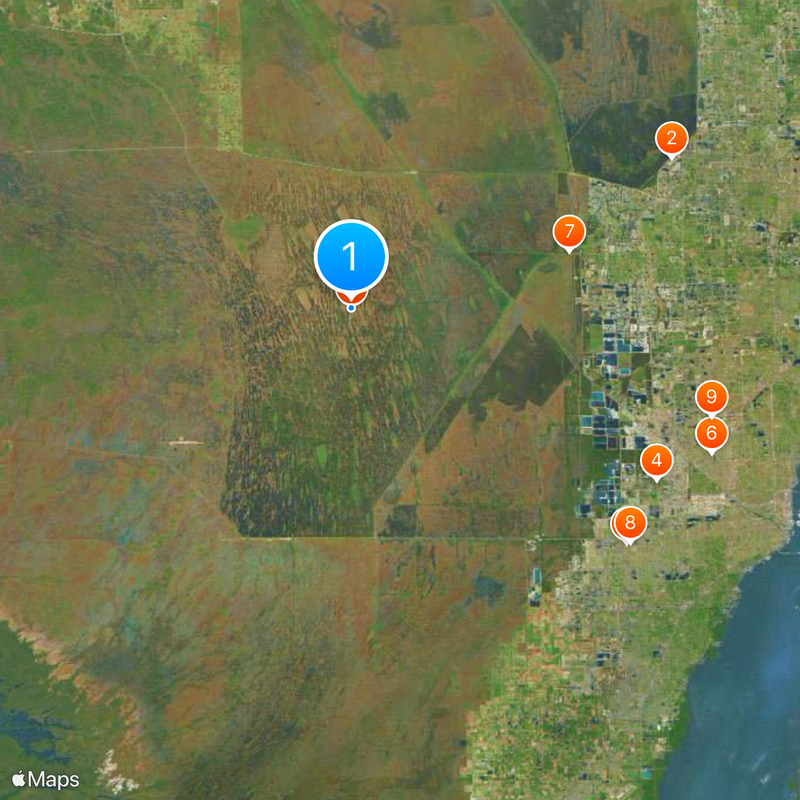
GPS coordinates: 26.00000,-80.70000
Latest update: December 3, 2025 09:05
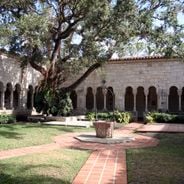
Miami, a major city on Florida's southeastern coast, combines Caribbean influences with American culture. The city extends from the Atlantic Ocean to the Everglades and includes diverse neighborhoods with distinct identities. Miami Beach, South Beach, and the Art Deco Historic District shape the coastal landscape, while Little Havana reflects the city's Cuban heritage. Cultural offerings range from the Pérez Art Museum Miami to Vizcaya Museum and Gardens and the Wolfsonian-FIU. Wynwood Walls has become a center for street art. Natural areas like Everglades National Park, Oleta River State Park, and Crandon Park provide access to subtropical ecosystems. Key Biscayne, Coral Gables with Venetian Pool, and Coconut Grove complement the metropolitan area. Additional facilities include Miami Seaquarium, Zoo Miami, Jungle Island, and Miami Children's Museum. Historic sites such as Freedom Tower, Barnacle Historic State Park, and Ancient Spanish Monastery document different eras. Bayside Marketplace serves as a shopping and entertainment center, while Coral Castle and Stiltsville represent architectural curiosities.
Amerant Bank Arena
41.4 km
Pitbull Stadium
42.4 km
Trump National Doral Miami
41 km
Draining and development of the Everglades
0 m
Hialeah Park Race Track
45.5 km
Everglades Holiday Park
26.4 km
Frost Art Museum
42.7 km
Amelia Earhart Park
44 km
Flamingo Gardens
39.6 km
Brian Piccolo Park
43 km
Gator Park
29.2 km
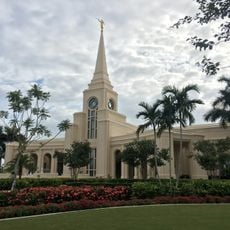
Fort Lauderdale Florida Temple
35.3 km
The Fair
43.1 km
Urban Air Trampoline and Adventure Park
43.4 km
Opa-locka Thematic Resource Area
45.7 km
Country Club Estates TR
45.6 km
Lua Curtiss House II
45.6 km
Hequembourg House
45.4 km
G. Carl Adams House
45.4 km
Millard–McCarty House
45.3 km
Shark Valley Observation Tower
38.9 km
Baird House
45.7 km
Casa Long
45.7 km
Casa Helms
45.8 km
Tooker House
45.9 km
Shark Valley Visitor Center
27.8 km
Oasis Visitor Center
37 km
Shark Valley Tram Road
33.4 kmVisited this place? Tap the stars to rate it and share your experience / photos with the community! Try now! You can cancel it anytime.
Discover hidden gems everywhere you go!
From secret cafés to breathtaking viewpoints, skip the crowded tourist spots and find places that match your style. Our app makes it easy with voice search, smart filtering, route optimization, and insider tips from travelers worldwide. Download now for the complete mobile experience.
A unique approach to discovering new places❞
— Le Figaro
All the places worth exploring❞
— France Info
A tailor-made excursion in just a few clicks❞
— 20 Minutes