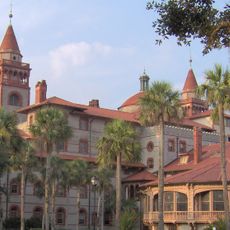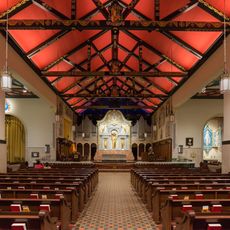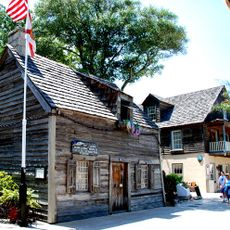
St. Augustine, Colonial city in Florida, United States.
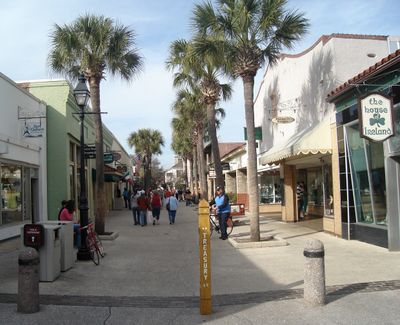
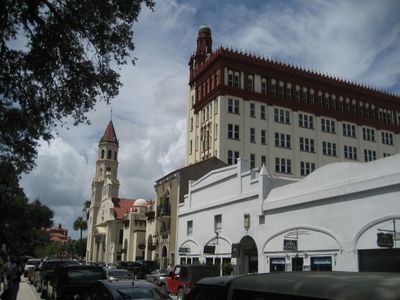
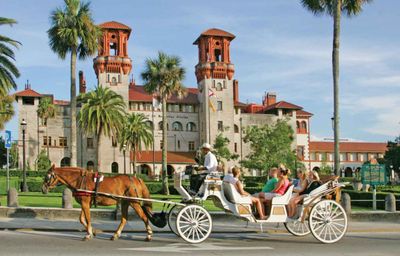
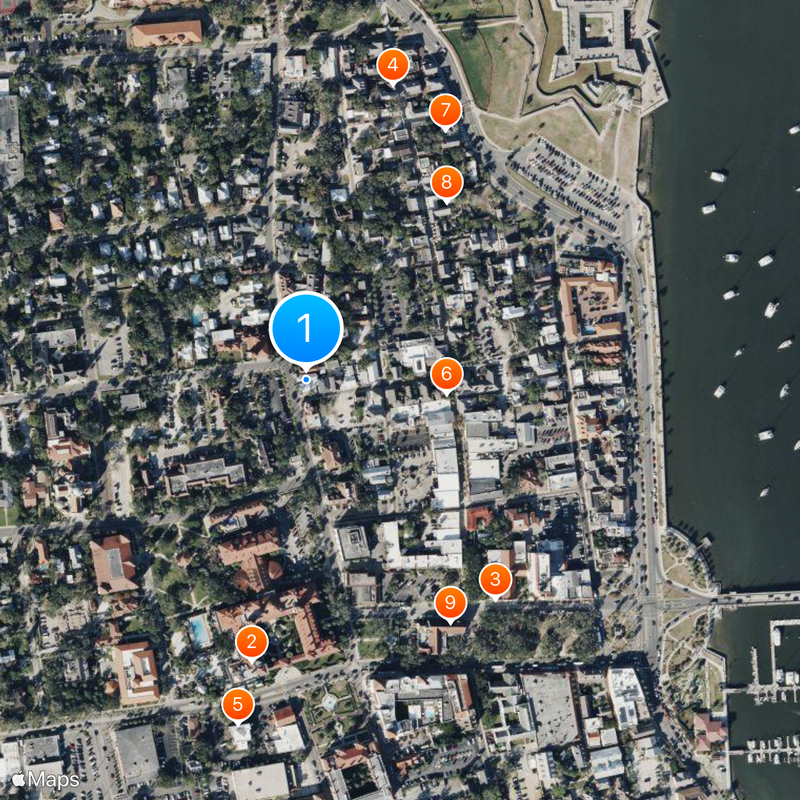
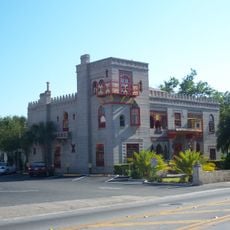
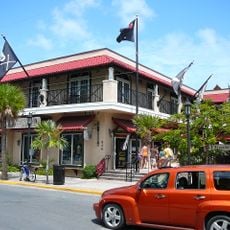
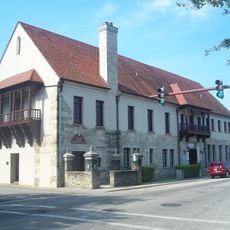
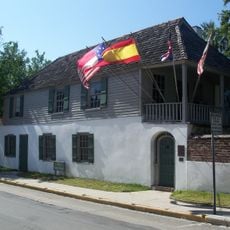
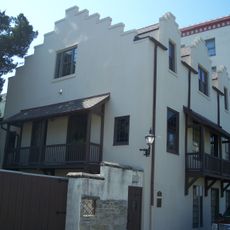
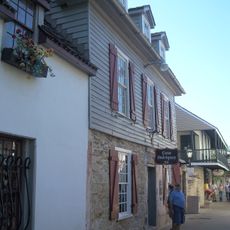
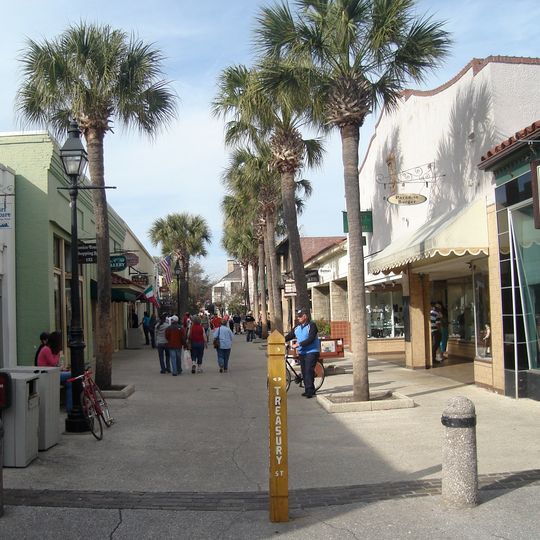
St. Augustine spreads along the northeastern coast of Florida between Matanzas Bay and San Sebastian River, with the old quarter forming around Plaza de la Constitución in a star-shaped street pattern. Cobblestone lanes connect coquina shell stone buildings with modern shops, restaurants, and public parks along the waterfront.
Pedro Menéndez de Avilés founded the settlement in September 1565 as the first permanent European colony on the North American continent. Control shifted between Spanish, British, and eventually American hands over the centuries, with each power leaving its own architectural and cultural marks.
Local residents celebrate their Spanish and Minorcan roots through year-round festivals, reenactments, and religious processions that bring the old quarter to life. Shopkeepers and artisans maintain colonial craft traditions in small workshops and galleries, while street musicians and storytellers regularly perform on the old plazas.
Visitors can walk through the historic district, as most landmarks sit within easy reach of each other and narrow lanes favor pedestrians. The beach lies a few miles east on Anastasia Island, offering public parking and recreational facilities along the white sand shore.
Spanish authorities granted freedom to enslaved people fleeing British colonies through a royal decree in 1693, turning the settlement into a refuge centuries before abolition elsewhere. Some of these freed residents established Fort Mose just north of town, forming the first legally recognized free African American community on what became United States soil.
The community of curious travelers
AroundUs brings together thousands of curated places, local tips, and hidden gems, enriched daily by 92,048 contributors worldwide.