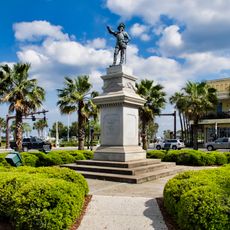
St. Augustine Town Plan Historic District, Colonial district in St. Augustine, US.
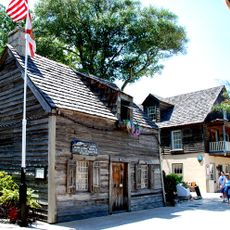
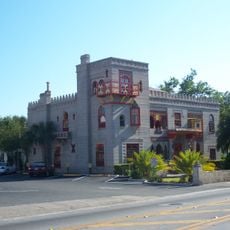
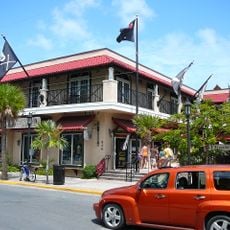
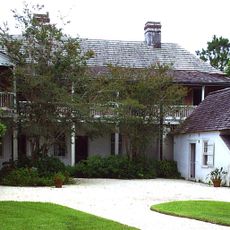
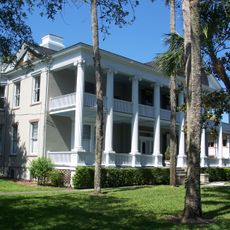
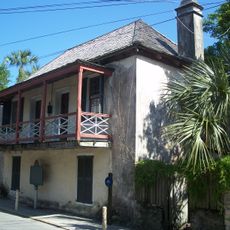
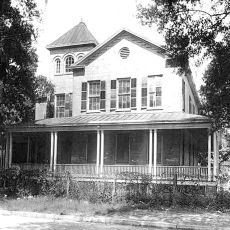
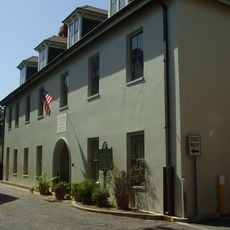
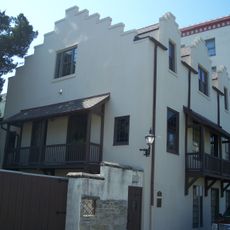
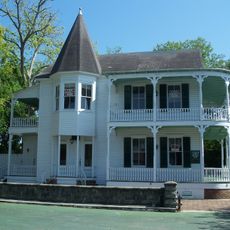
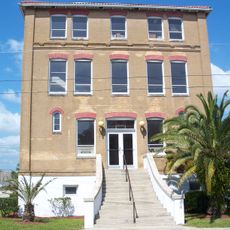
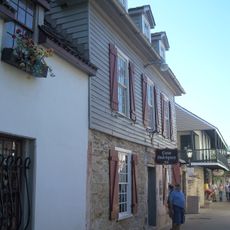
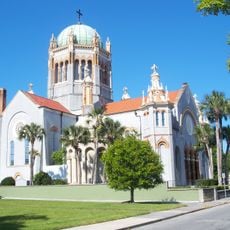
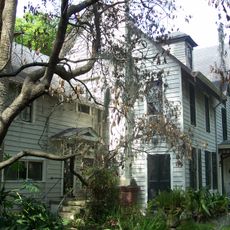
St. Augustine Town Plan Historic District is a historic area in Florida with narrow streets, stone buildings, and a central plaza laid out according to Spanish colonial planning principles. The structures display different architectural styles from multiple periods of occupation and development.
The settlement was established in 1565 by Spanish colonists and became the first permanent European community on the mainland. British rule followed for a period before it eventually became part of the United States.
The city was named for Saint Augustine of Hippo, a reference to the feast day on which Spanish explorer Pedro Menéndez de Avilés sighted the coast in 1565. The central plaza, laid out early in the Spanish period, remains the civic heart, now faced by the Cathedral Basilica of St. Augustine (1793–94) and a 1930s post office built to resemble the original Spanish governor's palace.
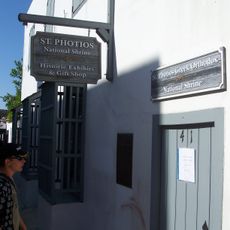
The district is best explored on foot, with walking paths connecting major buildings and museums throughout the area. Multiple information stations help visitors understand the history and purpose of individual structures.
Below the streets lie archaeological layers that regularly reveal everyday objects from colonial life when excavations occur. These discoveries show how people lived and worked in this place centuries ago.
The community of curious travelers
AroundUs brings together thousands of curated places, local tips, and hidden gems, enriched daily by 93,622 contributors worldwide.