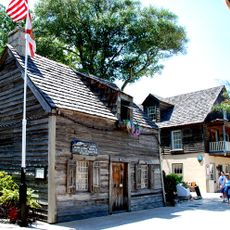
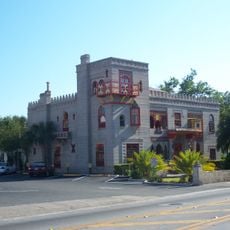
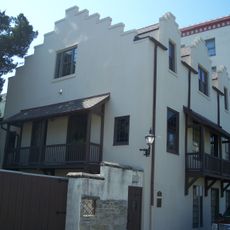
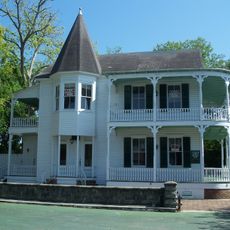
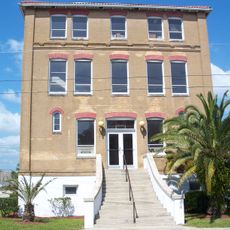
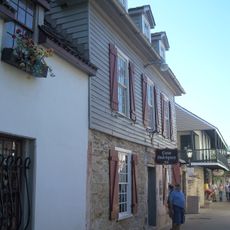
Ximenez-Fatio House, Colonial house in St. Augustine, United States.
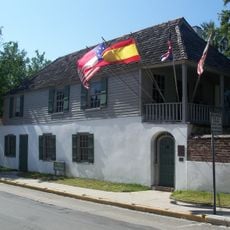
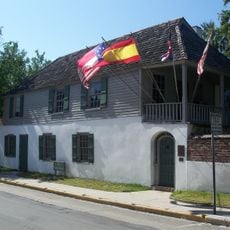
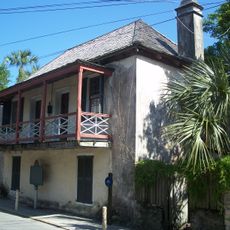
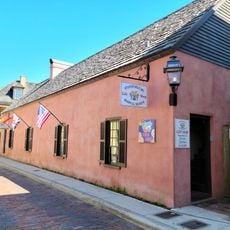
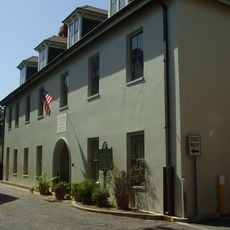
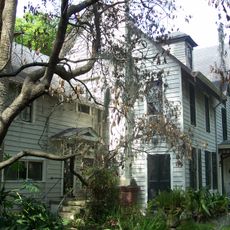
The Ximenez-Fatio House is a two-story coquina and tabby building at 20 Aviles Street in St. Augustine. Spanish merchant Andres Ximenez built it with his family's living quarters upstairs and commercial space downstairs. It is one of the best-preserved Second Spanish Period residential buildings in the city.
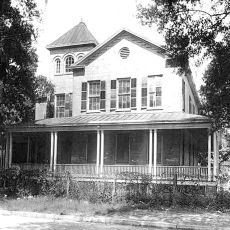
Andres Ximenez, a Spanish-born merchant married to Juana Pellicer, built the two-story house; the family lived upstairs while the ground floor housed a general store, tavern, billiard table and lottery. By 1806 both parents and two of their five minor children had died, and Juana's father managed the property for the grandchildren. In 1830 Margaret Cook bought the house and converted it into a boarding house run by Eliza Whitehurst; Sarah Petty Anderson sold it to Louisa Fatio for $3,000 in 1855.
The house reflects early Florida life through its preserved rooms, furnishings, and objects that show how boarding house guests lived during the territorial period. The collection spans different eras and gives a sense of how various people experienced daily life within these walls.
The house is operated by the National Society of Colonial Dames and offers guided tours through the restored rooms. Visitors should allow adequate time to explore both floors and examine the different displays and furnishings.
The house stands on Aviles Street, which the sources describe as the oldest archaeologically documented street in the United States. Louisa Fatio, the last of three successive women owners, bought the building for $3,000 in 1855 and ran it as Miss Fatio's boarding house.
The community of curious travelers
AroundUs brings together thousands of curated places, local tips, and hidden gems, enriched daily by 94,441 contributors worldwide.