Crescent City Historic District, historic district in Florida, United States
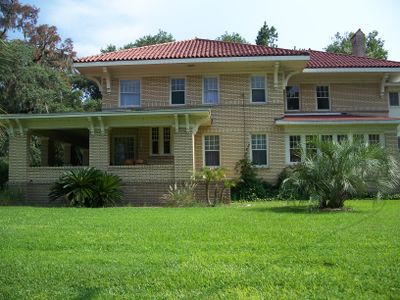
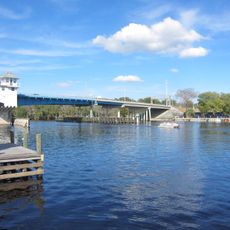
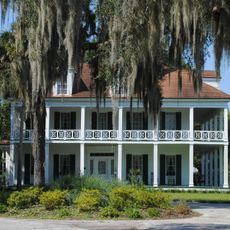
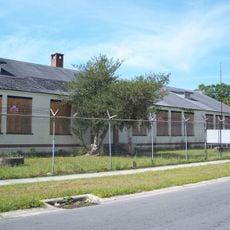
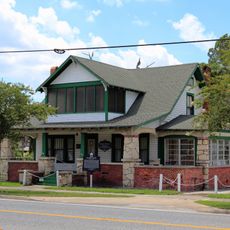
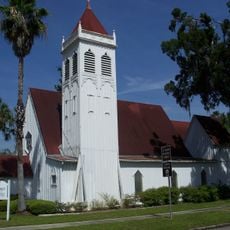
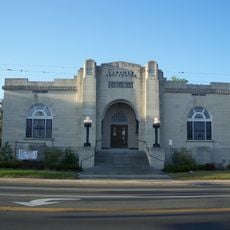
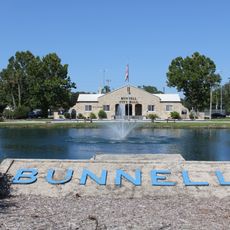
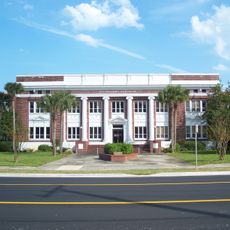
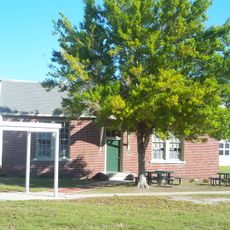
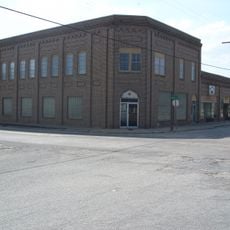
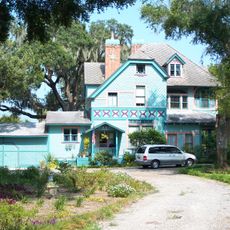
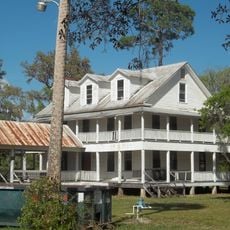
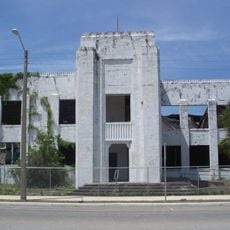
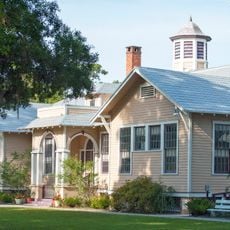
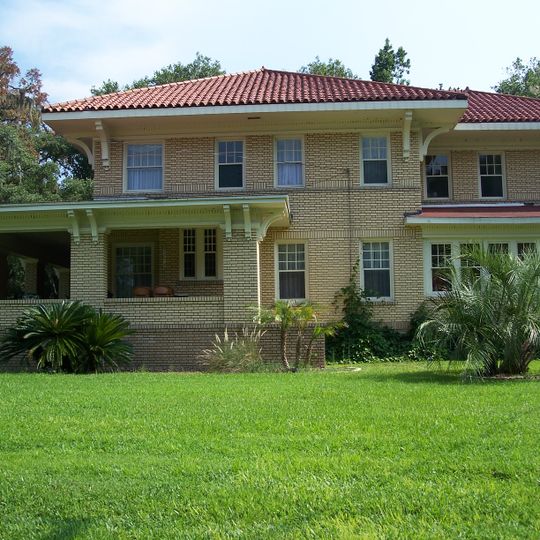
The Crescent City Historic District is a registered historic area in a small Florida town containing more than 200 buildings with varied architectural styles from different periods. The structures include homes, shops, and public buildings arranged along streets lined with mature trees near two lakes.
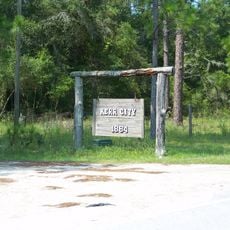
Settlement began in 1852 as a plantation and the town was officially laid out in 1876, becoming incorporated in 1883. Early development centered on citrus and fern farming, with steamships providing trade and transportation links across the lakes.
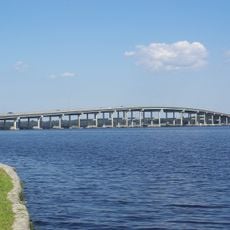
The name Crescent City comes from the crescent shape of the lakes surrounding the town. The buildings and streets reflect how people organized their lives around local industries like farming and trade that once defined the community.
A free walking guide is available at City Hall, and the district is best explored on foot at a relaxed pace. Comfortable shoes are recommended since some streets are uneven, and spring or fall offers the most pleasant weather for walking.
A notable native of the town was A. Philip Randolph, who became a major civil rights leader and helped organize the 1963 March on Washington. This connection shows how a small Florida town produced someone who shaped important moments in American history.
The community of curious travelers
AroundUs brings together thousands of curated places, local tips, and hidden gems, enriched daily by 92,231 contributors worldwide.