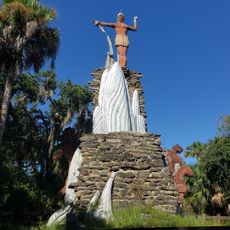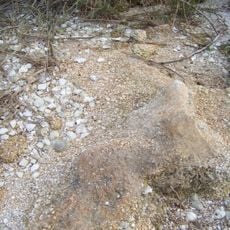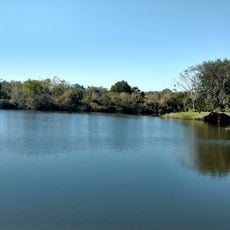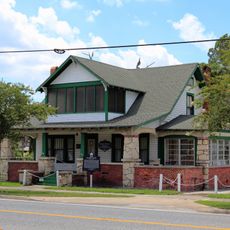
Bulow Plantation Ruins Historic State Park, Sugar plantation ruins in Flagler County, United States.
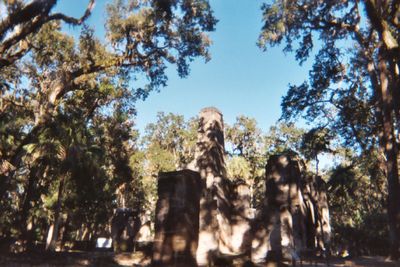
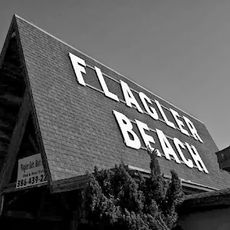
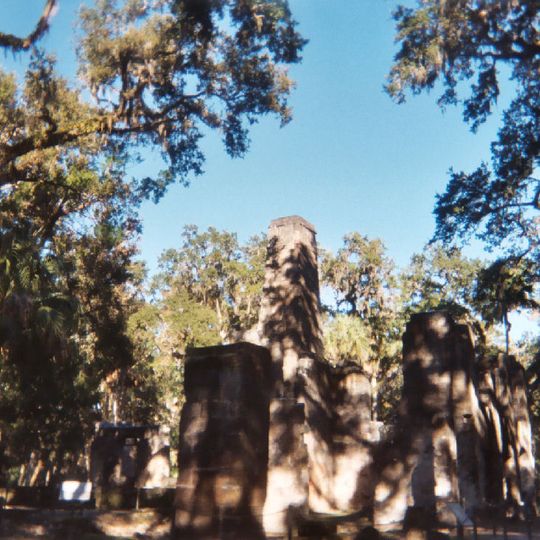
Bulow Plantation Ruins is a state park containing the remains of an antebellum sugar mill and plantation built of coquina, a sedimentary rock made of shells. The ruins include a tall, broken chimney-like column and fragmented walls of rough grey, tan, and brown stone among trees. The park is three miles west of Flagler Beach on CR 2001, south of SR 100.
Charles Wilhelm Bulow established this plantation in 1821 and developed it into a large working farm growing multiple crops. The operation ceased around 1836 and the structures gradually fell into ruin over the following decades.
The plantation's name comes from the Bulow family, who ran it with the forced labor of enslaved Africans and African Americans. Visitors can see the sugar mill, wells, the master's house, and slave quarters in ruins. The park's interpretive center displays original artifacts and exhibits about the plantation.
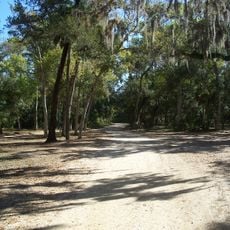
The grounds are walkable with marked trails leading through the natural areas and to the ruins themselves. Bring water and wear sturdy shoes, as the paths pass through forest and natural terrain.
John James Audubon stayed at the plantation from Christmas 1831 into January 1832, exploring the area for his study of American birds. The visit came around the time John Joachim Bulow had the coquina sugar mill built. The mill ruins are listed on the National Register of Historic Places.
The community of curious travelers
AroundUs brings together thousands of curated places, local tips, and hidden gems, enriched daily by 93,951 contributors worldwide.