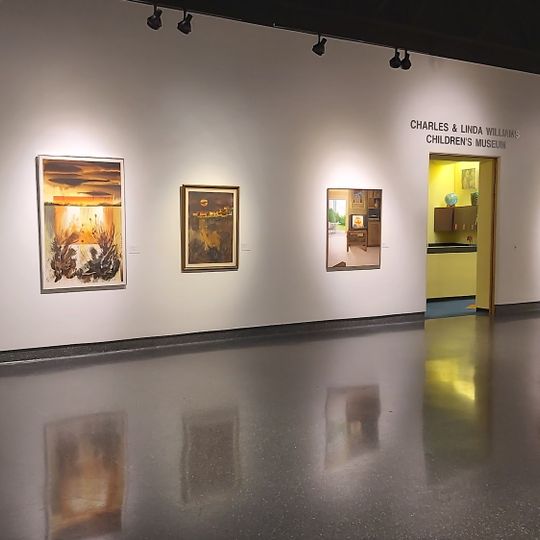
Museum of Arts and Sciences, Educational museum complex in Daytona Beach, United States
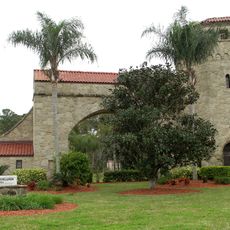
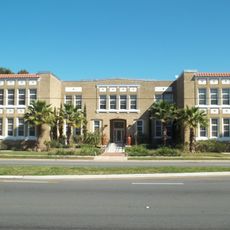
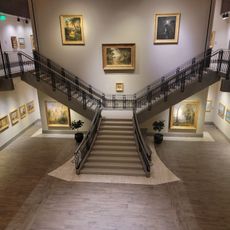
The Museum of Arts and Sciences, known as MOAS, occupies a campus on Daytona Beach's Tuscawilla Preserve. Its main building holds ten permanent galleries, including a Florida fossil hall with a giant ground sloth skeleton and the largest permanent Cuban art collection outside Cuba. Separate buildings house the Cici and Hyatt Brown Museum of Art, the Lowell and Nancy Lohman Planetarium, and the Charles and Linda William's Children's Museum.
The institution was established to preserve regional art collections and scientific artifacts. The Root Family Museum Train Station features restored train cars that document the area's transportation heritage from earlier eras.
The Cuban Foundation Museum, housed in the L. Gale Lemerand Wing that reopened on October 30, 2015, holds the largest permanent exhibition of Cuban art outside Cuba. Visitors can see Cuban paintings and artifacts in a dedicated gallery within the museum's main campus building.
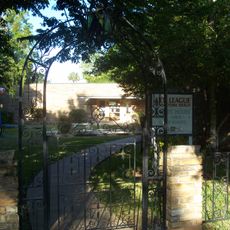
The grounds are walkable with paths connecting different exhibition areas and places to rest throughout. Comfortable walking shoes are advisable since you will be moving between multiple buildings and natural areas.
The museum's Root Hall auditorium seats 265 people, and its planetarium opened on 11 October 1972; one early show, "Trip to the Moon", ran during the Apollo 17 mission launched that December an hour south of Daytona. In 2014 the planetarium was rebuilt with a fully digital projection system and in 2021 was named the Lowell and Nancy Lohman Planetarium.
The community of curious travelers
AroundUs brings together thousands of curated places, local tips, and hidden gems, enriched daily by 92,659 contributors worldwide.