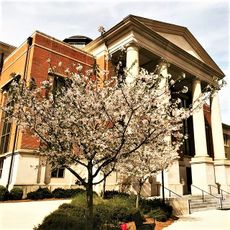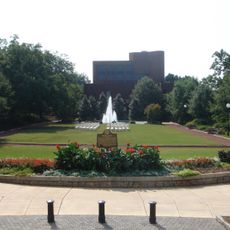
Georgia Museum of Natural History, Natural history museum in Athens, Georgia, United States
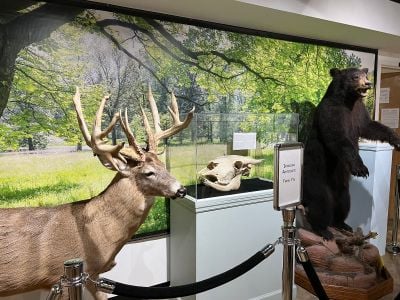
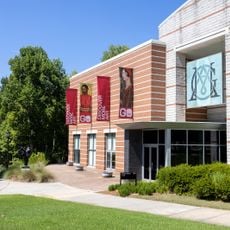
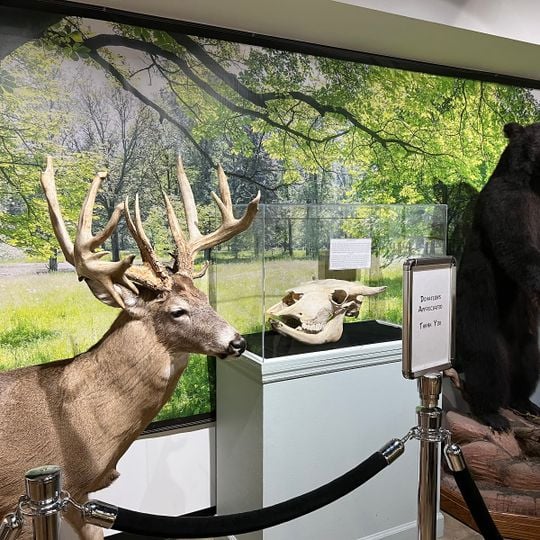
The Georgia Museum of Natural History is a natural history museum in Athens housing over 7 million specimens and artifacts across eleven distinct fields of study, ranging from anthropology to zooarchaeology. The collections document Georgia's natural and cultural heritage through diverse materials and records.
Josiah Meigs began gathering natural history items at the University of Georgia in 1801. Henry Jackson gave minerals and French scientific equipment in 1817, and an 1824 mineral donation led to a mineralogical cabinet. Philosophical Hall, built in 1821, was the first official home; a fire destroyed New College and its collections in 1830. The university recognized the museum in 1978, and it was renamed the Georgia Museum of Natural History and named the state's official natural history museum in 1999.
The museum serves as a central resource for schools and universities across the region, with students and researchers regularly engaging with the collections for study and investigation. Visitors can observe how these materials support learning and scholarly work in the community.
The Exhibit Gallery is free and open during scheduled hours; the eleven research collections can be visited only by appointment, arranged as a tour. The museum is part of the University of Georgia in Athens and runs an internship program for UGA undergraduates, who work about 105 hours per semester.
The museum's collections hold more than 7 to 8 million specimens today, grown from a natural history collection that numbered well over 300 specimens by 1880. Among the additions was the 1880 gift of the Claiborne fossils, and Chancellor Andrew Lipscomb helped prepare stuffed birds for the ornithology collection.
The community of curious travelers
AroundUs brings together thousands of curated places, local tips, and hidden gems, enriched daily by 94,417 contributors worldwide.