Wild Heron, Plantation house in Georgia, United States
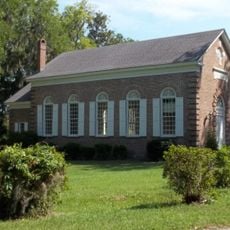
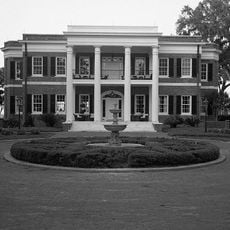
Wild Heron is a plantation house about 15 miles south of Savannah, Georgia, built probably between 1752 and 1756 on a 500-acre tract granted to Captain David Cutler Braddock in 1747. Its wainscoting, chimneys, mantels and double spraddle roof point to an eighteenth-century construction date.
The 500-acre tract was granted to Captain David Cutler Braddock in 1747, and he likely built the house between 1752 and 1756. Francis Harris paid 1,168 pounds for the property, a high price indicating a house stood there, and the name Wild Heron came from his wife Mary Goodall's Hampshire estate. After Harris died in 1771, his son Col. Francis Henry Harris inherited it, and the property stayed in the family until Shelby Myrick Sr. bought it in 1935.
The name came from an estate in Hampshire, England, owned by Mary Goodall, who sold it around the time of her marriage to Francis Harris; the English name was transferred to the Georgia land and later contracted to Wild Hern, then Wild Horn, until research in 1935 recovered the original form. The property operated as a rice plantation for two hundred years, and MacLeod's 1866 estate included 450 acres planted in rice and 129 slaves.
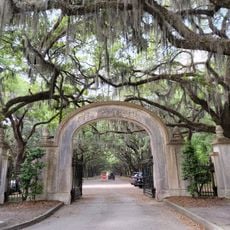
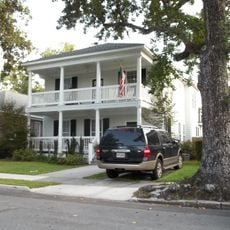
You can view the building and its surroundings to understand the historical setting and colonial design. It is helpful to check local information beforehand, as access and visiting conditions may vary depending on the season and property status.
The name was contracted in English fashion to Wild Hern, then evolved to Wild Horn, and the property was known by that name until research in 1935 recovered the original Wild Heron. The house's double spraddle roof, wainscoting, chimneys and mantels point to construction between 1752 and 1756.
The community of curious travelers
AroundUs brings together thousands of curated places, local tips, and hidden gems, enriched daily by 92,749 contributors worldwide.