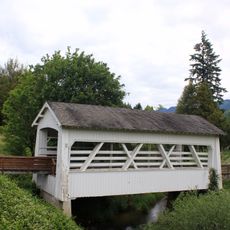
Rand Ranger Station, Ranger station in Galice, Oregon.
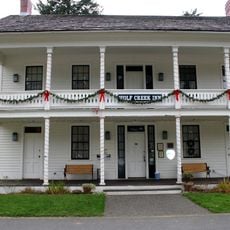
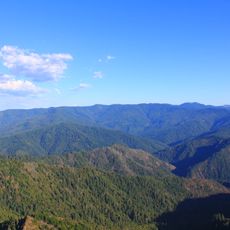
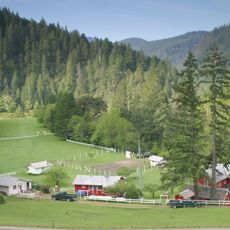
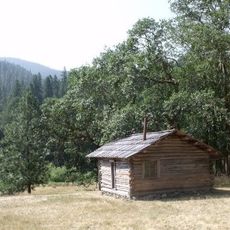
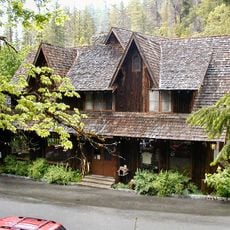
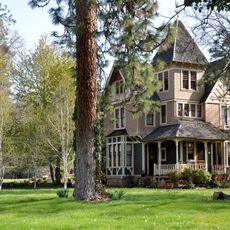
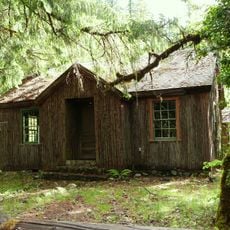
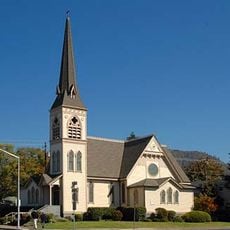
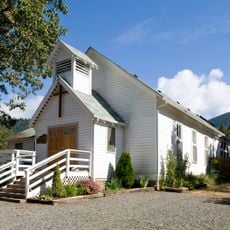
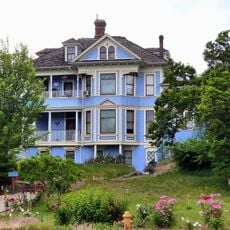
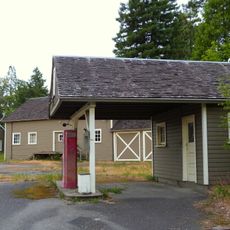
The Rand Ranger Station is a Bureau of Land Management compound of eight historic wood-frame buildings in the Rogue River-Siskiyou National Forest, about three miles north of Galice, Oregon. Built in the Oregon rustic style between 1931 and 1936, the structures include a district office, two ranger residences, a fire equipment warehouse, blacksmith shop, horse barn, gas house, garage, and woodshed. The office now serves as the Smullin Visitor Center.
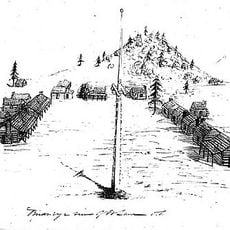
The Siskiyou National Forest was created in 1906, and the Galice Ranger District was set up in 1909 with Jesse P. Dewitt as its first ranger. Unable to build at Rand, which a mining company owned, Dewitt lived in a tent until 1916, when the company rented a small parcel for one dollar a year. Construction of the residence, office and barn began in 1917; the mining claim expired in 1932 and the Forest Service took permanent control. A Civilian Conservation Corps camp, Camp 1650, operated at Rand from 1933 until August 1941, and its workers built or improved the station buildings between 1931 and 1936. The Forest Service closed the station in 1963 and transferred it to the Bureau of Land Management in 1970.
The Smullin Visitor Center, named in 1996 for southern Oregon broadcaster William B. Smullin, occupies the 1933–34 district office. Since 1970 the Bureau of Land Management has issued Rogue River float permits from the compound, a National Wild and Scenic River. The Civilian Conservation Corps camp that stood beside the station, Camp 1650, housed over 200 enrollees before closing in August 1941.
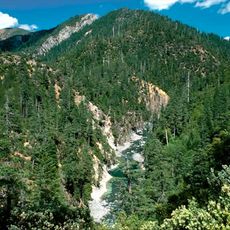
The compound lies about three miles north of Galice, Oregon, in the Rogue River-Siskiyou National Forest. The old ranger station office now serves as the Smullin Visitor Center, where float permits for the Rogue River are issued. The site is reached by road from Galice; the surrounding Forest Service roads and trails give access to the Rogue River canyon.
The compound's eight historic buildings are all basic wood-frame structures, not stone. They include a blacksmith shop and a gas house, built in 1934, where rangers handled tools and fuel on site. The Civilian Conservation Corps camp that once stood beside them, Camp 1650, housed over 200 enrollees before closing in August 1941.
The community of curious travelers
AroundUs brings together thousands of curated places, local tips, and hidden gems, enriched daily by 93,045 contributors worldwide.