Steel Bridge, Vertical-lift bridge in Portland, United States
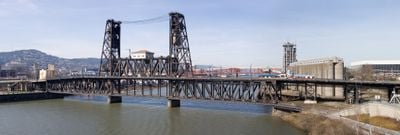
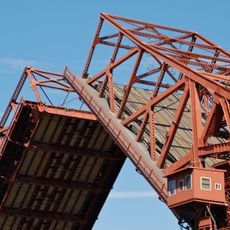
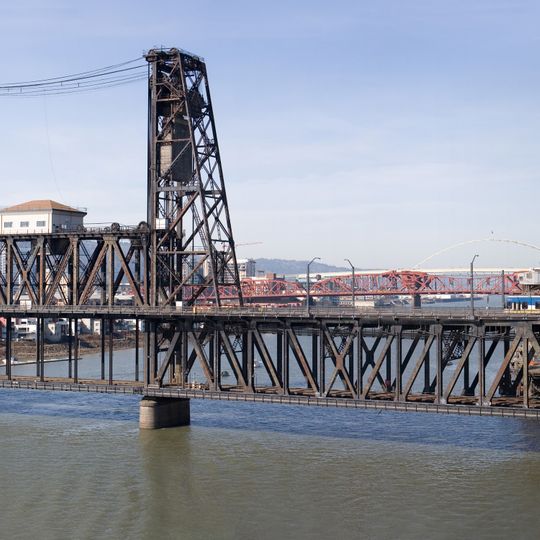
The Steel Bridge crosses the Willamette River using two separate levels, with trains running below and cars, bicycles, and pedestrians moving above. The lower platform can lift independently while the upper roadway remains movable, allowing river traffic to pass at different heights.
Construction finished in 1912, replacing an older crossing and becoming one of the first structures to carry both rail and road traffic at once. Engineers experimented with movable sections to accommodate growing river navigation.
Its name recalls a time when steel construction defined modern city planning and industrial progress. Today locals use the walkways for commuting or jogging along the river, while cyclists ride on the marked lanes.
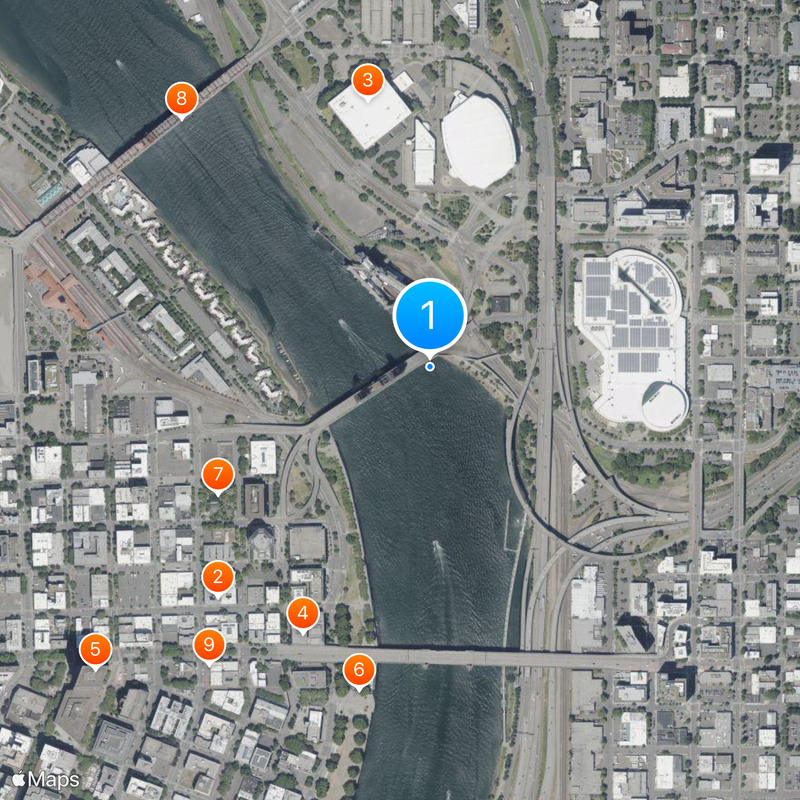
Pedestrians and cyclists follow marked paths on the upper level, with access at both riverbanks via ramps. Watch for warning signals when the decks rise, as passage briefly closes during lifts.
The lower section lifts independently from the upper deck, allowing smaller boats to pass while trains or cars continue moving. This solution was unusual at the time and reflects the creativity of early engineers.
The community of curious travelers
AroundUs brings together thousands of curated places, local tips, and hidden gems, enriched daily by 60,000 contributors worldwide.