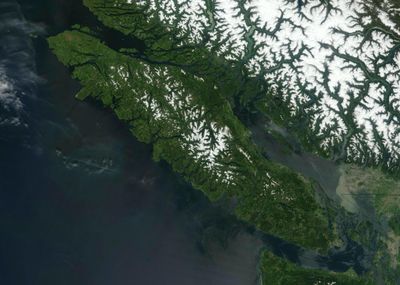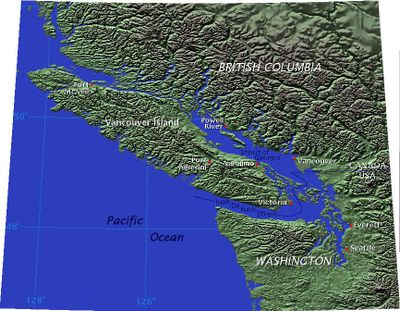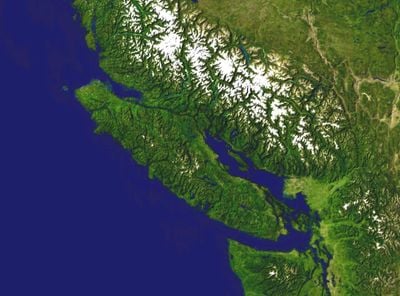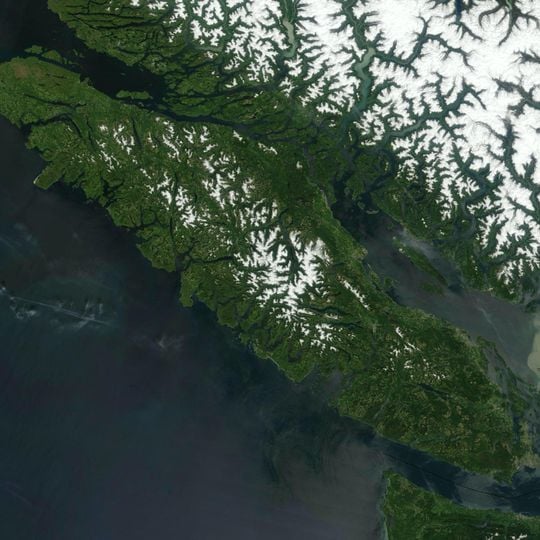
Vancouver Island, Island in British Columbia, Canada.
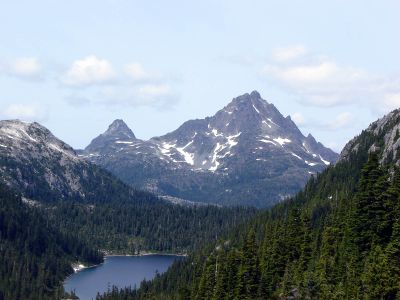
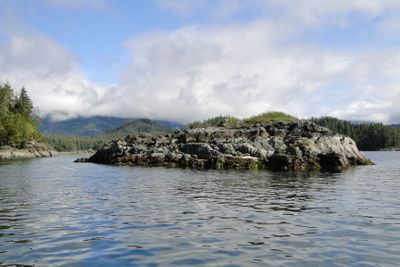
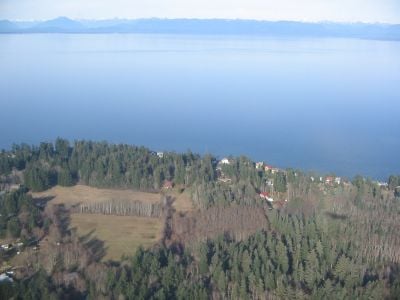
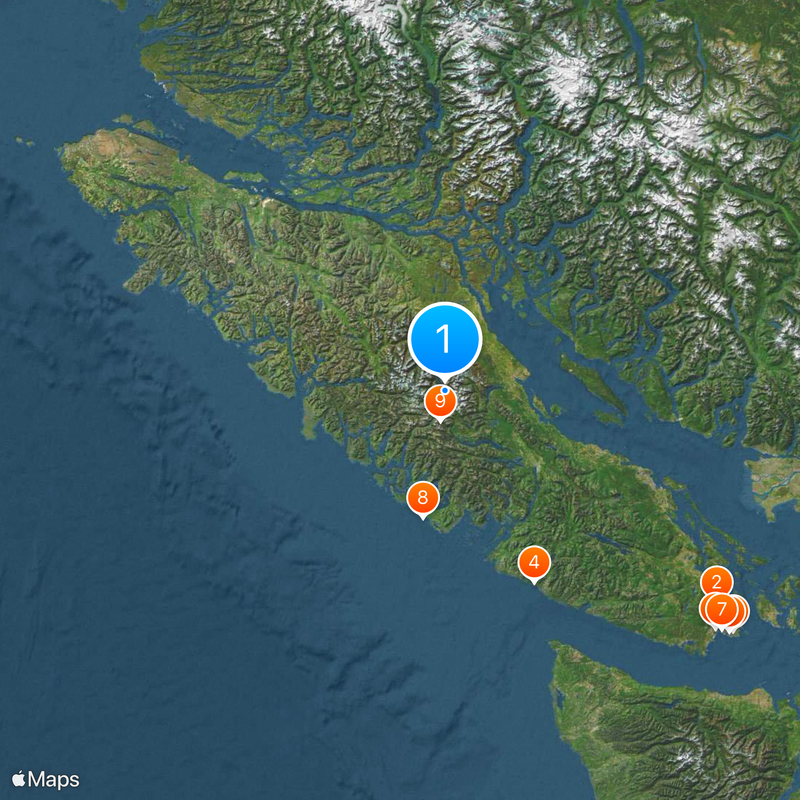
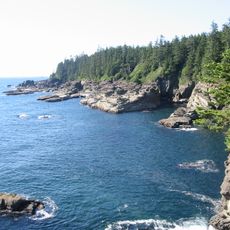
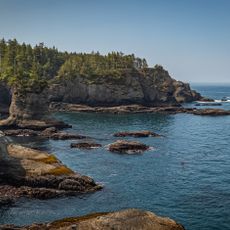
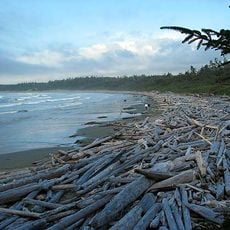
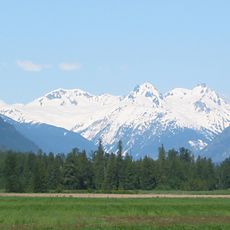
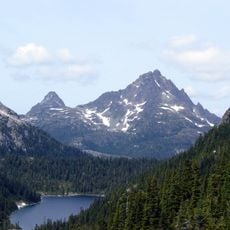
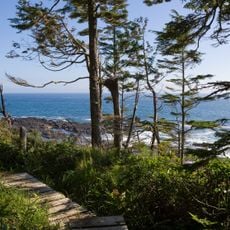
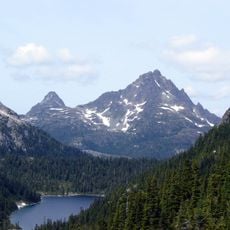
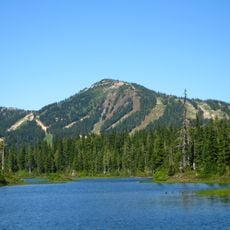
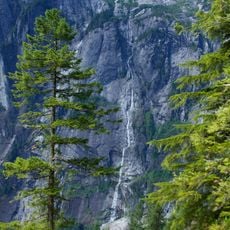
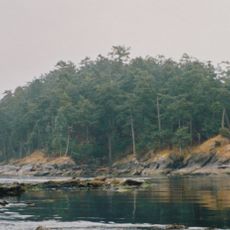
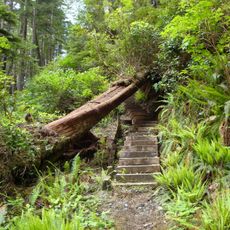
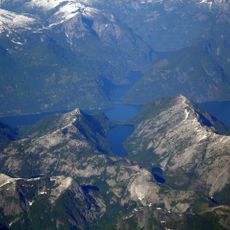
Vancouver Island stretches 460 kilometers along Canada's Pacific coast and contains mountains, forests, lakes, plus 3,440 kilometers of shoreline. The island sits between the Strait of Georgia and the open Pacific Ocean, offering a range of climate zones from temperate rainforest in the west to drier areas in the southeast.
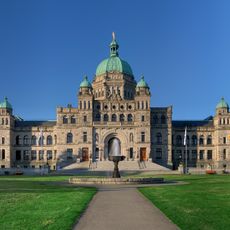
The island received its current name in 1792 when British Captain George Vancouver and Spanish Commander Juan Francisco de la Bodega y Quadra negotiated territorial claims. British colonization followed from the 1840s onward, reshaping the landscape and the lives of Indigenous communities profoundly.
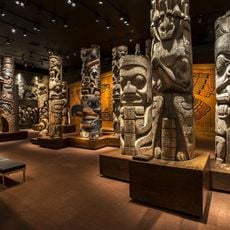
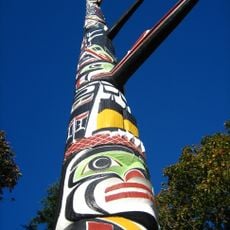
Indigenous communities of Coast Salish, Nuu-chah-nulth, and Kwakwaka'wakw maintain their traditional practices through art, ceremonies, and resource management across the island. Visitors can observe totem poles, carvings, and cultural centers where local communities continue to share their history and connection to the sea and forest.
Visitors reach the island through ferry services from Vancouver and Washington State, or by flying into Victoria, Nanaimo, and Comox. The terrain varies widely, so sturdy footwear and layers are recommended, especially when exploring trails inland or along the coast.
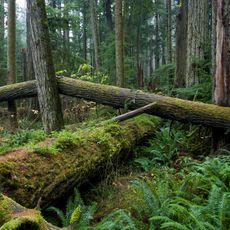
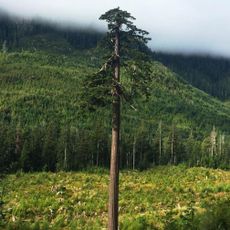
The island holds Cathedral Grove, where Douglas fir trees reach 76 meters in height and measure 9 meters in circumference. These ancient giants have stood for centuries, offering a sense of the scale and age of Pacific coastal forests.
The community of curious travelers
AroundUs brings together thousands of curated places, local tips, and hidden gems, enriched daily by 60,000 contributors worldwide.