Frye Art Museum, Art museum in First Hill, Seattle, United States.
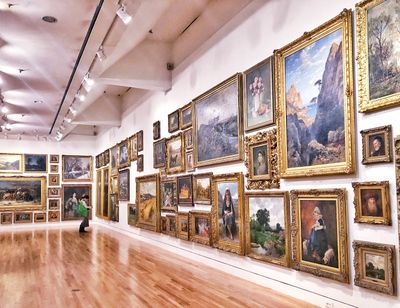
The Frye Art Museum is an art institution in First Hill that displays European and American paintings from the 19th and 20th centuries alongside contemporary works and installations. The exhibition spaces rotate regularly between pieces from the permanent collection and new shows that explore different artistic approaches and subjects.
Charles H. Frye (1858–1940), a Seattle meatpacking plant owner, and his wife Emma (d. 1934) left money and 232 paintings for a museum. The Seattle Art Museum declined the bequest because the will required permanent display, natural light, no abstract works and free admission. After the couple died and their home was sold in 1941, Walser Greathouse had the paintings stored at the Airport Way plant, where they survived the February 18, 1943 fire that followed the crash of a B-29 prototype. Architect Paul Thiry designed the building, which opened free to the public in 1952; Greathouse directed it until 1966, then his widow Ida Kay until 1993. Rick Sundberg's mid-1990s renovation added a 142-seat auditorium and an education studio.
Charles and Emma Frye, first-generation Americans of German descent, bought much of the collection directly from studios in Munich, and their taste ran to "the dark, the dramatic, and the psychological" rather than the genteel. Charles's will requires the works to hang permanently, in natural light, never with abstract pieces, and free to all. The library holds over 2,000 books on 19th- and 20th-century American and German art.
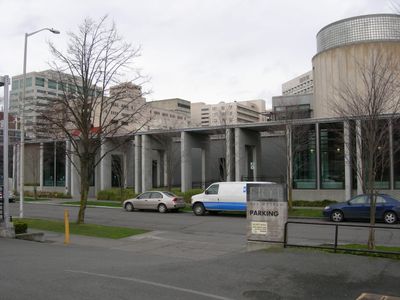
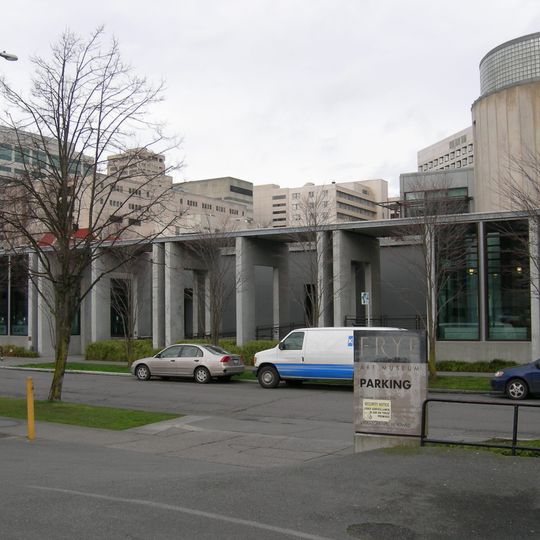
The museum stands in First Hill, a block from the Fryes' former home, and admission has stayed free since 1952 as Charles Frye's will required. A 142-seat auditorium and an education studio were added in the mid-1990s renovation by Rick Sundberg. The grey signpost at the entrance reads "FRYE ART MUSEUM" and "PARKING", with a notice that cars left after 3 AM are towed.
The 232 paintings survived a fire at Charles Frye's Airport Way meatpacking plant on February 18, 1943, caused by the crash of a prototype B-29 bomber, then a top-secret project. The will also barred abstract works and required natural light and free admission, which is why the Seattle Art Museum declined the collection.
The community of curious travelers
AroundUs brings together thousands of curated places, local tips, and hidden gems, enriched daily by 93,782 contributors worldwide.