Coronado State Monument, Archaeological site in Bernalillo, New Mexico
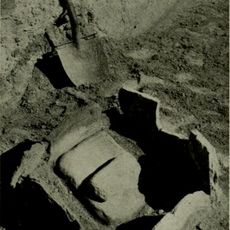
Coronado State Monument preserves the Tiwa pueblo of Kuaua, settled around 1325 and excavated between 1934 and 1939 by a team led by Edgar Lee Hewett and Marjorie F. Tichy. The excavation uncovered six kivas in round, square and rectangular shapes, and a square kiva in the south plaza yielded pre-1541 murals. A reconstructed ceremonial kiva stands on the grounds, and the visitor center, designed by John Gaw Meem, displays fourteen restored murals.
Kuaua Pueblo was settled around 1325 and abandoned toward the end of the 16th century, almost certainly because of Coronado's expedition and the aftermath of the Tiguex War of February 1541. The site was dedicated on May 29, 1940, as the first New Mexico state archaeological site opened to the public, part of the Cuarto Centenario marking Coronado's 1540–1542 entry into New Mexico.
The reconstructed painted kiva shows artworks created before Spanish arrival, displaying how the Tiwa people expressed their stories and beliefs through images on the walls. Visitors walking through the chamber can observe the artistic choices and designs that held meaning for the community.
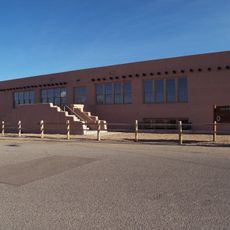
The visitor center, designed by Southwest architect John Gaw Meem, displays fourteen restored kiva murals along with Pueblo and Spanish Colonial artifacts. An interpretive trail winds through the ruins and along the west bank of the Rio Grande. The site lies on U.S. Route 550, one mile west of Bernalillo and 16 miles north of Albuquerque.
The excavated kivas reveal different floor plans - round, square, and rectangular - reflecting how construction styles changed over generations. These varying shapes show that people adapted their building practices as their community evolved.
The community of curious travelers
AroundUs brings together thousands of curated places, local tips, and hidden gems, enriched daily by 93,178 contributors worldwide.