BYU Museum of Paleontology, Paleontology museum at Brigham Young University in Provo, United States.
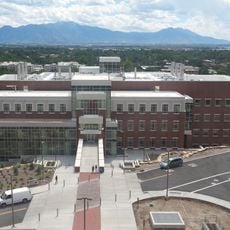
The BYU Museum of Paleontology is a paleontology museum on the campus of Brigham Young University in Provo, Utah. It grew out of the collection of James A. Jensen and was long known as the BYU Earth Science Museum, with most of its fossils stored under the LaVell Edwards Stadium. A 5,000-square-foot addition opened in October 2009, and the museum now displays most of its dinosaur bones and other fossils.
The museum was founded in 1976 by James A. Jensen, a field researcher known for leading digs across the American West. The collection was first stored under the football stadium before moving to a dedicated building in 2009.
The museum is named after Brigham Young University and grew from the collection of James A. Jensen, a field researcher known for leading digs across the American West. Its main purpose is to facilitate research, but it is open to the public. Rodney Scheetz, one of Jensen's students, directs the museum.
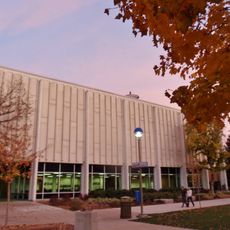
The museum is located near the football stadium on campus and is easy to reach on foot from most parts of the university grounds. It is worth checking opening hours before your visit, as they can vary depending on the academic calendar.
Some of the dinosaur bones on display here are among the largest ever found, recovered from sites in Utah and Colorado. Certain specimens are so large that they cannot be fully assembled and are shown in sections instead.
The community of curious travelers
AroundUs brings together thousands of curated places, local tips, and hidden gems, enriched daily by 94,418 contributors worldwide.