Vail Pass, Mountain pass in Colorado, United States
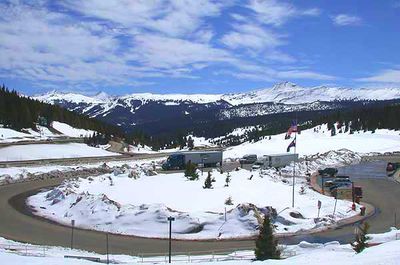
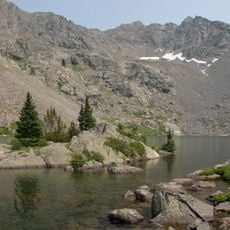
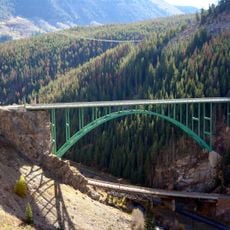
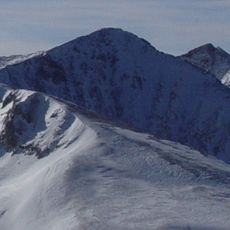
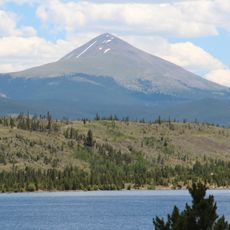
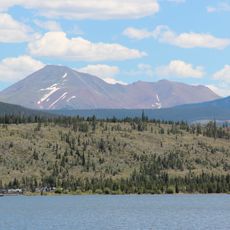
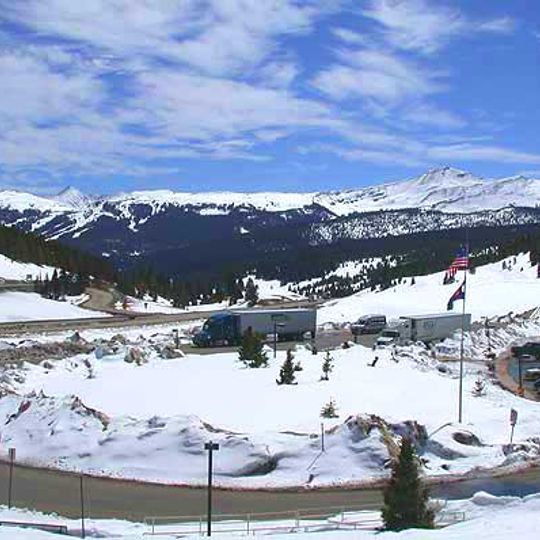
Vail Pass is a mountain passage through Colorado's Rocky Mountains where Interstate 70 crosses at an elevation of about 3,250 meters between the Eagle River and Blue River basins. The route travels through steep terrain and serves year-round as a vital transportation corridor for through-traffic and access to the surrounding mountain regions.
The pass was developed in the 1940s as part of Colorado's road expansion effort, following the work of Charles Vail, who directed the state's highway department. Its completion represented a major milestone in connecting the mountain regions through a modern transportation route.
The pass links two distinct valley regions and serves as a daily route for residents and visitors between mountain communities. People use it regularly to commute between towns or to reach the higher ski areas in the surrounding region.
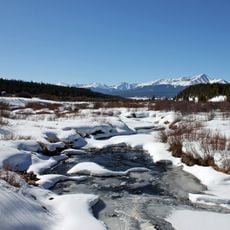
During winter, vehicles climb steep grades of 7 percent, and the westbound side has two emergency truck ramps for runaway vehicles. Visitors should expect changing weather conditions and drive slowly, especially when roads are snowy or icy.
The pass is home to Colorado's only fully paved bicycle path, stretching 14 kilometers and ascending about 558 meters in elevation. This specialized bike route offers cyclists an alternative to the heavily trafficked interstate highway.
The community of curious travelers
AroundUs brings together thousands of curated places, local tips, and hidden gems, enriched daily by 92,642 contributors worldwide.