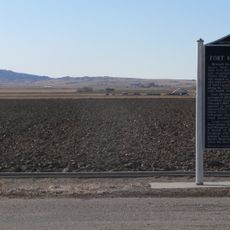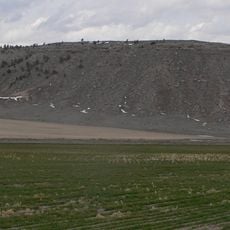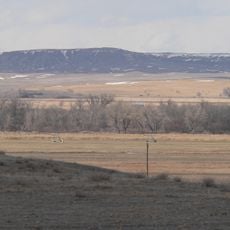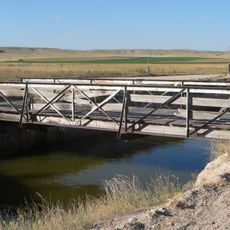
Signal Butte, Archaeological site in Scotts Bluff County, US.
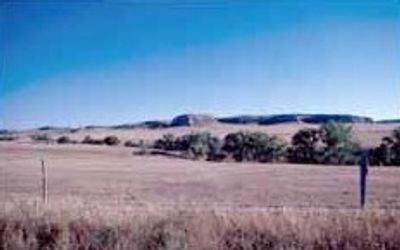
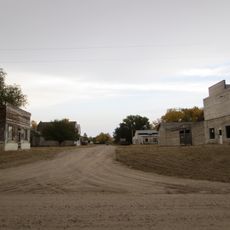
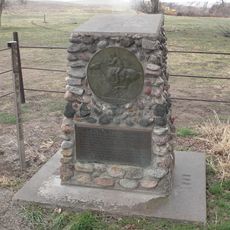
Signal Butte is an archaeological site in western Nebraska containing three distinct layers of prehistoric materials from different time periods. The deposits hold artifacts buried under gravel and soil, representing thousands of years of occupation and settlement patterns.
The site gained national attention in 1931 when Thomas L. Green discovered ancient tools, prompting systematic archaeological work. William Duncan Strong conducted major excavations in 1931 and 1932 that transformed understanding of early cultures on the central plains.
The layered deposits reveal 5,000 years of Native American habitation through stone tools, bone implements, pottery sherds, and storage features that show how people lived across different periods.
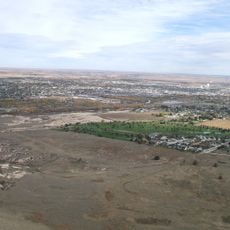
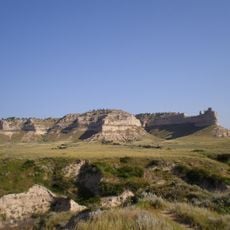
The site sits on private property and is not freely accessible to visitors. Designated viewpoints near Gering offer the best spots to observe the location from established routes.
The location was among the first pre-contact Native American sites in the central plains to undergo scientific study and holds the Smithsonian catalog number 25SF1. This early recognition made it a milestone in regional archaeological work.
The community of curious travelers
AroundUs brings together thousands of curated places, local tips, and hidden gems, enriched daily by 91,875 contributors worldwide.